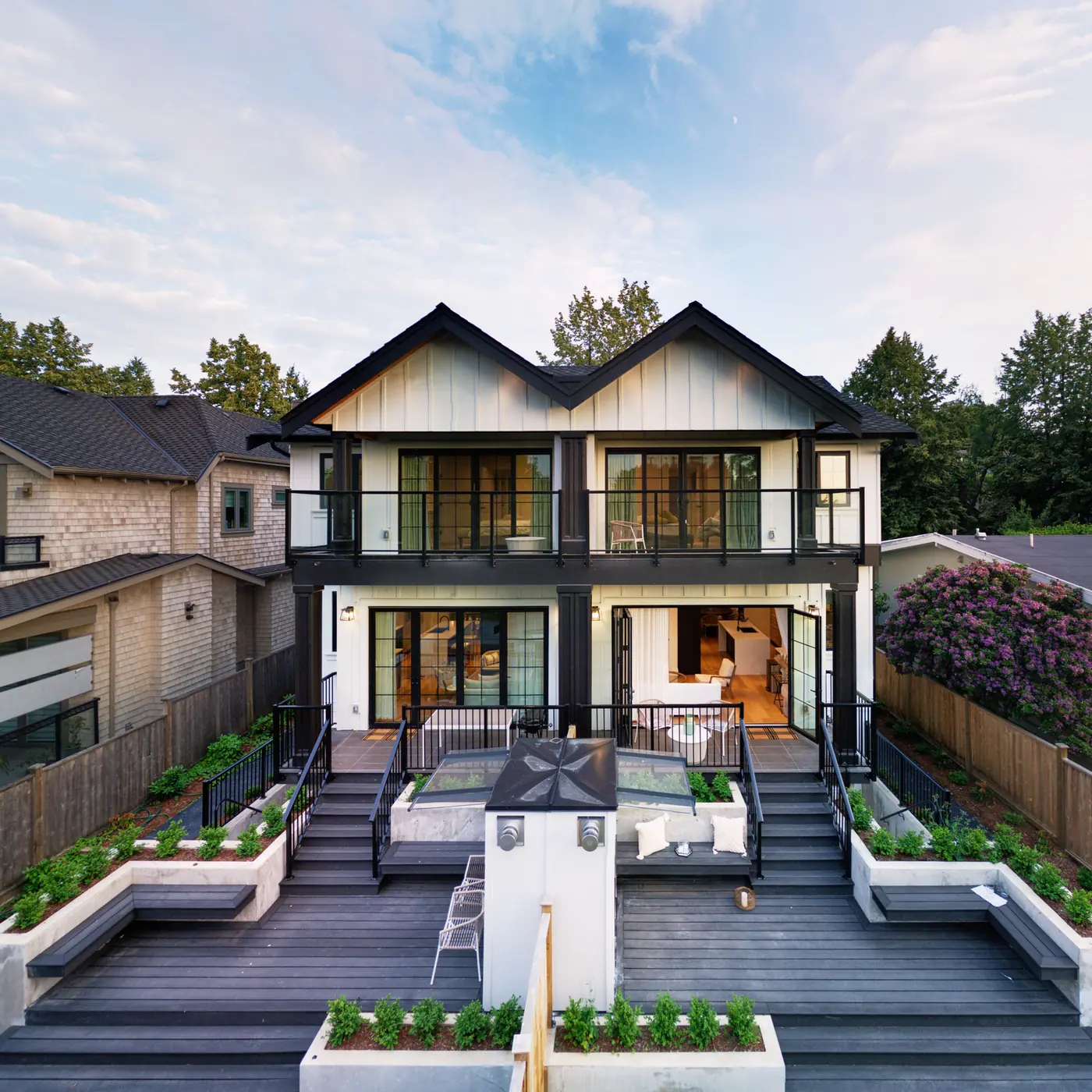
Some families want to live close to each other: grandparents on the ground floor, a young family above. Sometimes the grandparents still live in another country and plan to join their children here. For those families, BC's 20% foreign buyer tax decides whether the grandparents can own a share of the home they will live in. This post explains the tax, what Ottawa proposed on November 5, 2026, and why we think the province should waive the 20% on brand new homes that families buy to live in.
This is our opinion, and we say so. The rules below are the published rules as of November 9, 2026. They are general information. Your lawyer gives the advice for your own family.
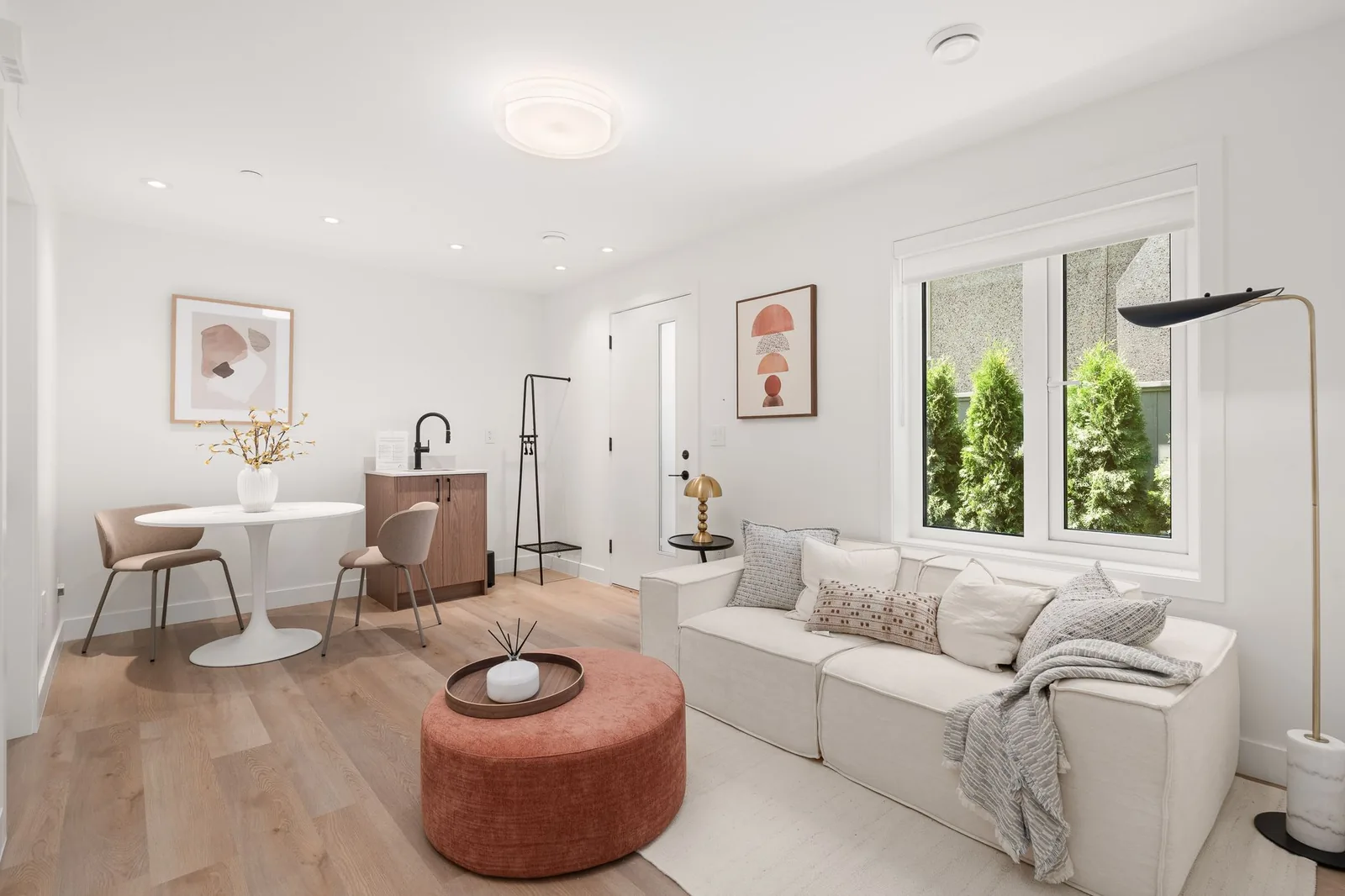
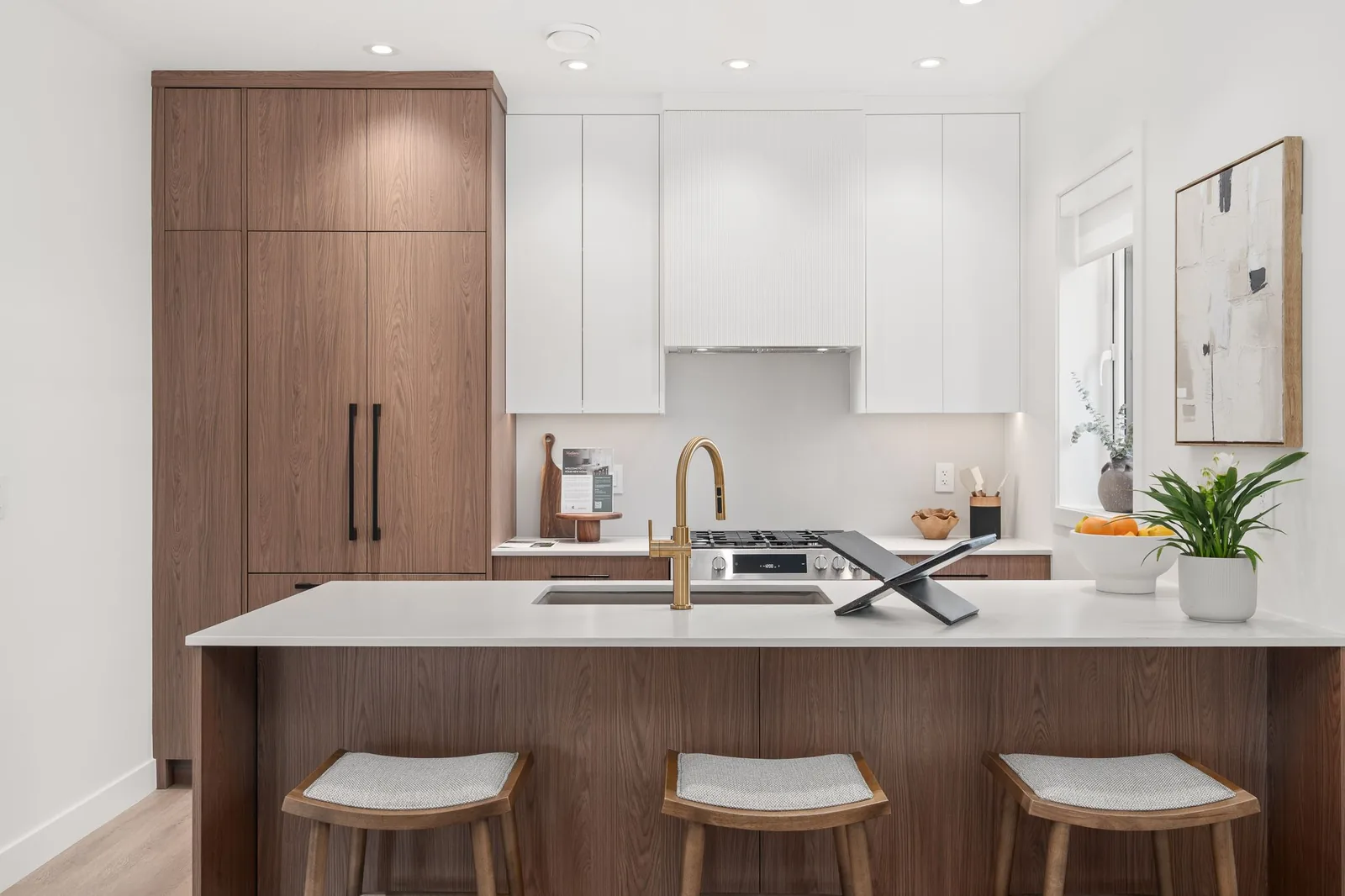
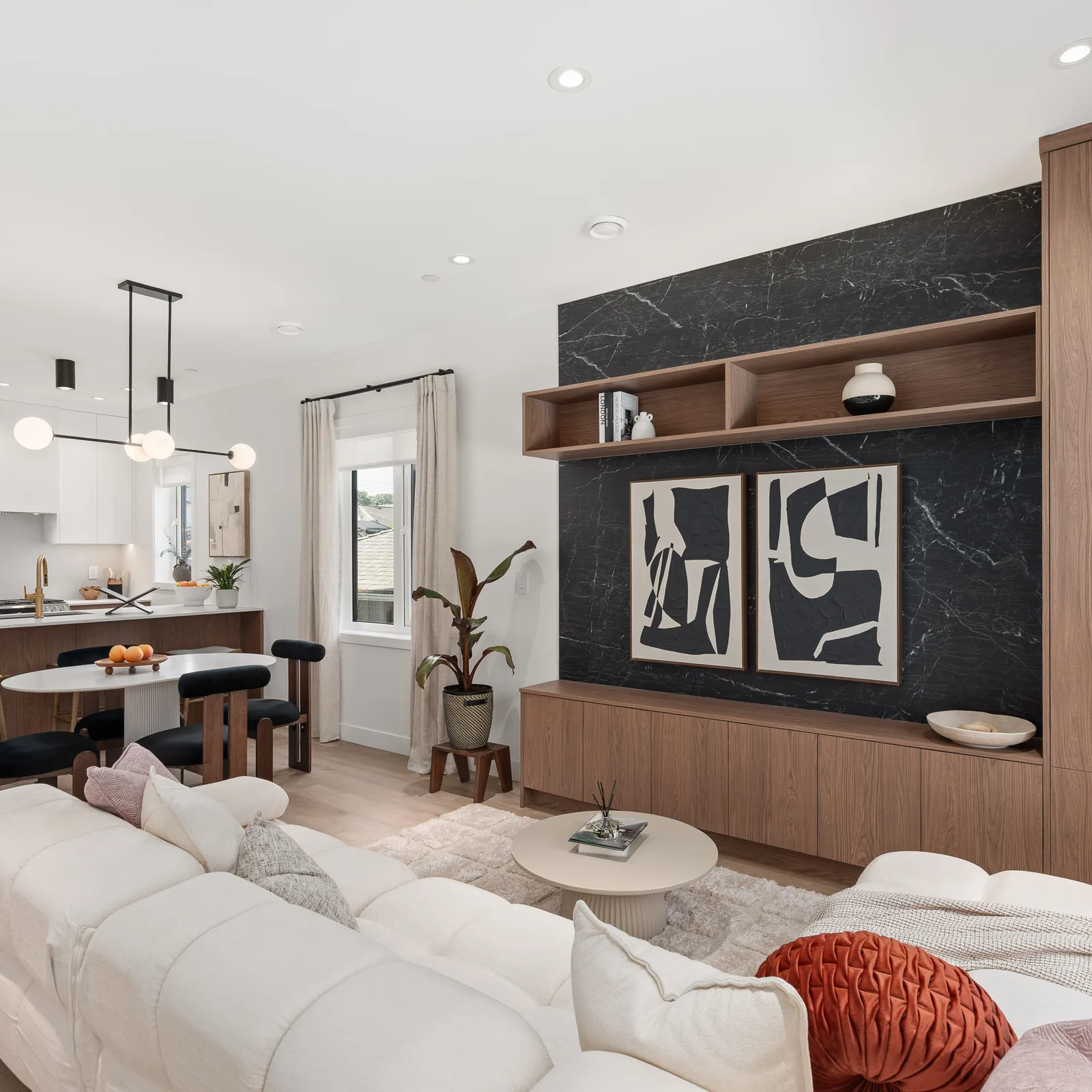
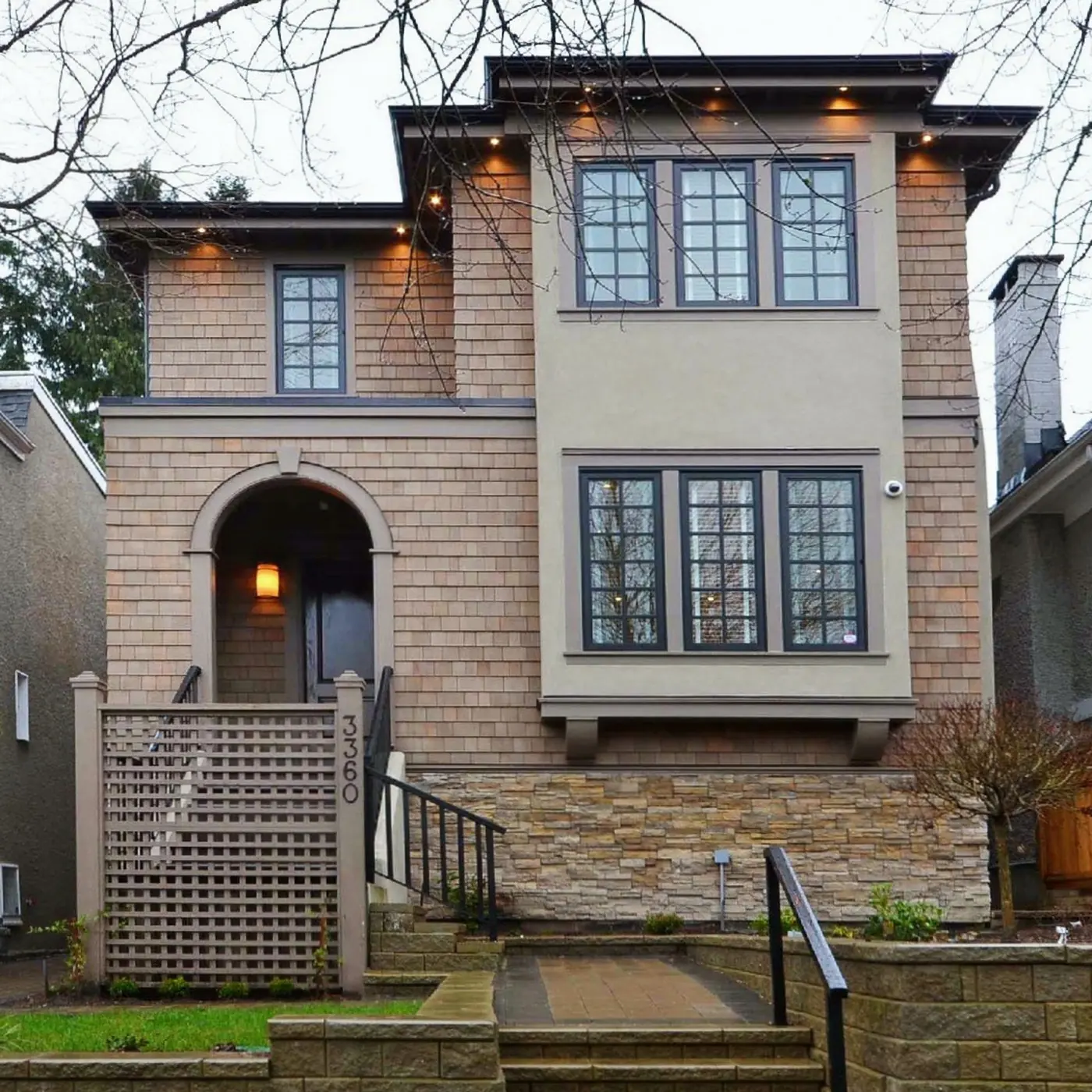
Picture a new multiplex in East Vancouver. A multiplex is one building with several homes on one lot, each with its own entrance. In our example, the ground floor home has no stairs inside, so it suits grandparents who want to avoid climbing. Their daughter, her husband and their two small children live on the floors above. The grandchildren can walk downstairs for dinner. The grandparents can help with school pick-up.
Now say the grandparents are not yet citizens or permanent residents. They want to sell their home overseas, move here and help pay for the ground floor home. Under BC's rules today, the share they hold on title carries a 20% tax. That one rule changes how the family plans the purchase.
The tax is called the additional property transfer tax. A foreign national, foreign company or taxable trustee pays 20% of the fair market value of their share of a home, according to the Province of British Columbia. It applies in five regional districts: Metro Vancouver, which includes Vancouver, plus the Fraser Valley, the Capital Regional District, Central Okanagan and Nanaimo. It is paid on top of the regular property transfer tax that every buyer pays.
The tax is charged on the share registered on title. The province gives its own example: a buyer who registers a 70% interest pays the tax on 70% of the home's fair market value.
Here is what that means for our family, using a $1,200,000 home as the example. The price is an illustration only, not the price of any home we have built.
- If the grandparents hold the whole home, the 20% tax is $240,000.
- If they hold half and their daughter holds half, the tax is 20% of $600,000, which is $120,000.
- If they hold a quarter, the tax is 20% of $300,000, which is $60,000.
- If they hold no share and give part of the down payment as a gift, the 20% tax does not apply.
Faced with those numbers, a family may well choose the last option. That leaves the grandparents with no legal share of the home they helped pay for and plan to live in.
Since January 1, 2023, a federal law has stopped most people who are not Canadian citizens or permanent residents from buying a home in Canada. Budget 2026, released on November 5, 2026, proposes to keep that ban on existing homes for two more years, to January 1, 2029, and to exempt new homes from it.
The budget gives the reason on page 203 of the Budget 2026 document: the exemption would help by "unlocking additional investment in new housing supply." It is still a proposal. Parliament has to pass a bill, and the rules have not been written.
The same page says Ottawa will keep supporting measures "levied by other levels of government" that deal with speculation. We read that as Ottawa leaving BC's 20% tax alone. So even after the federal change becomes law, our family's grandparents would still pay 20% on their share of a new Vancouver home, unless the province changes its rule.
The province publishes how many home sales have a foreign buyer. In the Metro Vancouver Regional District, its 2025 and 2026 tables show the share is small. The latest table has the current count.
The province does not release how much of the 20% tax it collected in most months. It holds a figure back when a small number could point to one buyer. So we cannot say what a waiver on new homes would cost the province. Because so few sales involve a foreign buyer, we expect it would be a small amount.
Every new multiplex adds homes to a Vancouver street. Ottawa's own reason for the exemption is new housing supply. A family that buys a new home and moves into it is the buyer that reason describes. A 20% tax on that family works against it.
The province has two rules that point the same way:
- A confirmed BC Provincial Nominee who buys a home to live in pays no 20% tax, if they claim the exemption.
- A foreign national who becomes a permanent resident or citizen within one year of the transfer can apply for a refund, if they moved in within 92 days and lived there as their principal residence for a full year.
Both rules separate a person who lives in the home from a person who leaves it empty. We are asking the province to use the same idea for new homes.
When grandparents stay off title to avoid the tax, the family's plan rests on trust. If the family's plans change, the people who paid for the ground floor home have no legal say in it. A waiver for families would let everyone who pays for the home and lives in it hold a share of it.
We are asking for two things, in this order:
- Waive the 20% on a brand new home that nobody has lived in, when it is bought as a principal residence, from the day Ottawa's new-home exemption takes effect.
- At the least, waive it for families: a parent or grandparent who buys together with a child or grandchild who is a citizen or permanent resident and lives in the home.
We would keep the tax on resale homes and on homes bought to sit empty. We think a narrow rule is easier to pass and easier for a lawyer to apply.
Nothing has changed yet. The federal exemption is a proposal, and BC's 20% tax applies in full in Vancouver. Do not sign a purchase contract that only works if the law changes.
If everyone buying is a citizen or permanent resident, the 20% does not apply. If family abroad wants to help, the simple route today is a gift toward the down payment, with that person off title. Your lender will ask for a gift letter and papers that show where the money came from. A real estate lawyer can explain what each choice means for ownership and for the mortgage.
- What share should each family member hold on title, and what tax does each share carry?
- If a grandparent expects to become a permanent resident soon, could the refund rule fit our case? It needs a move-in within 92 days, a full year living there as the principal residence, and an application before 18 months from the transfer.
- How should a gift from family abroad be written down so our lender accepts it?
- What happens to each person's share if one household later wants to sell?
If you are planning a multiplex for your own family, start with who will live on each floor. A ground floor home with no stairs inside, a separate entrance for each household and room for a parent who may move here later are design choices we can talk through at the first meeting. Our multiplex construction page explains how we work.
If you agree with us, write to your MLA and to BC's Minister of Finance. Name the home your family wants to buy or build, and the family member who would share it. A real case gives them something specific to weigh.
Tell us about your project today. Book a one-hour project consultation.
Related on this site: Multiplex construction in Vancouver · Book a one-hour project consultation
General information only, not legal or tax advice. The new-home exemption is a federal proposal and is not law. Speak to a real estate lawyer before you sign a contract.