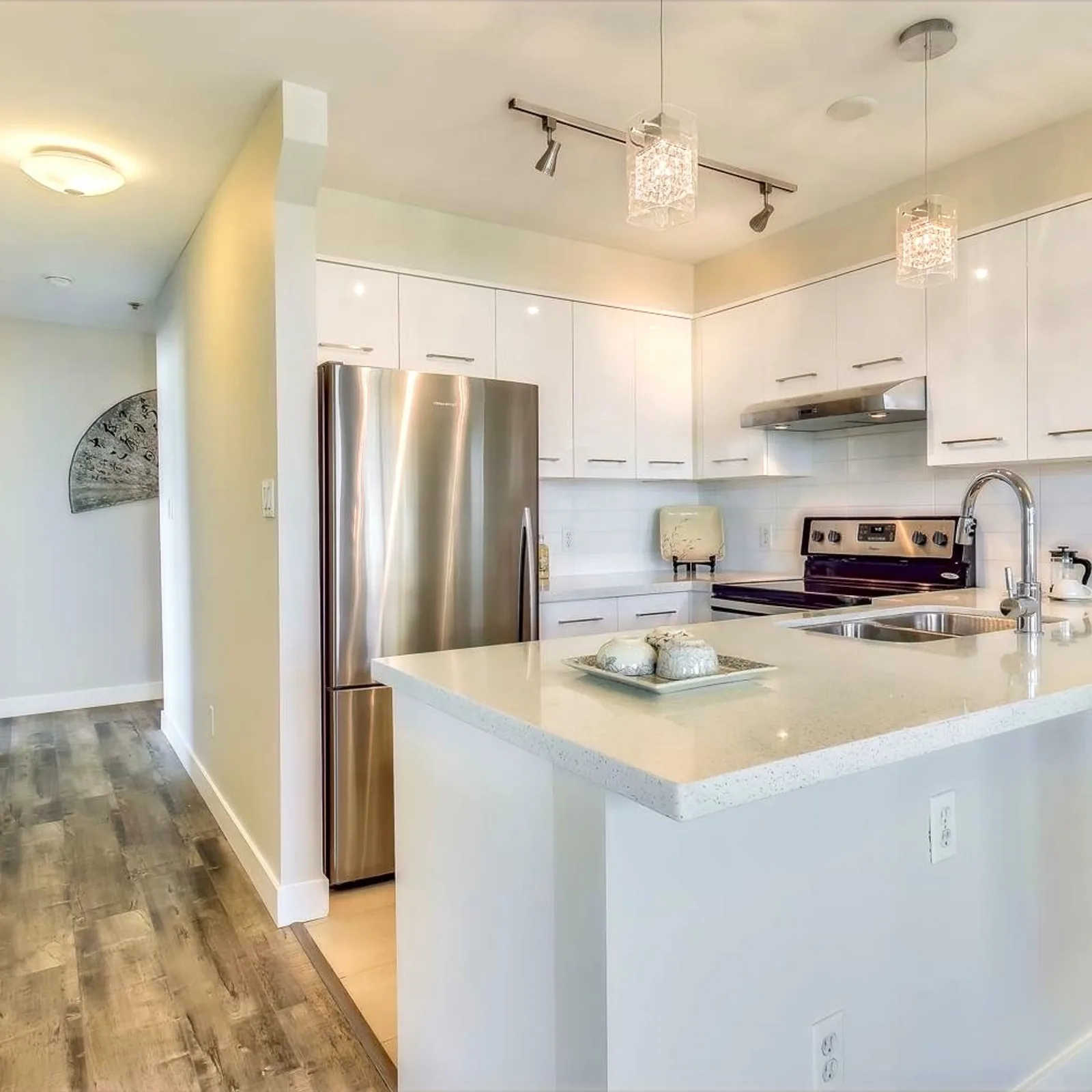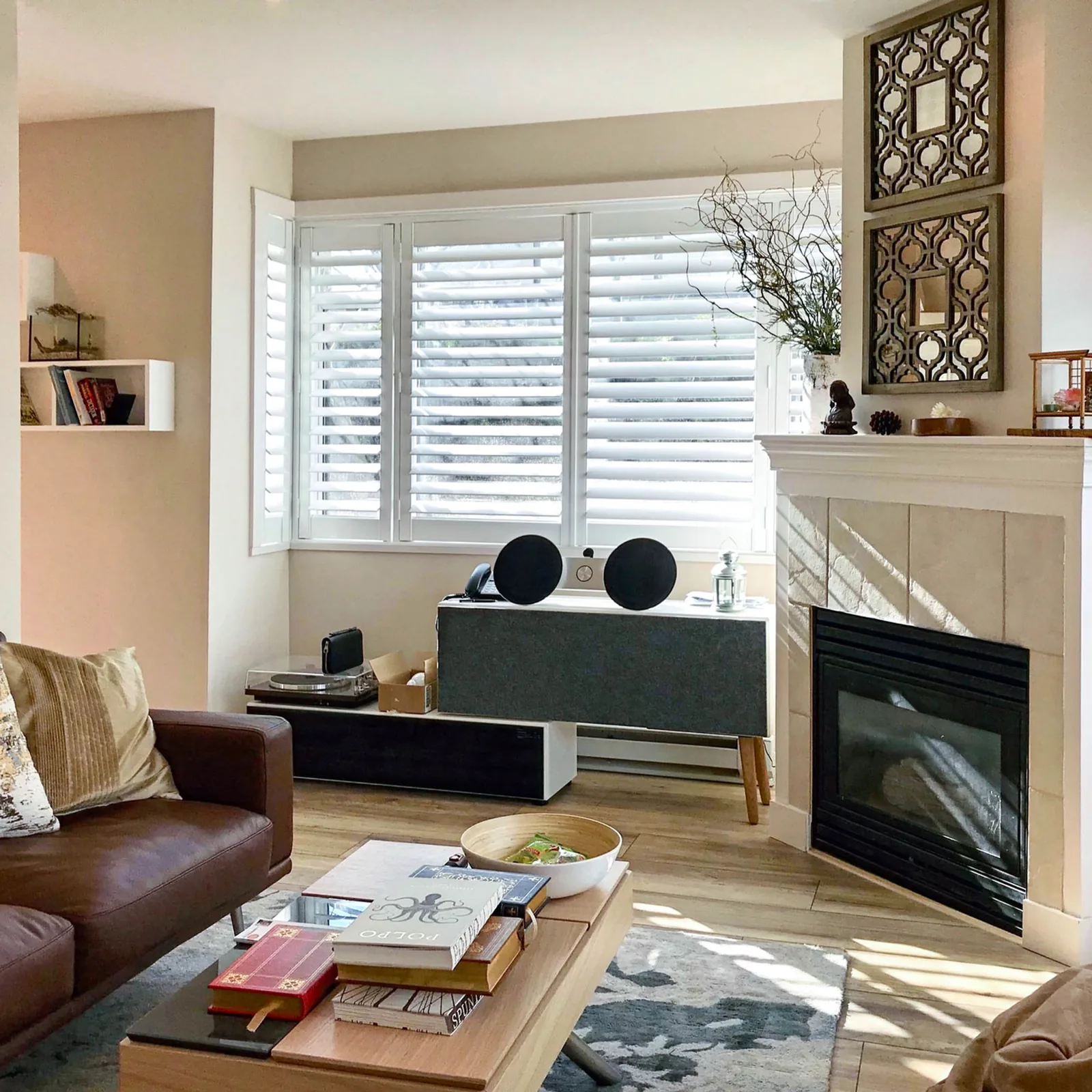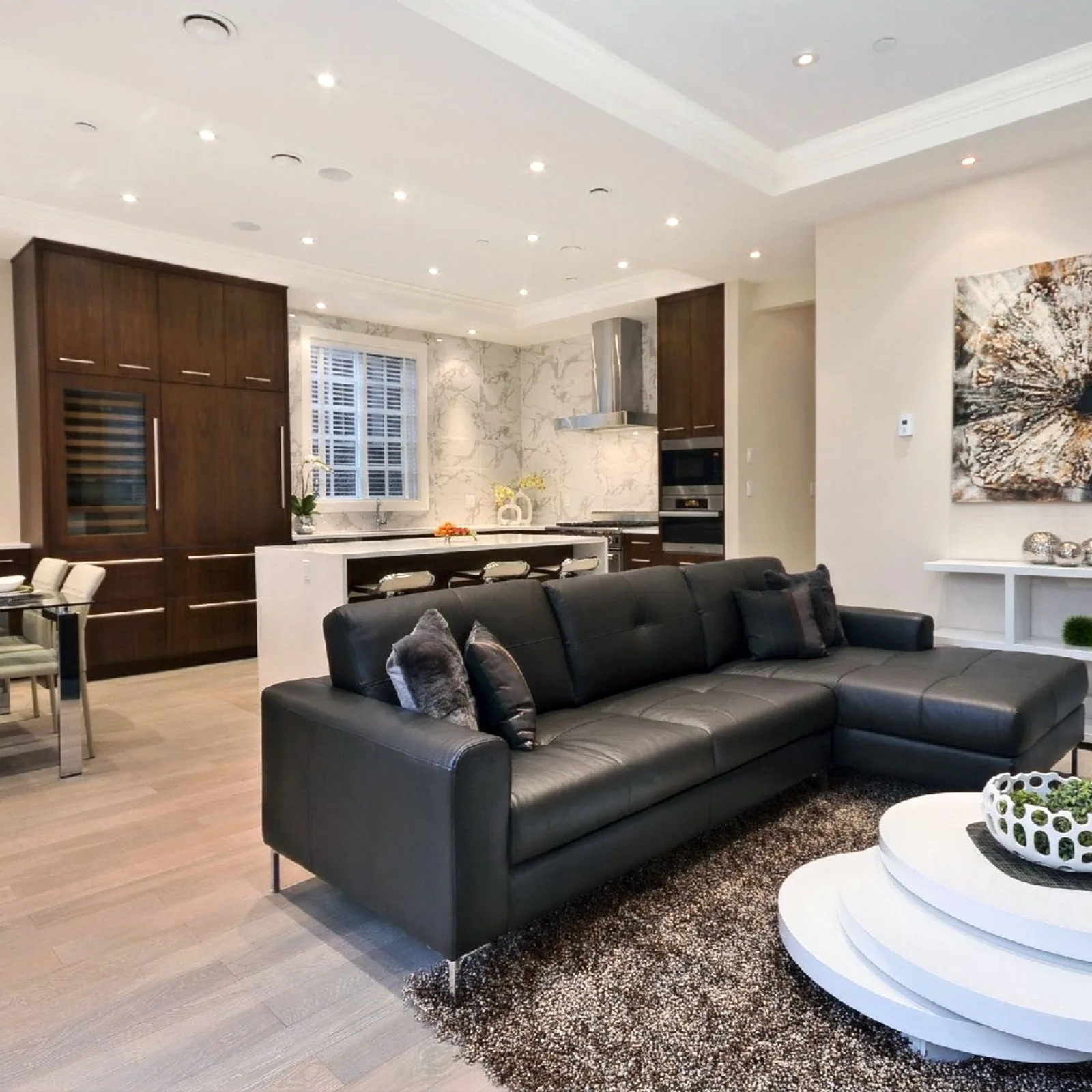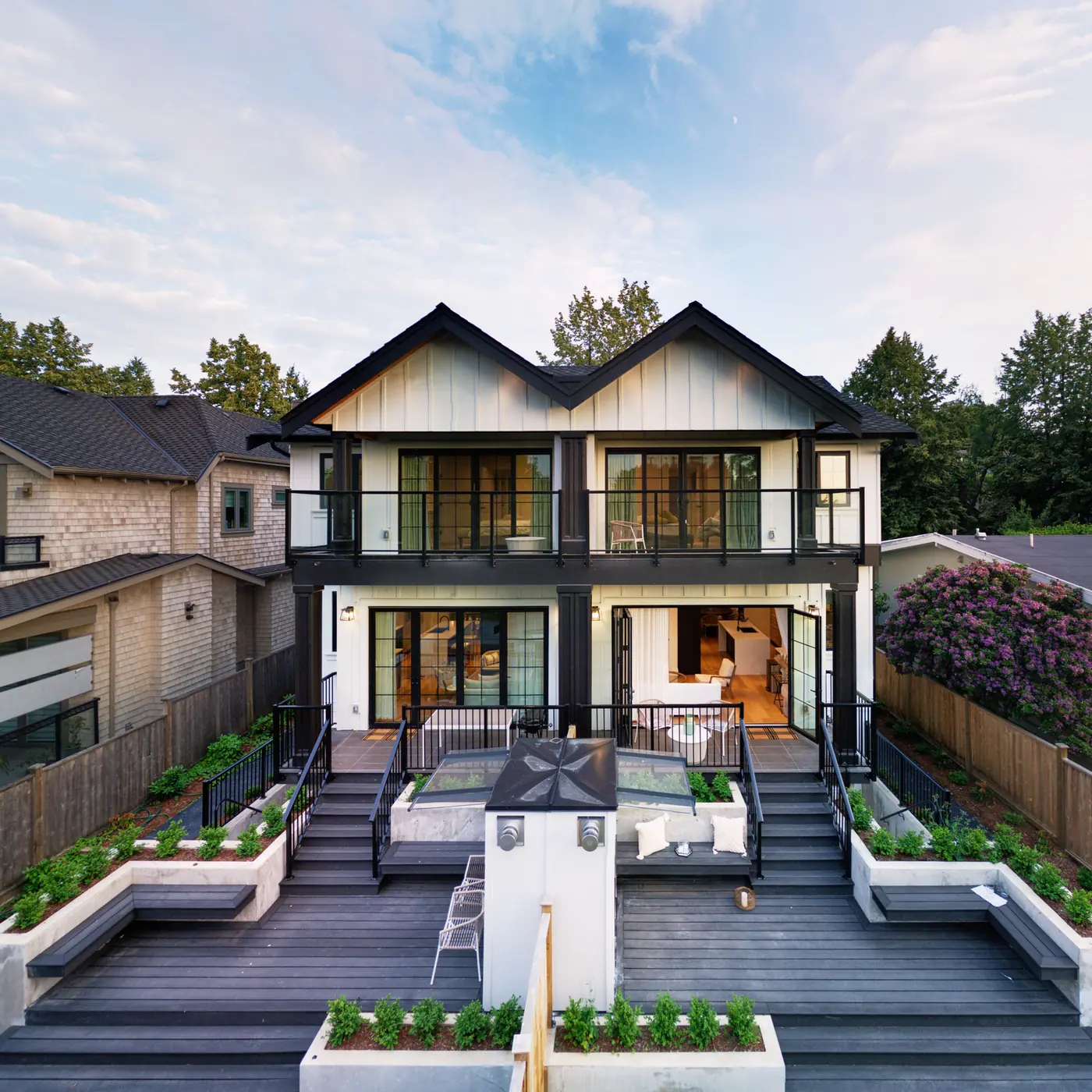

A custom home in Metro Vancouver is built around your needs and your style, and the first step is to understand what it costs. In this post, I walk you through the factors that change the price of custom construction in this region. I also explain the five steps of the building process and share practical tips for managing your budget.
Understanding the Custom Home Building Process in Metro Vancouver
The custom home building process has five steps. Here is an overview of each one:
-
Planning and Design
This is where your vision takes shape. You work with architects and designers to create plans that fit your lifestyle and the site conditions. The design phase sets much of the final cost, because choices about size, materials, and features are made here.
-
Permitting and Approvals
Metro Vancouver has specific building codes and zoning laws. Securing permits can take time and may add to your expenses. It’s important to factor in these regulatory costs early.
-
Site Preparation
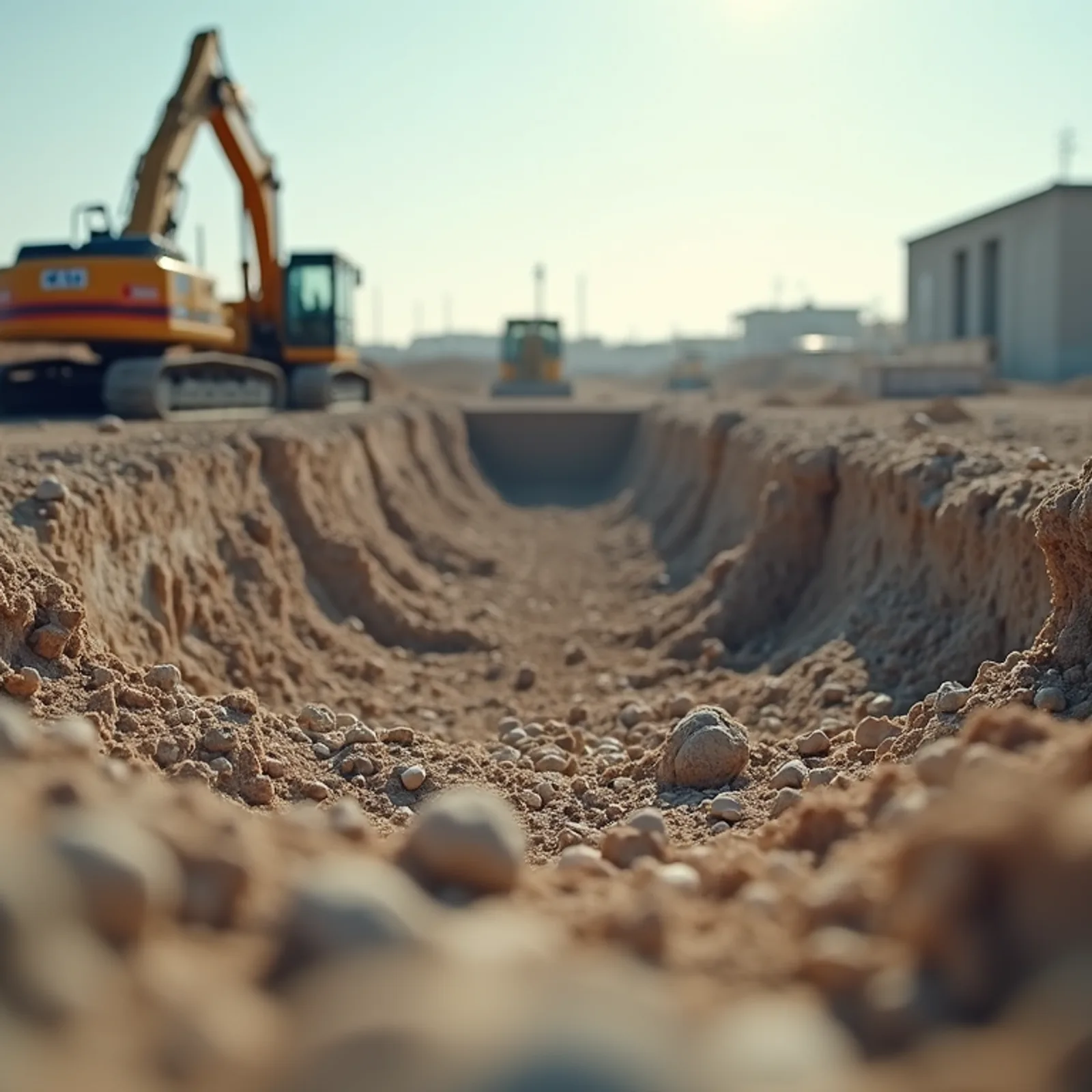
Preparing the land involves clearing, grading, and sometimes excavation. The condition of your lot affects this cost. For example, a sloped or rocky site will require more work than a flat, clear one.
-
Construction
This is the core phase where your home is built. Costs here include labor, materials, and equipment. Efficient project management can help keep this phase on schedule and within budget.
-
Finishing and Inspection
Final touches like painting, flooring, and landscaping happen now. Inspections ensure everything meets safety and quality standards before you move in.
Each step has its own cost considerations. Understanding these helps you plan better and avoid surprises.
Key Factors Influencing Custom Construction Costs
Several factors drive the overall cost of building a custom home in Metro Vancouver. Here are the most important ones to keep in mind:
Location and Land Costs
Land prices vary across Metro Vancouver. Urban areas like Vancouver and Burnaby tend to have higher land costs compared to suburban or rural locations. The price of your lot can sometimes exceed the construction costs themselves.
Size and Complexity of the Home
Larger homes naturally cost more to build. Complexity also matters. Unique architectural features, custom cabinetry, and high-end finishes add to the price. Simple, efficient designs are more budget-friendly.
Material Choices
The quality and type of materials you select change the cost. For example, hardwood floors and stone countertops are more expensive than laminate or tile. Sustainable and energy-efficient materials may have higher upfront costs but can save money long-term.
Labour Costs
Labour rates vary with the contractor’s experience and the project’s complexity. Skilled tradespeople produce quality work, so budget for them.
Site Conditions
As mentioned earlier, the condition of your building site affects costs. Difficult terrain, poor soil quality, or the need for extensive grading will increase expenses.
Custom Features and Upgrades
Adding features like smart home technology, custom lighting, or luxury appliances will raise your budget. Prioritize what matters most to you to keep costs manageable.
Managing Your Budget: Practical Tips for Custom Construction
Building a custom home is a significant investment. Here are some actionable recommendations to help you control costs without sacrificing quality:
-
Set a Realistic Budget Early
Start with a clear budget and stick to it. Include a contingency fund of 10-15% for unexpected expenses. BC Housing's guide to hiring a builder gives a wider range, 10 to 20 per cent of the total project budget. Both ranges start at 10 percent.
-
Work with Experienced Professionals
Choose a builder and design team that already know Metro Vancouver’s permit rules and trades. For example, Costar's custom home building service in Metro Vancouver works with the client from the first sketch through to handover.
-
Prioritize Your Needs and Wants
Make a list of must-haves versus nice-to-haves. Focus your budget on essential features first.
-
Choose Efficient Designs
Simple floor plans with efficient use of space reduce construction time and costs.
-
Consider Phased Construction
If budget constraints exist, plan to add certain features or rooms later.
-
Get Multiple Quotes
Compare bids from different contractors to find the best value.
-
Monitor Progress Closely
Regular site visits and communication with your builder help catch issues early.
By following these tips, you can build a beautiful custom home that fits your financial plan.
The Role of Construction Management in Cost Control
Construction management keeps a project on schedule and within budget. A skilled construction manager coordinates all aspects of the build, from scheduling subcontractors to ordering materials. This oversight reduces delays and cost overruns.
Good construction management also ensures quality control. It helps avoid costly mistakes and rework. Choose a builder with strong project management skills, because that person controls the schedule, the orders and the quality checks. Costar's five-stage building process describes how this management works on a Costar project, from the first meeting to the inspections after handover.
What to Expect in Terms of Cost Ranges
While every project is unique, here are the general cost guidelines Costar published for custom home construction in Metro Vancouver. Costar gives no outside source for them and they are not an independent industry benchmark. Construction costs also move over time, so confirm current pricing with a consultant before budgeting against them:
-
Basic Custom Homes: $250 to $350 per square foot
These homes have standard finishes and straightforward designs.
-
Mid-Range Custom Homes: $350 to $500 per square foot
Expect higher quality materials, some custom features, and more complex designs.
-
High-End Custom Homes: $500+ per square foot
Luxury finishes, advanced technology, and unique architectural elements drive costs up.
Keep in mind that land costs are separate and can vary widely. Also, permit fees, design fees, and landscaping are additional expenses to budget for.
Planning for the Future: Building a Home That Lasts
Quality construction today means fewer repairs and upgrades later. Durable materials and energy-efficient systems can reduce your long-term costs.
Think about your future needs as you plan. Flexibility in design allows your home to adapt as your lifestyle changes. Planning for those changes early costs less than renovating later.
Know the five steps, the six cost factors and the cost ranges above before you sign a contract. Set a budget with a 10 to 15 percent contingency, choose a simple plan, and compare more than one quote.
Related on this site: Custom home building in Metro Vancouver · Our five-stage building process · Book a one-hour project consultation