

Journal
The Multigenerational Home Renovation Tax Credit: What a Vancouver Laneway Home or Suite for a Parent Can Claim
Frequently asked questions
What is the multigenerational home renovation tax credit and does it apply in Vancouver?
The Multigenerational Home Renovation Tax Credit is a refundable federal credit that the Canada Revenue Agency (CRA) describes as covering renovation costs to create a self-contained secondary unit. The unit must let a senior, or an adult who is eligible for the disability tax credit, live with a qualifying relative. It applies in Vancouver and every other Canadian city, because it is claimed on the federal income tax return at line 45355.
How much can a Vancouver family claim for a laneway home built for a parent?
On the CRA's page for the 2025 tax year, the credit is 14.5% of qualifying costs, with costs capped at $50,000 for each qualifying renovation. The most a family can claim is $7,250 for one completed renovation. A family that spends $30,000 on qualifying costs claims $4,350, and a family that spends $70,000 still claims on $50,000. Check the CRA page for the tax year in which your renovation is completed.
Does a laneway home in Vancouver count as a secondary unit for the tax credit?
A Vancouver laneway home can count as a secondary unit if it has a private entrance, a kitchen, a bathroom and a sleeping area, and meets local requirements, permits, codes and by-laws. The CRA says the unit does not need to be part of the existing house, as long as it sits on the same land as the home. The CRA lists permits among the local requirements the unit must meet.
Who counts as a qualifying individual for a unit built on a Vancouver lot?
A qualifying individual is a person who is 65 or older at the end of the tax year of the renovation period, or an adult from 18 to 64 who is eligible for the disability tax credit. The unit must let that person live with a qualifying relation, who is 18 or older and is a parent, grandparent, child, grandchild, brother, sister, aunt, uncle, niece or nephew of the qualifying individual.
Can an unrelated caregiver live in the unit and still qualify for the credit?
No. The CRA's own example describes an adult with a disability who finished a basement into an apartment for a live-in caregiver who was not a relative. The CRA says that renovation cannot be claimed under this credit, because the unit must let the qualifying individual live with a qualifying relation. Both the qualifying individual and a qualifying relation must live in the renovated home.
Which costs does the CRA allow for a suite or laneway home built in Vancouver?
The CRA allows reasonable costs made after December 31, 2023 that are directly attributable to the qualifying renovation, including work by electricians, plumbers, carpenters and architects, permits, and equipment rentals. Costs that do not count include household appliances, electronic home-entertainment devices, routine maintenance, financing costs, costs without receipts, and costs that were reimbursed. If you do the work yourself, materials count but the value of your labour does not.
Can brothers and sisters share the cost of a unit for a parent and each claim the credit?
Yes, when each person who claims is an eligible individual and claims only the costs they paid. The CRA caps the combined claim at $50,000 of costs for one renovation, and the family agrees how to split it. A sibling who neither owns nor lives in the renovated home cannot claim. The CRA's example shows a brother who paid $10,000 but owned and lived in a separate house, so he could not claim that amount.
Which tax year do I claim the credit in for a laneway home built in Vancouver?
You claim it for the tax year in which the renovation period ends, even if the work took more than one year. The CRA says the period begins with the first qualifying cost, for example a building permit application, and ends when the renovation is completed, for example when it passes its final inspection. A final inspection passed in December goes on that year's return, and one passed in January goes on the next.
Can I claim the credit again if a relative already claimed it for the same parent?
No. The CRA allows only one claim for each qualifying individual during that person's lifetime. Its example describes a grandmother whose son claimed the credit on his 2025 return for a unit in his house. A grandson who renovated his own house for her in 2026 could not claim, because the credit had already been used for her. Families should decide which household claims before work starts.
What records do I keep to claim the credit for a Vancouver laneway home?
The CRA says your documents must identify the vendor or contractor with its business address and GST/HST number if any, describe the goods or work with dates and the address of the work, and show the amount of each invoice. Invoices must show payment in full, or come with proof of payment such as a credit card slip or a cancelled cheque. Costs without receipts do not count.
Sources
- Multigenerational home renovation tax credit (MHRTC), line 45355 (tax year 2025, page dated January 20, 2026) Canada Revenue Agency, October 17, 2026
- MHRTC: Who can claim (page dated January 20, 2026) Canada Revenue Agency, October 17, 2026
- MHRTC: Expenses you can claim (page dated January 20, 2026) Canada Revenue Agency, October 17, 2026
- MHRTC: How to claim (page dated January 20, 2026) Canada Revenue Agency, October 17, 2026
- Disability tax credit (DTC) Canada Revenue Agency, October 17, 2026
Keep reading
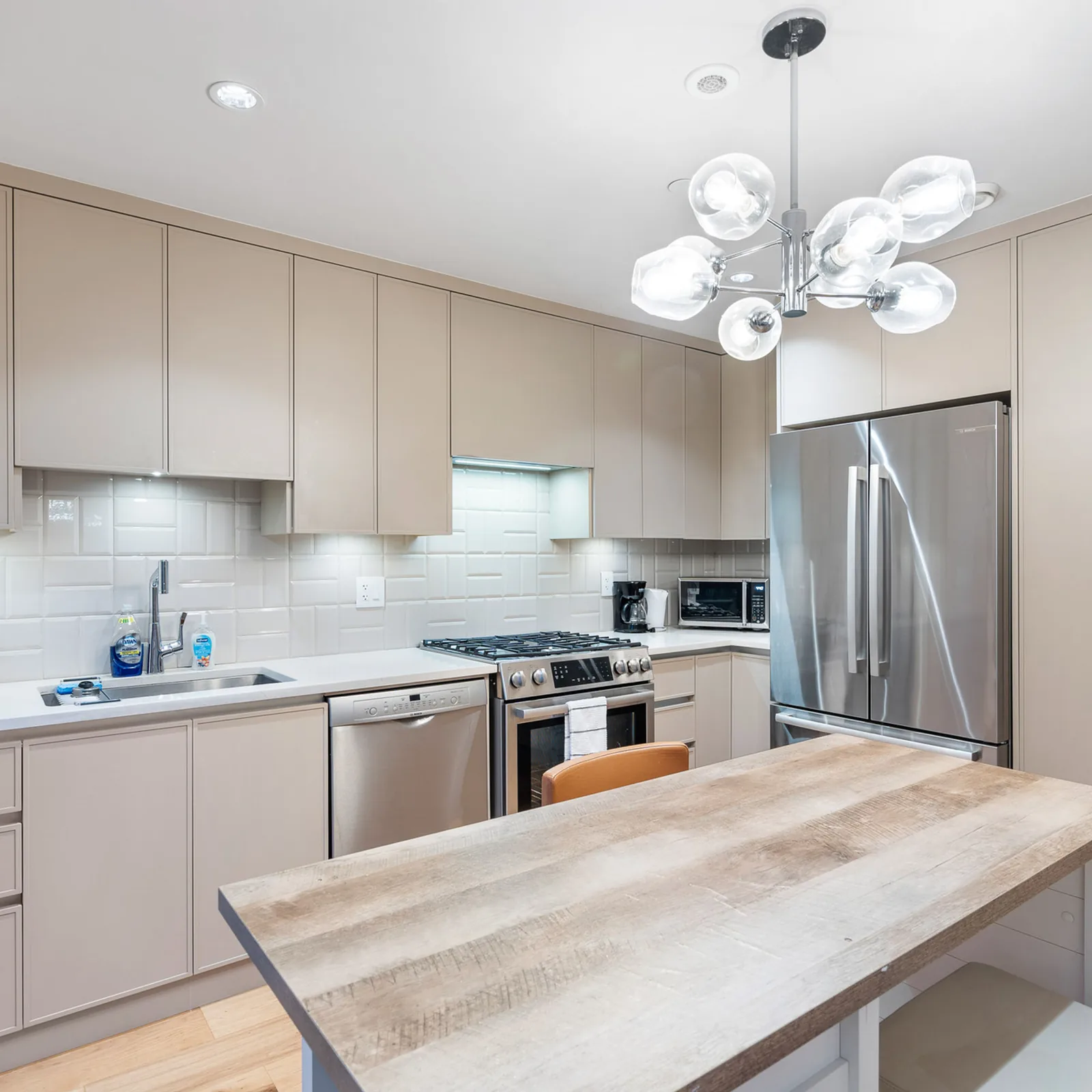
Designing a Vancouver Laneway Home for a Parent, a Grown Child or a Tenant
How a Vancouver laneway home design changes with the person who will live in it: layouts, accessibility, privacy and tenancy for aging parents, grown children and tenants.
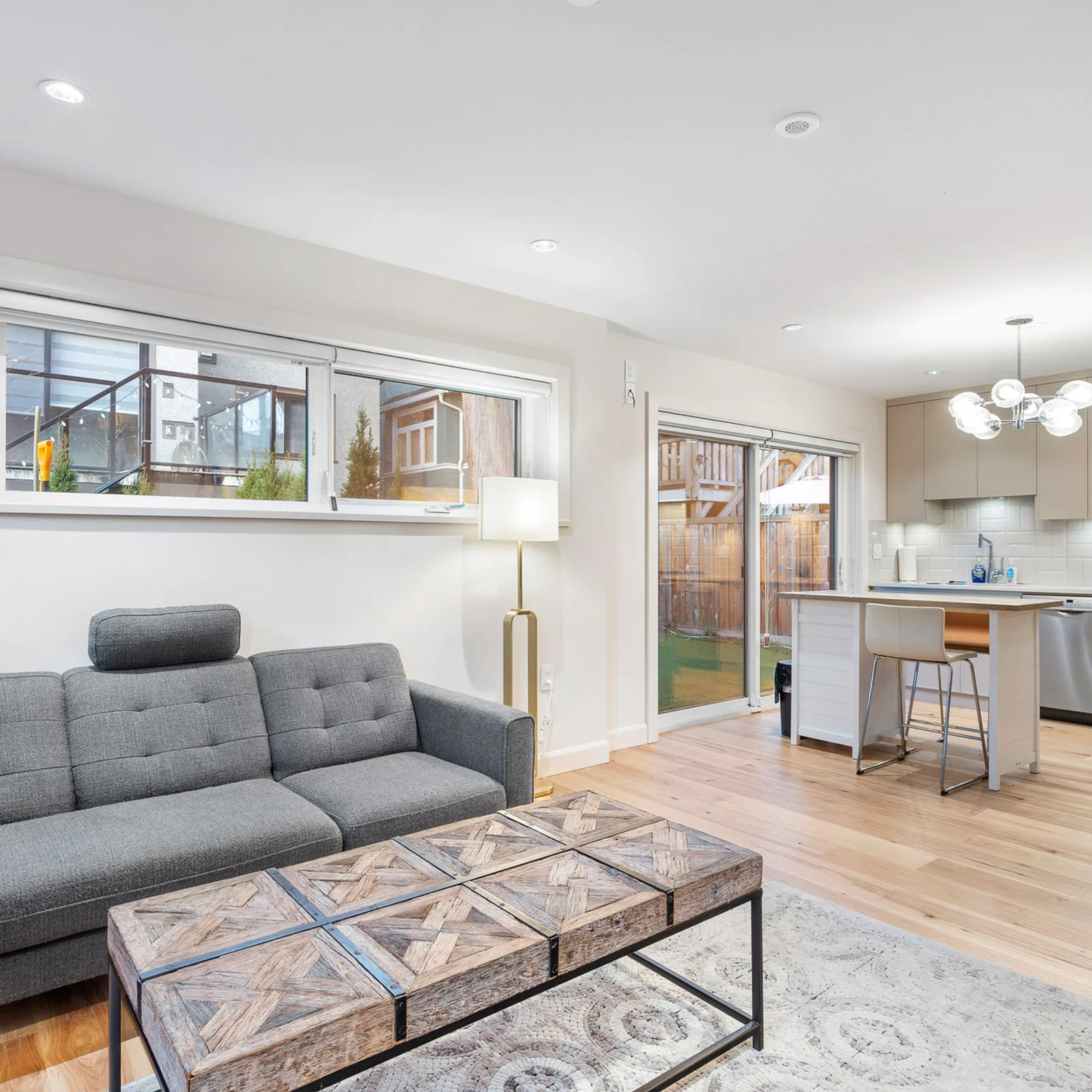
Laneway Homes in Vancouver: What the R1-1 Rules Allow Behind Your House
Vancouver's laneway home rules for R1-1 lots: floor area, height, distance from the house, lot width, lane access, parking, strata and trees.
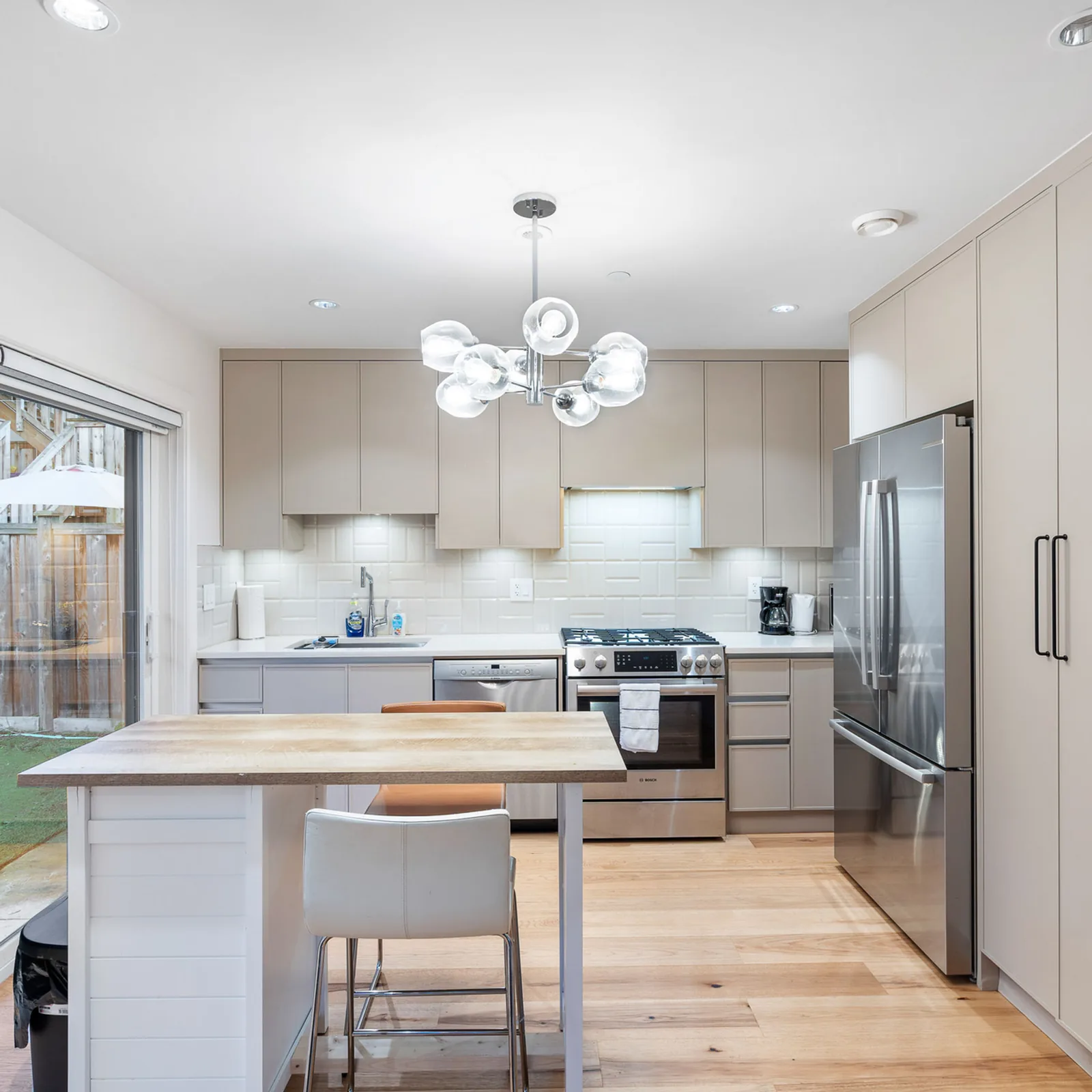
Servicing a Vancouver Laneway Home: Water, Sewer and the Shared Electrical Panel
How water, sewer, storm and electrical service reach a Vancouver laneway home from the main house, what the by-law says, and the design choices that keep the cost down.
Start the conversation