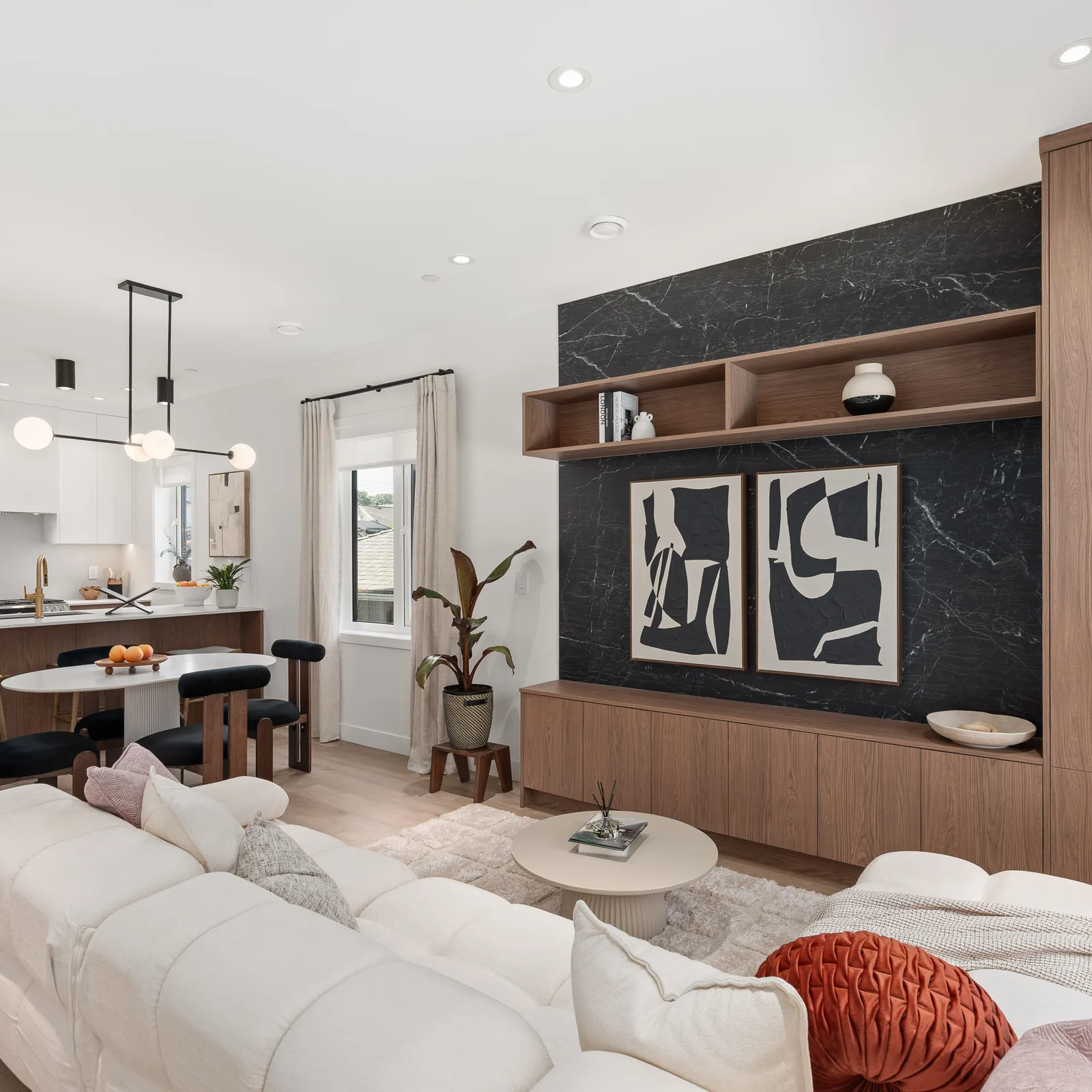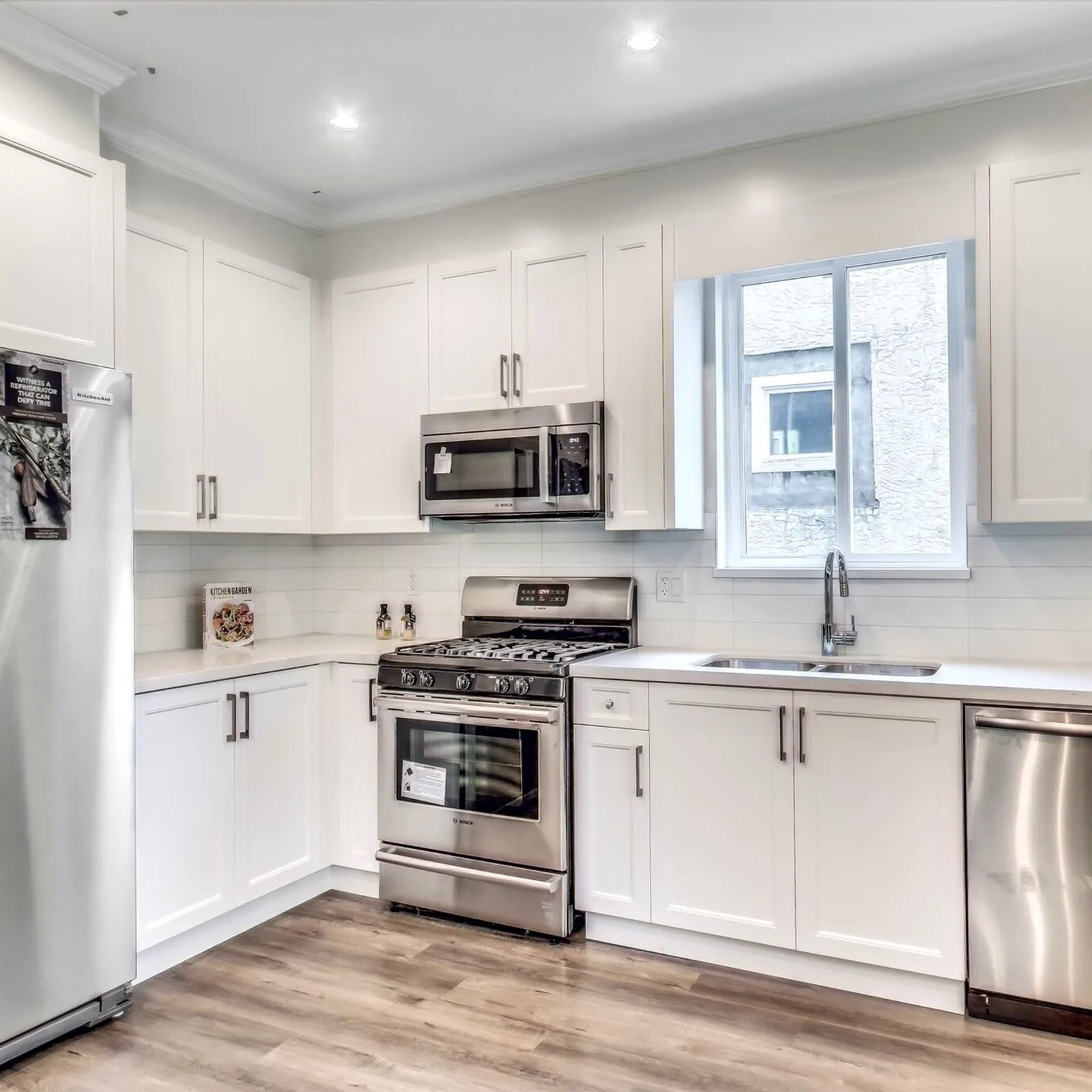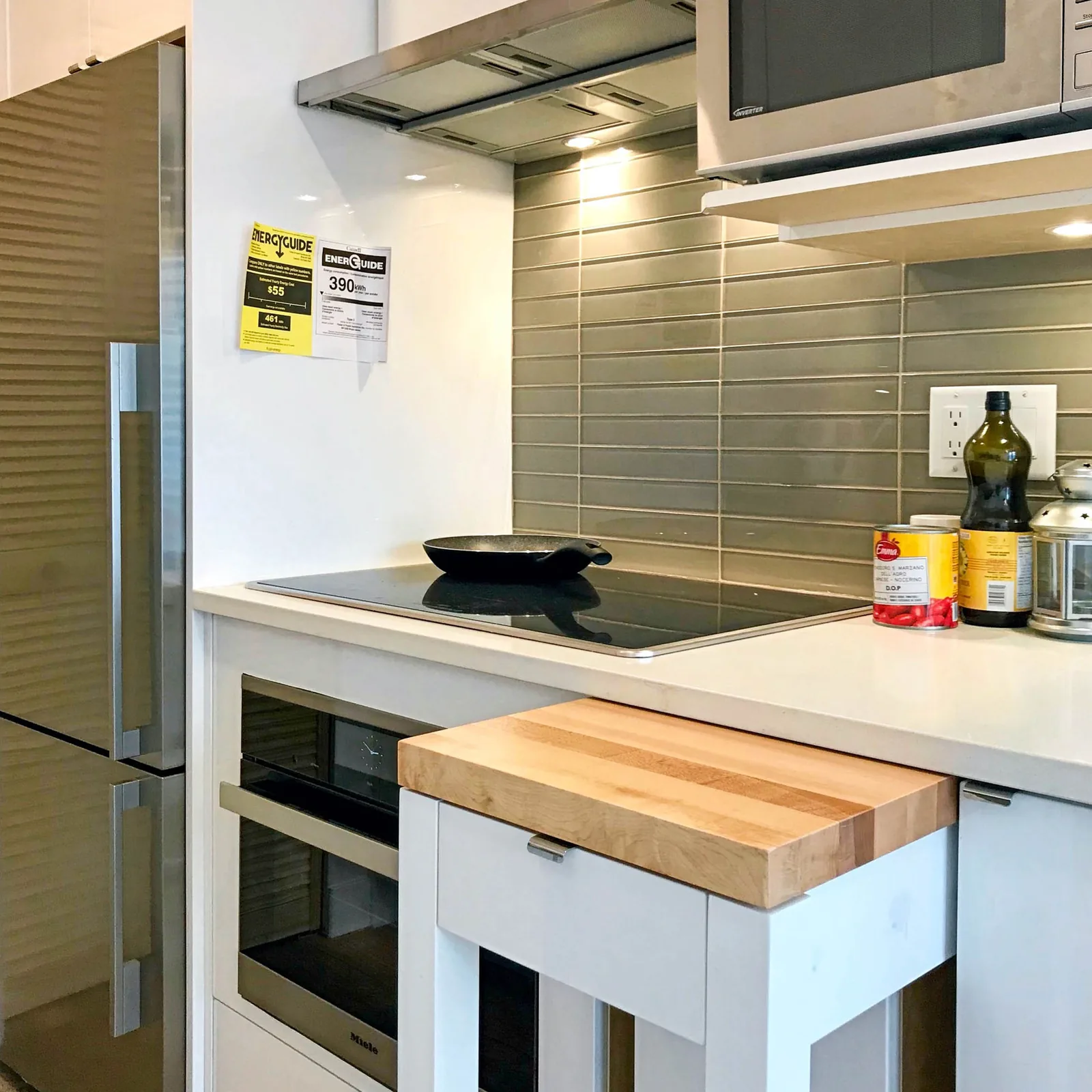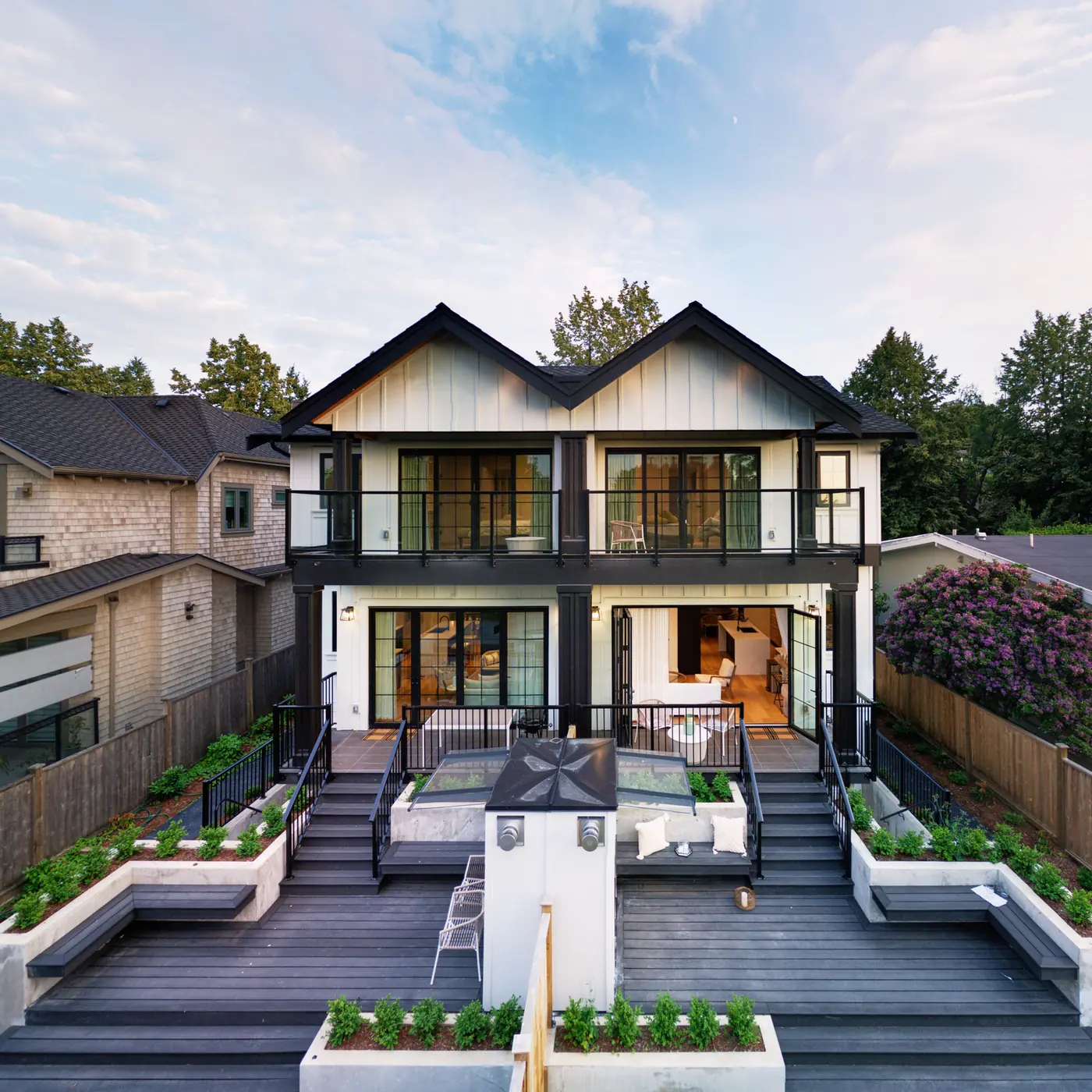

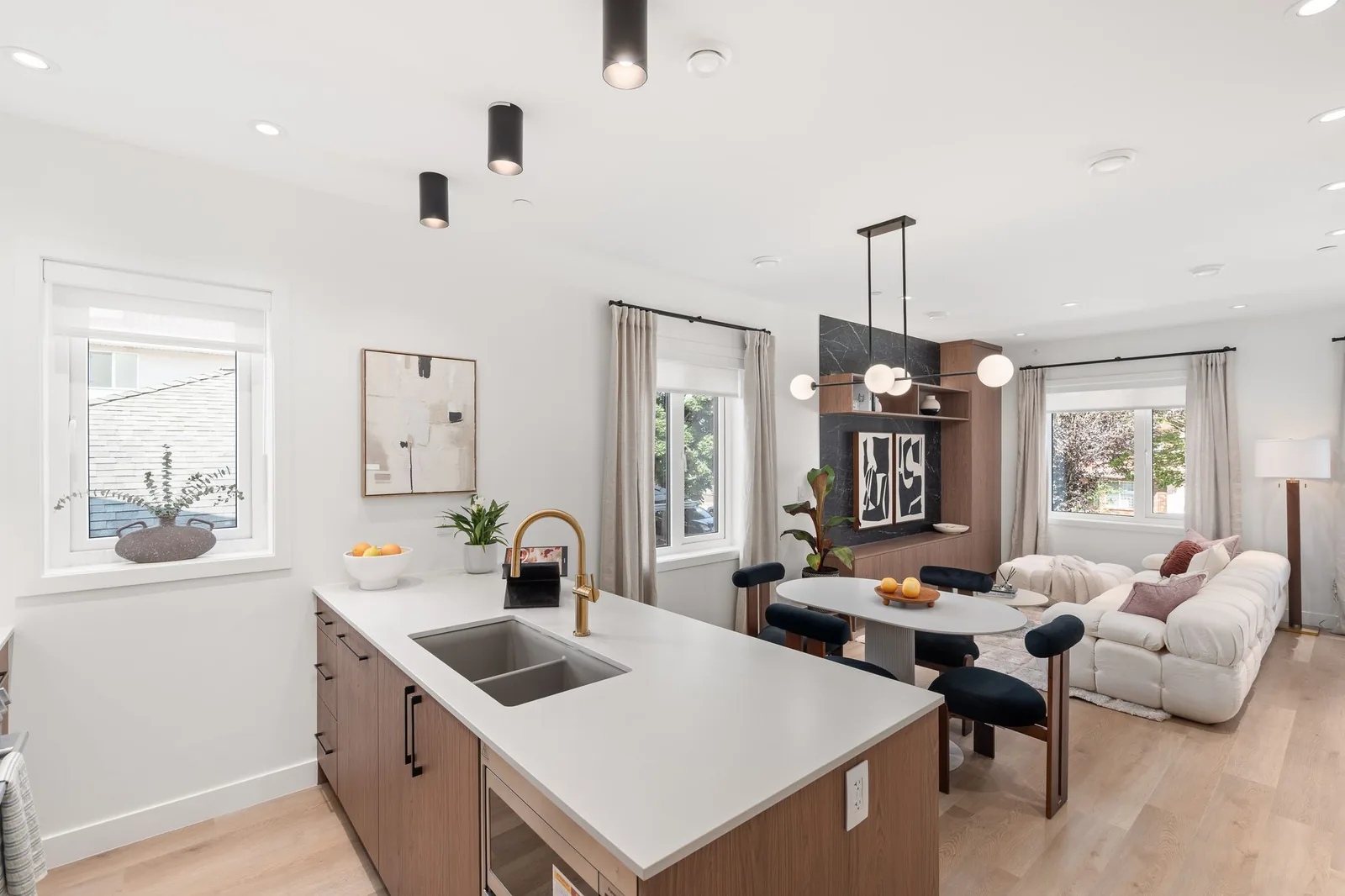
If you own a house in Vancouver, your lot may now be able to hold a multiplex. Paying for the design, the permits and the construction on your own is a large step for one family. One way some families go ahead is co-development: the homeowner puts in the land, a builder puts in the work and the money, and the two of them form a business together to build it.
In this post we walk you through what that business usually is in BC, a limited partnership, and what the law says about it. We explain who does what, who carries which risk, and what the homeowner puts in. We also share the questions we think every family should ask before they sign, and why your own lawyer and accountant should read every page.
What Co-Development Means on Your Lot
In the REW video about Costar, Louis Nguyen, our Director of Sales, explains when this comes up. "In some cases, the homeowner won't be able to finance the project themselves," he says, meaning they do not have enough money to meet the equity requirement, which is the share of the project cost a lender expects the owner to pay in before it will lend the rest. In that case, he says, Costar may become a partner in the project, and he calls that model co-development.
He then describes the set-up. "The homeowner and us, we will form a limited partnership. Homeowner would be the limited partner, and we will be the general partners." By his account, the limited partner has limited risk, does not have to handle the day-to-day running of the project, carries no construction financing risk, and does not have to put their personal property up as collateral (something a lender can take if a loan is not repaid) to guarantee the project.
That is Costar's own description of its model. Every deal is written in its own partnership agreement, and the agreement is what binds you. The rest of this post explains what BC law says about any limited partnership, so you know what each part of that agreement means when you read it.
General Partner and Limited Partner: Who Does What
BC's Partnership Act sets the rules for limited partnerships in Part 3. It is provincial law, so Part 3 applies to a partnership for a Vancouver lot.
Section 50 says a limited partnership has one or more general partners and one or more limited partners. In a co-development, the builder is usually the general partner and the homeowner is the limited partner. The Act allows one person to be both at the same time (section 52).
The General Partner
The general partner runs the business. Section 56 gives a general partner all the rights, powers and liabilities of a partner in an ordinary partnership. The Province's page on partnerships puts it in plain words: there is generally a limit on a limited partner's liability, "while the general partner's liabilities are not limited."
Section 56 also lists things a general partner cannot do without the written consent of every limited partner. These include using partnership property for anything other than a partnership purpose, adding a new partner unless the certificate allows it, and consenting to a court judgment against the partnership.
The Limited Partner
The limited partner puts in money or property and shares in the result. Section 59 gives a limited partner the right to a share of the profits and to have their contribution returned, subject to the Act and the agreement.
The Act protects a limited partner's own wealth in one main way. Section 57 says a limited partner is not liable for the partnership's debts beyond the amount of property they contribute or agree to contribute. In plain words: if the project owes money it cannot pay, your loss under this section is limited to what you put in.
What You Put In: Your Land
In a co-development on your own lot, what you bring is the house and the land. Section 55 says a limited partner may contribute money and other property, but not services. So you can put in land, and your work on the project does not count as a contribution.
When the land goes in, three parts of the Act matter to you:
- The value is written down. Section 51 says the certificate filed with the province must state the nature and fair value of any property the limited partners contribute. Ask how that value was set, and by whom.
- The land becomes partnership property. Section 1.1 defines partnership property to include property brought into the partnership. Section 55 says your interest in the limited partnership is personal property. After the land goes in, what you hold is that interest in the partnership.
- You get cash back unless the papers say more. Section 62 says a limited partner can only demand cash in return for their contribution, whatever they put in, unless the certificate says otherwise or all the partners agree to another way. If your plan is to live in one of the new homes, the right to that home has to be written into the documents.
Your family plans need to be in the legal papers. In the REW video, Louis describes a six-plex where grandparents live on the ground floor with no stairs, and a young family lives on the floors above. If that is your plan too, the agreement should say which unit is yours, how its value is counted, and when it moves into your name.
Who Carries Which Risk
A multiplex build has many risks: the cost of construction, a delay in permits, a loan that is not repaid, and a market that changes before the units are sold. The Act and the agreement decide who carries each one.
Construction and Financing Risk
By Louis's account in the video, Costar as general partner carries the construction financing risk in its co-development model, and the homeowner does not put personal property up as collateral. Ask to see this in the agreement and in the loan documents. The Act's own protection is the limit in section 57: your liability stops at what you contributed, and if your land is your contribution, the land is what is at stake.
The Risk of Taking Part in Management
Read this section with care. Section 64 says a limited partner is not liable as a general partner "unless the limited partner takes part in the management of the business." If you start running the project, you can lose the limit on your liability.
Many families want a say in finishes and layouts, and that is reasonable. REW's guide quotes Sanj Aggarwal, whom REW names as the owner of Icon Projects Ltd., saying that a limited partnership contract can set out which decisions the limited partners weigh in on, such as fit and finish or colour selections. Part 3 of the Act gives no list of what counts as management. Ask your lawyer which decisions you can make, and how to make them, without crossing the line in section 64.
The Risk That the Partnership Ends Early
Section 67 says the bankruptcy, retirement, death, mental incompetence or dissolution of a general partner ends the limited partnership. The business continues only if the certificate gives the remaining general partners that right, or if all the remaining partners consent. Ask what your agreement says will happen to the project, and to your land, if this occurs.
Who Gets Paid First
If a limited partnership ends and its accounts are settled, section 73 sets the order of payment, subject to the certificate or a later agreement. Outside creditors (the lenders, trades and suppliers the partnership owes) are paid first. Then the limited partners get back their capital, then their share of profits. The general partners are paid after that. This order matters most when the partnership does not have enough money to pay everyone.
How a Limited Partnership Is Registered in BC
A limited partnership only exists once it is filed. Section 51 says it is formed when a certificate, signed by each general partner, is filed with the registrar, the provincial office that keeps the business register. The Province's form for this is the Declaration for British Columbia Limited Partnership.
The certificate must state, among other things:
- the name of the partnership and the address of its registered office in BC;
- the full name and address of each general partner;
- the term the partnership is to last;
- the cash, and the nature and fair value of other property, the limited partners contribute;
- any extra contributions the limited partners agree to make later, and when;
- the basis on which the limited partners share profits.
Section 53 says the name must end with the words "Limited Partnership". It also says a limited partner's surname must not appear in the name unless a general partner shares it or the business already used that name. A limited partner whose name is used against this rule can be liable as a general partner to some creditors. So if the builder suggests naming the project after your family, ask your lawyer first.
The Province's page, updated September 14, 2026, lists the registration fee for a limited partnership as $165 and a name request as $30. It says the limited partnership filing is on paper only, and a name approval expires 56 days after it is approved. Confirm the current fees on that page before you file.
Section 54 says the partnership must keep, at its registered office, a register of the limited partners, a copy of the certificate and a copy of the partnership agreement, with every amendment. A partner can inspect and copy them during ordinary business hours.
Your Rights as a Limited Partner
Section 58 gives a limited partner three rights that a general partner also has:
- to inspect and copy the partnership's books at all times;
- to receive, on demand, true and full information about everything that affects the partnership, and a formal account when it is fair to ask for one;
- to ask a court to end and wind up the partnership.
Use the first two. In our experience, a family that reads the monthly numbers on a build has fewer surprises at the end. Louis made a related point in REW's multiplex guide: "If there's a builder or developer that is willing to take the public into a construction project midway through… that is usually a good indication that their system and their values are more transparent."
Questions to Ask Before You Sign
These are the questions we think every homeowner should bring to a co-development meeting, with us or with anyone else. Write the answers down, and have your lawyer check each one against the documents.
Ask Who the General Partner Is
Find out which company is the general partner, since that company carries the unlimited liability. Ask whether it is the builder itself or a separate company set up for the one project.
Ask How Your Land Was Valued
The certificate must state a fair value for your land. Ask who set that value and how, and whether you can get your own appraisal.
Ask What You Get at the End
Is it a finished unit, cash, a share of the sale money, or a mix? Section 62 says you can only demand cash unless the papers say otherwise, so make sure your plan is written in.
Ask Whose Name Is on the Title
Ask whose name is on the land title during construction, whether a lender will register a mortgage against the land, and what happens to the land if the loan is not repaid.
Ask Which Decisions Are Yours
List the choices you want to make, such as layouts, finishes or the unit for your parents. Ask your lawyer how to keep those choices without taking part in management under section 64.
Ask What Happens If Things Go Wrong
Ask what the agreement says about delays, cost overruns, a general partner that leaves or goes bankrupt (section 67), and how the accounts are settled (section 73).
Ask to See a Project Under Construction
Walk a real site with the builder while the work is underway. Louis's words above from REW's guide explain why: a builder who opens a site midway through shows how it works.
Get Your Own Legal and Tax Advice
A partnership agreement for a multiplex decides what happens to what is often a family's largest asset. The builder is your partner, and the builder's lawyer works for the builder. Your lawyer works for you.
The Province's own page on partnerships suggests getting advice from a chartered professional accountant or lawyer before you set up a business. We agree, and we would add one thing: get that advice before you sign anything, including a letter of intent.
Tax rules depend on your own situation, so leave every tax question to your accountant. Bring the draft agreement to an accountant and ask what tax applies when your land goes into the partnership, while the project runs, and when you receive a unit or cash at the end. If family members will live in the new homes or share in the deal, bring them to that meeting too.
A First Step You Can Take This Week
Before any partnership talk, find out what your lot allows. Louis gave simple advice in REW's guide: "I think the first step that you can take is email the city and just ask about what we can do on this property." Our multiplex guide and the Vancouver city page explain the rules in more detail, and our We Killarney Townhomes page shows a six-plex in Vancouver from our project gallery.
If co-development might fit your family, we are happy to sit down with you, walk you through how Costar describes its model, and answer your questions before you take them to your own lawyer and accountant. Tell us about your project today.
Related on this site: Multiplex construction in Vancouver · How much a multiplex costs to build in Vancouver · Book a one-hour project consultation