
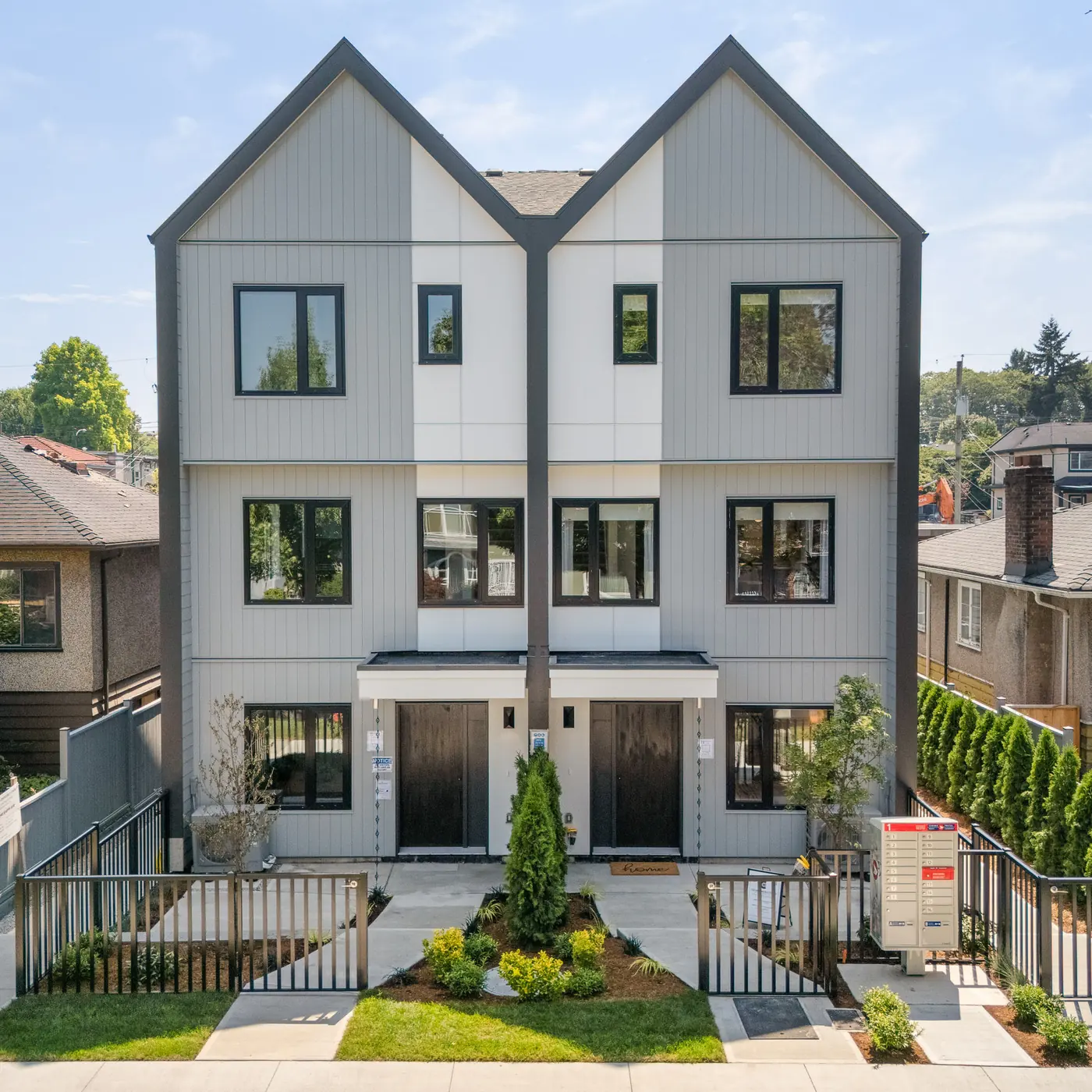
A homeowner who qualifies for a multiplex under Vancouver's R1-1 zoning usually asks the same question first: what will it actually cost to build. The answer has four separate parts that a single number cannot capture: construction, land, soft costs and city fees. Each one scales differently with the number of units on the lot.
This guide breaks the cost down the way a real project budget is built: what drives construction cost, how land and soft costs add to it, and the fees the City adds on top. For the full breakdown of Vancouver's Development Cost Levy specifically, including a worked example, see the companion guide on multiplex zoning and permits in Vancouver. For the steps from first idea to move-in and how ownership works, read the multiplex guide.
What Drives the Construction Cost of a Multiplex?
Costar does not publish a per square foot price for multiplexes. The price depends on the plans, the lot and the finishes, and it changes over time, so a figure copied from a web page can be out of date before you use it. Ask a consultant for a written estimate for your lot before you set a budget.
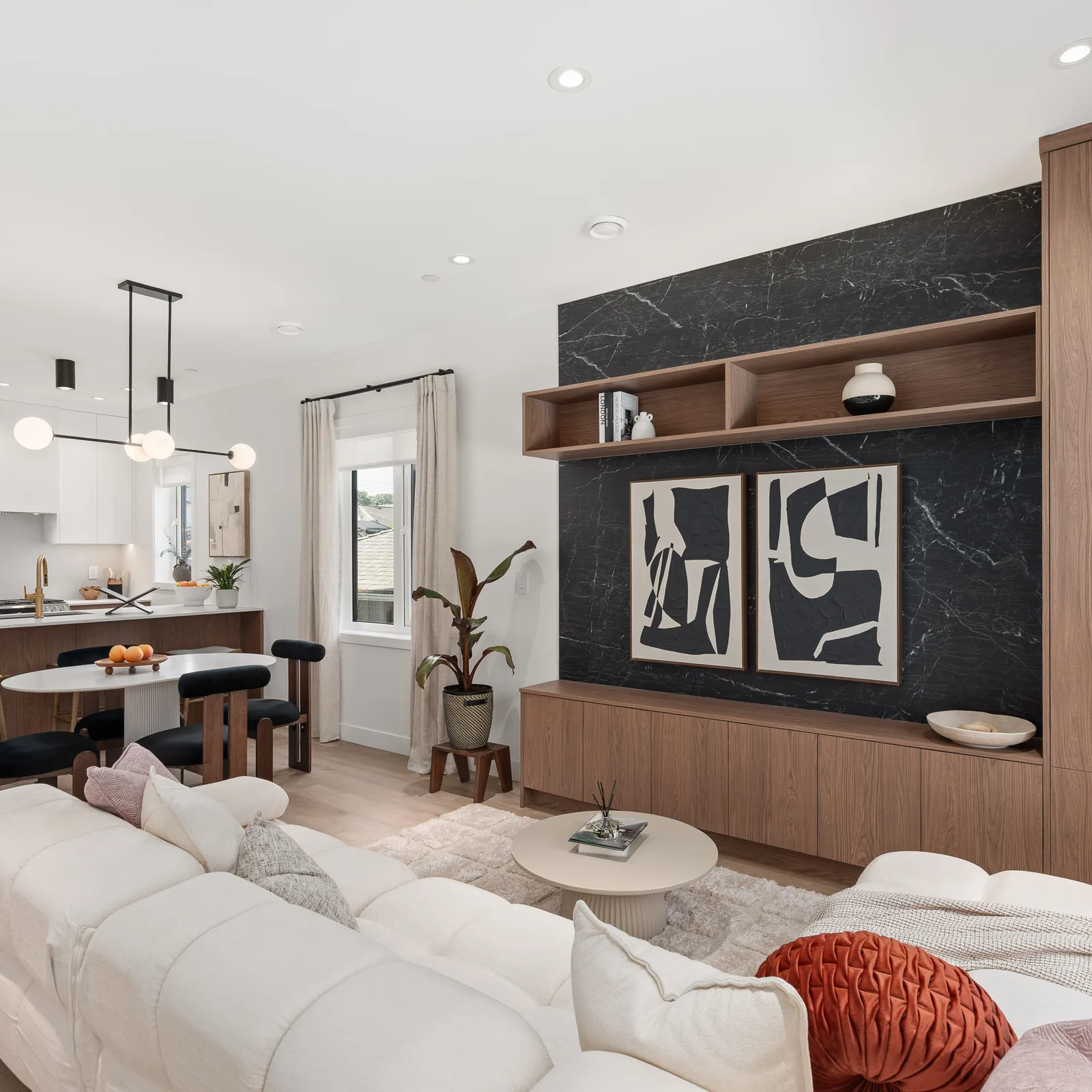
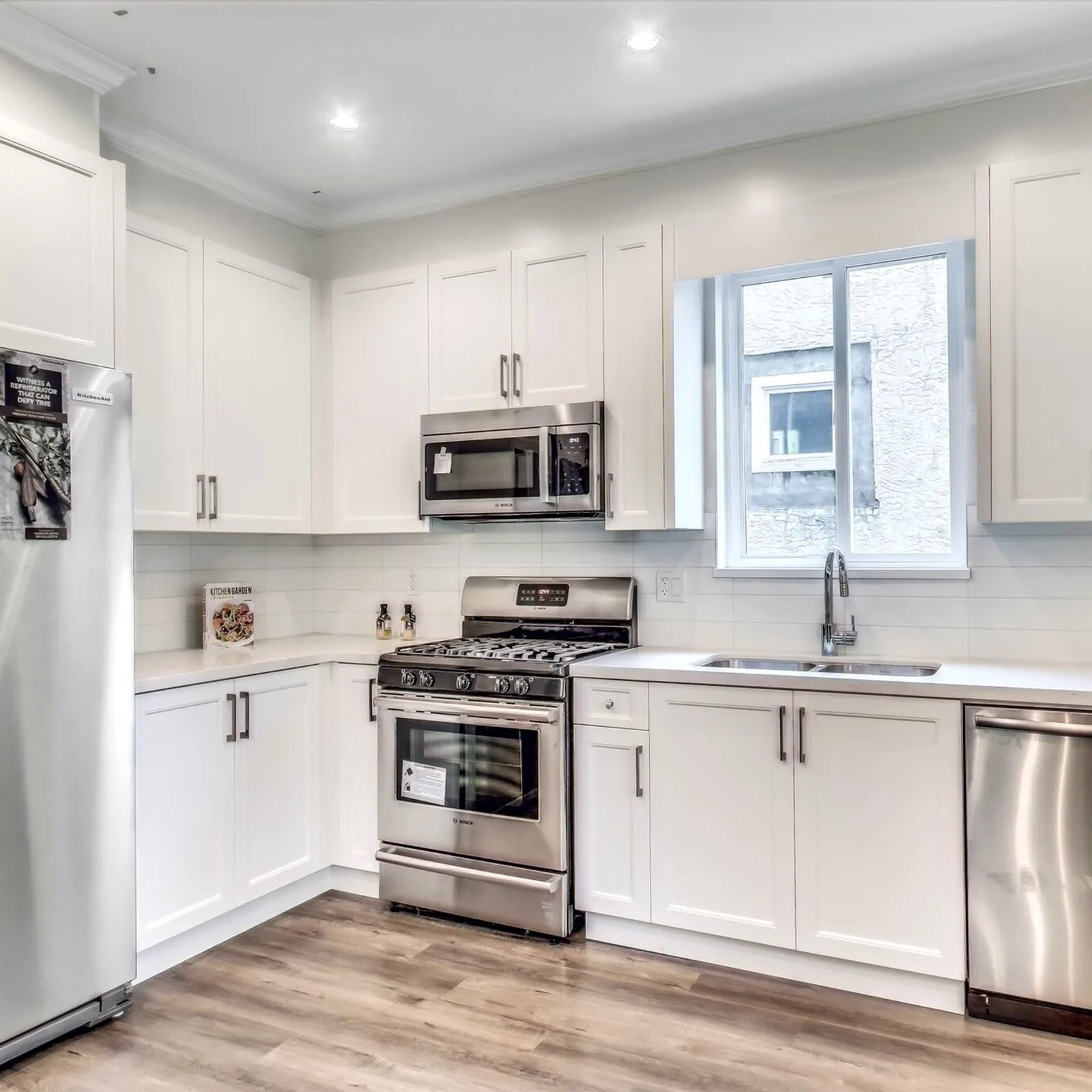
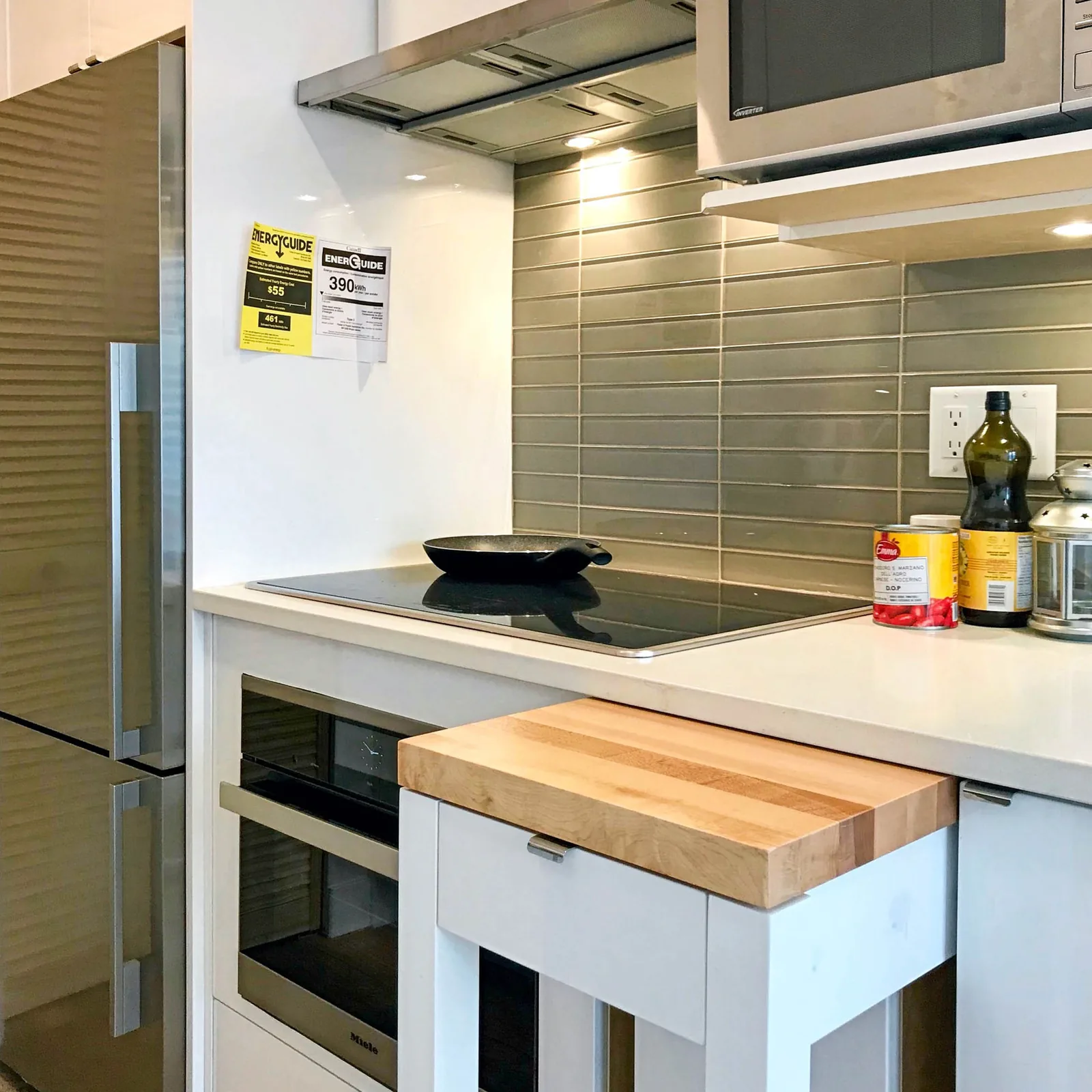
Four things move the construction cost most. Premium finishes throughout raise it. A site that needs extra work before construction starts, such as a slope, difficult soil or a lot that needs significant grading, raises it. The number of kitchens and bathrooms raises it, because they carry the plumbing, cabinets and fixtures. A basic finish level, a flat and clear lot and a straightforward floor plan keep it down.
Costar's own custom home cost guide makes the same point for single-family construction: a simple, efficient design keeps costs down and a complex one drives them up. The same logic applies to a multiplex. Repeating a single unit layout across every home on the lot is more efficient than designing each unit separately.
Total Project Cost by Unit Count
The construction price alone only tells part of the story, because a multiplex project's total cost depends heavily on how many units sit on the lot and how large each one is. A duplex on a standard lot, a fourplex, and a six-unit multiplex each carry a different total budget, driven by three things that scale together: total floor area, the number of kitchens and bathrooms (the rooms that carry plumbing, cabinets and fixtures), and the city fees charged per unit.
Land is a large variable in the total figure, and Costar's custom home guide notes that the price of a lot can sometimes exceed the cost of construction itself. A homeowner who already owns the lot and is adding units to it starts from a different budget than someone purchasing land specifically to build a multiplex, since the land cost is already sunk in the first case.
What Are Soft Costs on a Multiplex Budget?
Soft costs sit between land and construction on a project budget, and they are easy to underestimate because they do not show up as a single visible line item the way a framing invoice does. A multiplex soft-cost budget includes:
- Permit fees, charged by the City at building permit issuance
- Engineering and architectural fees for the design and structural work
- Legal costs for the transaction and any strata or ownership structuring
- Financing charges for the construction loan, which accrue over the length of the build
Costar's custom home cost guide recommends a 10 to 15 percent contingency fund for unexpected expenses on a construction budget, and the same principle applies to a multiplex project. A budget built from the construction estimate alone, without soft costs and a contingency, can run short partway through the build.
What City Fees Does a Vancouver Multiplex Pay at Permit?
On top of construction, land and soft costs, a Vancouver multiplex carries city fees charged specifically to new development. The two most significant are the Development Cost Levy, a City of Vancouver charge collected per square metre of floor area, and the regional Development Cost Charge collected by Metro Vancouver per dwelling unit. Both fund infrastructure that supports new housing, such as parks, childcare space and transportation. A building permit fee applies as well.
The City charges its levy at building permit issuance. For a levy under $500,000, which covers most multiplex projects, the City allows three equal instalments at permit issuance, at 12 months and at 24 months, so the first payment lands early in the project timeline. The full breakdown of the Development Cost Levy, including how the City calculates it and its current rate, is covered in the zoning and permits guide.
Why Does the Cost per Home Drop as the Unit Count Rises?
A multiplex costs less per home than a single-detached house built on the same lot, for a simple reason: the land cost is shared across more homes, and each individual unit is smaller. Costar's own multiplex service page makes the same point directly. This is the core economic argument for building a multiplex instead of a single house or duplex on a lot that qualifies for more units, and it holds even though the total project cost for a larger multiplex is higher than for a smaller one.
The trade-off works the other way for total commitment. A six-unit multiplex spreads the land over more homes than a duplex on a similar lot, but it requires a larger total construction budget, a longer build, and more soft-cost coordination across more units. A feasibility review of a specific lot is the way to see how that trade-off plays out for an individual property, since lot size, frontage and zoning together determine how many units a given site can actually support.
How Costar Manages a Multiplex Budget
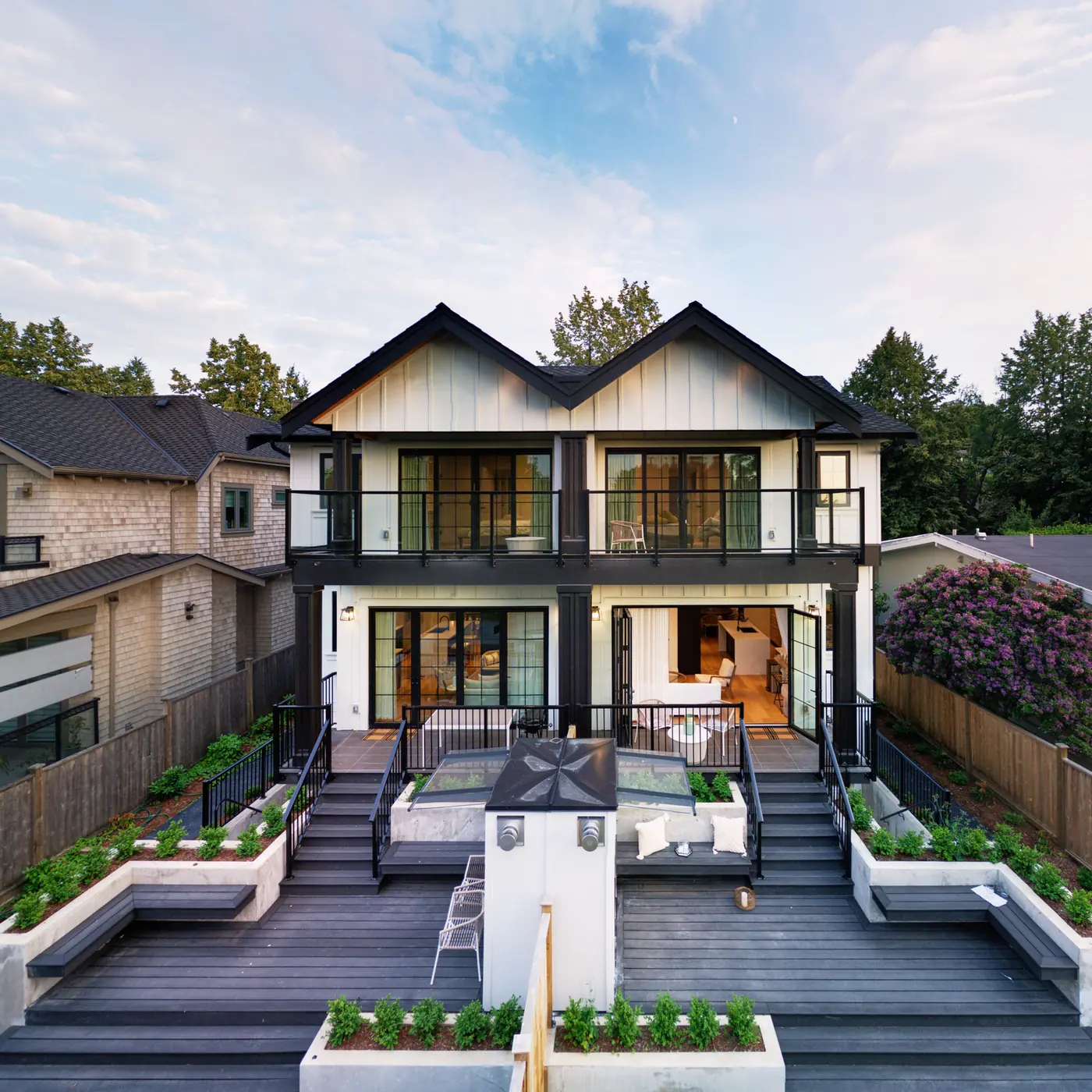
Costar assigns a construction manager to every multiplex project, using CoConstruct software to track budget and schedule so the client can see costs and progress at each stage rather than waiting for a final invoice to find out where the project landed. Costar's completed multiplex projects include a 5-plex on East 40th Avenue and a 6-plex in Killarney, both in Vancouver, and its multiplex project "It Takes Two" won Best Multiplex Home at the 2024 Georgie Awards, presented by the Canadian Home Builders' Association of BC.
Costar handles multiplex projects at different stages, from pre-design feasibility through permitting and into construction management, coordinating subtrades and inspections against the schedule the client can see. For a lot-specific cost estimate, book a consultation with Costar's team.