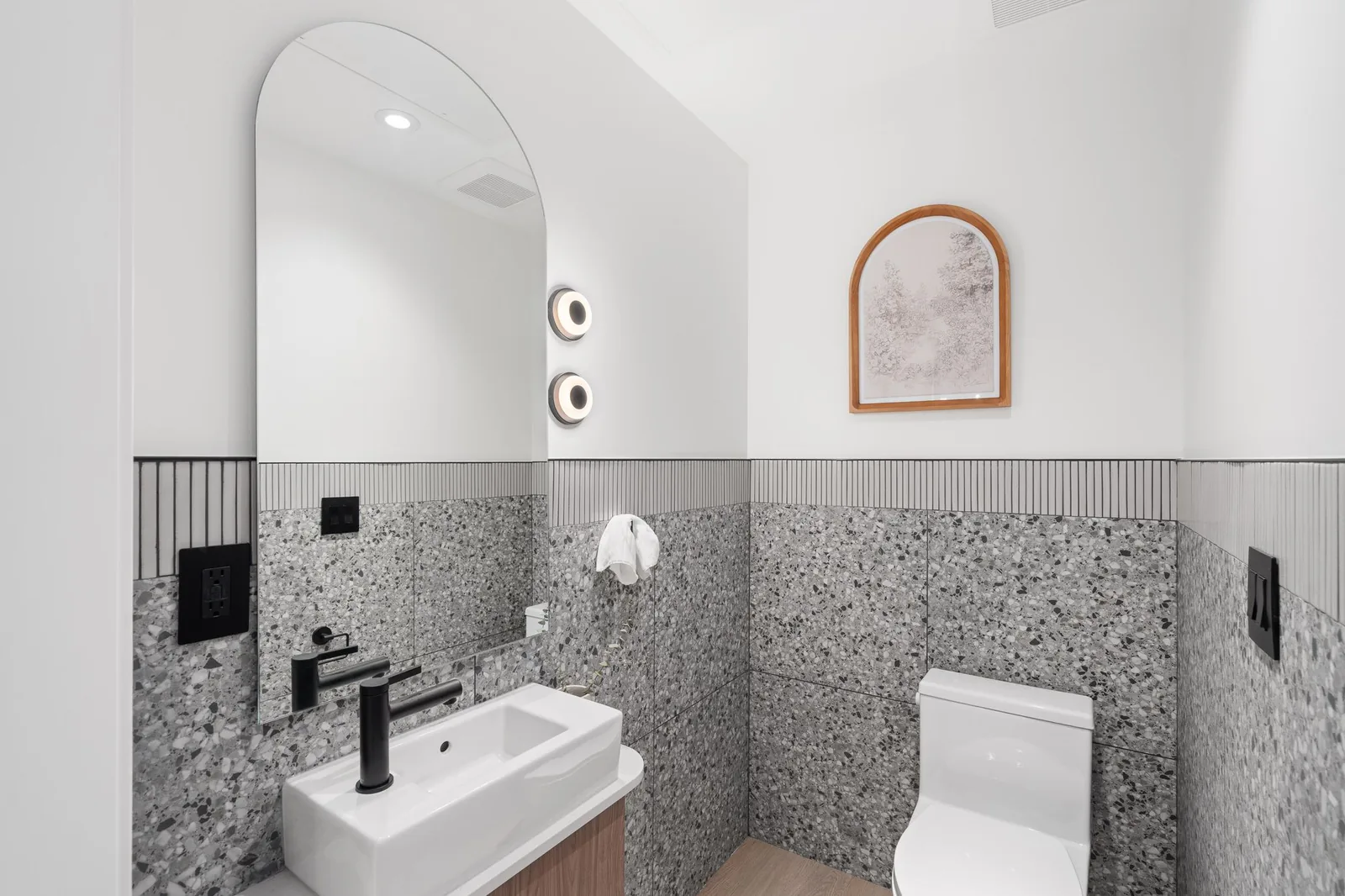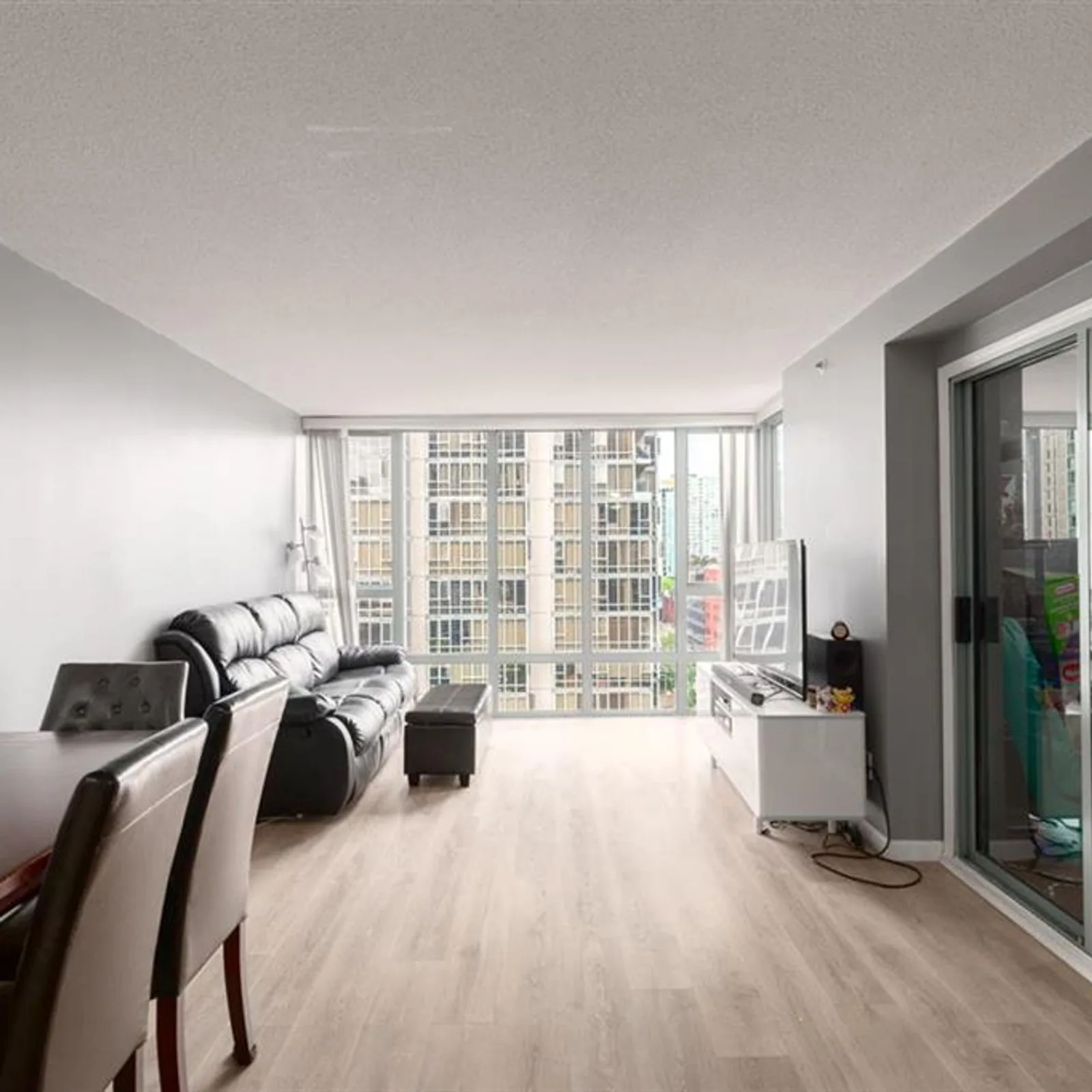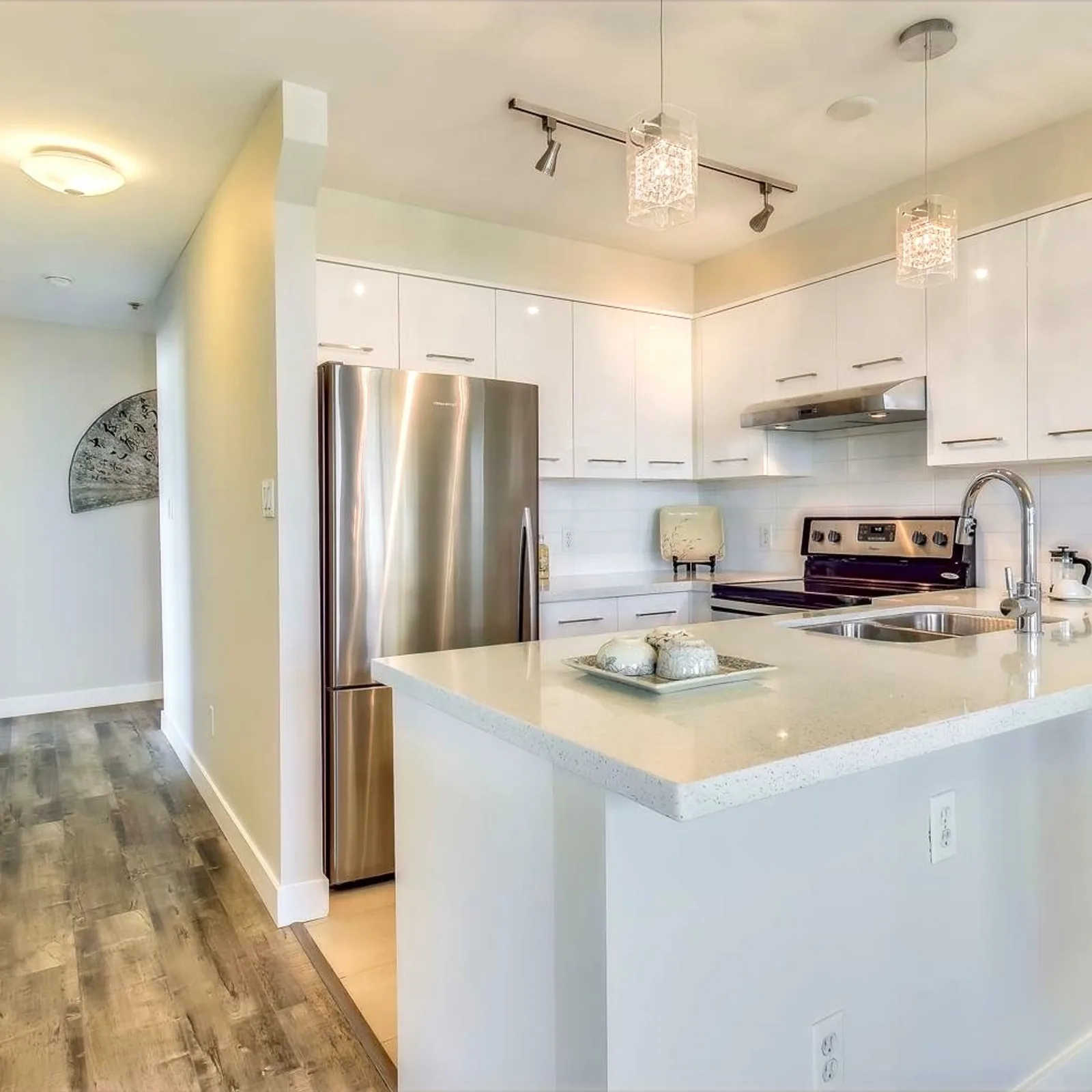

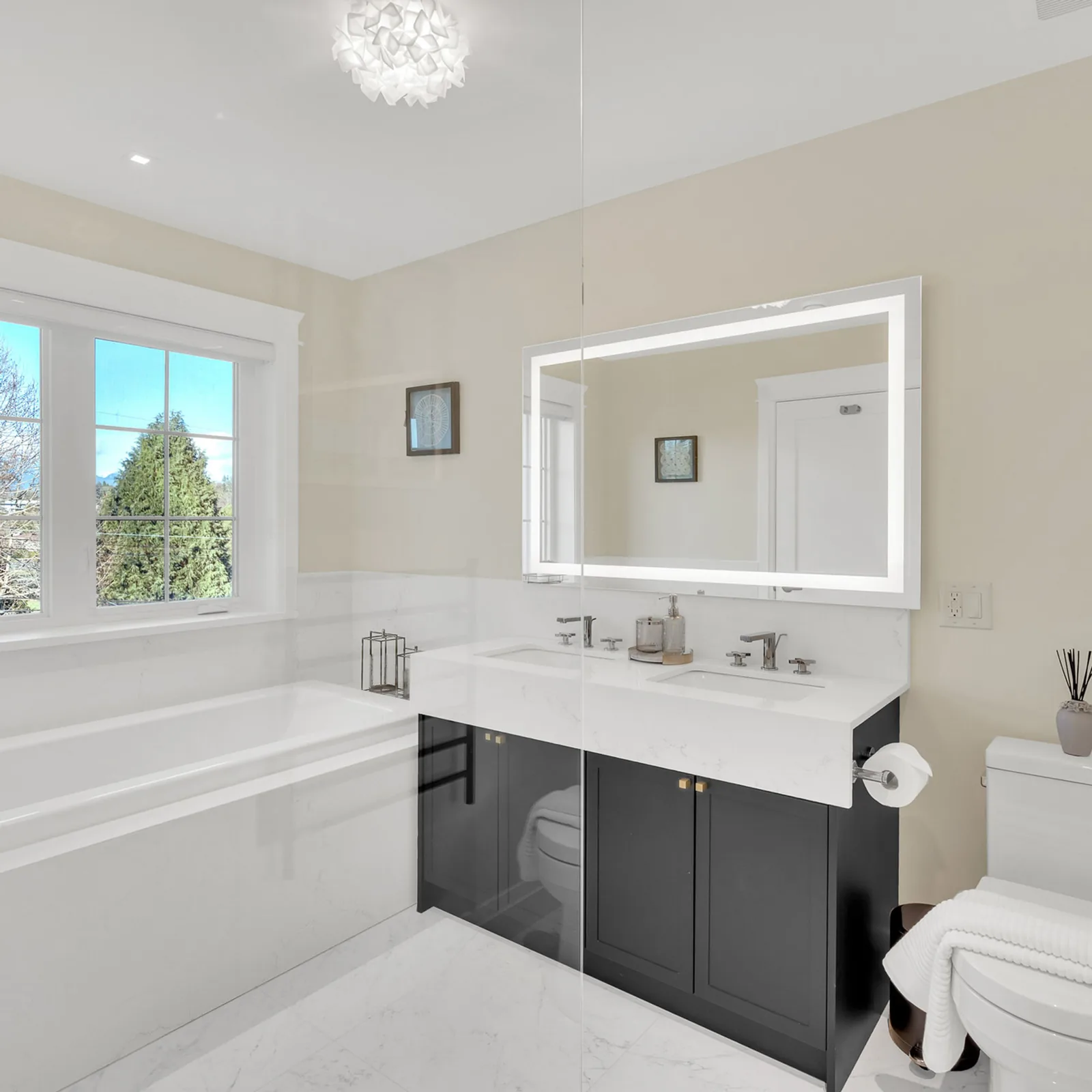
A bathroom renovation in Metro Vancouver can need a building permit, a plumbing permit and an electrical permit, and each city handles them its own way. In a condo, your strata has a say before any of them. In this post we walk you through which bathroom work needs a permit in Burnaby, Richmond, Coquitlam and Vancouver, the shower and fan rules in the 2024 codes, and the strata approval that comes first.
We covered electrical and gas permits in detail, city by city, in our guide to kitchen renovation permits in Metro Vancouver. This post focuses on what is different in a bathroom: plumbing, water temperature, ventilation and water damage in a strata building.
Which Bathroom Work Needs a Permit
A bathroom permit depends on what you change, and every city draws its own lines.
Swapping finishes. Burnaby's home improvement permits page says minor works such as replacing fixtures, cabinets and flooring, or painting inside your home, do not need a building permit. The same page says any alteration of a building needs a permit, and it lists adding a bathroom among the interior alterations its guides cover.
Plumbing. Burnaby's trade permits page says installing, changing or upgrading any part of a plumbing system in a single-family home or duplex needs a plumbing permit. Richmond's plumbing permit form says it must be approved before any plumbing work or change to a connected plumbing system. The form asks you to list every existing fixture, every fixture you remove and every fixture you add or replace.
Walls, floors and ceilings. Richmond's form says changes to the floor plan, or adding, changing or removing walls, floors or ceilings, need a separate building permit. That building permit must be issued before the plumbing permit.
Electrical. Technical Safety BC's homeowner electrical permit page lists replacing light fixtures and installing or moving switches and outlets among the work that needs a permit. A licensed contractor may replace existing switches, outlets or thermostats without one.
So a like-for-like vanity swap and a new layout are two different projects. Moving the toilet, adding a shower or opening a wall usually brings more than one permit.
Who Issues Each Permit
Building and plumbing permits come from your city. Electrical permits come from the city in some places and from Technical Safety BC in others. Technical Safety BC's jurisdiction page lists 10 municipalities with their own electrical or gas permits. As of September 29, 2026, for the cities Costar serves:
- Vancouver, Burnaby, the City of North Vancouver and the District of North Vancouver issue their own electrical permits.
- West Vancouver issues its own electrical permits.
- Richmond issues gas permits only, so Technical Safety BC issues its electrical permits.
- Coquitlam, New Westminster and Port Moody are not on the list, so Technical Safety BC issues electrical permits there.
Most bathrooms have no gas work. If yours has a gas water heater or a gas line in the wall you plan to open, read the gas section of our kitchen permits guide.
Who May Do the Plumbing
Each city sets its own rule for owners who want to do the work themselves.
In Richmond, the permit form says all inside plumbing must be done by a plumber with a Trades Qualification and a current Richmond business licence. The exception is a single family home owner who lives there, does the work personally and signs a declaration.
In Coquitlam, the plumbing permits page says homeowners who apply must submit a digital drawing for review and a Home Owner Declaration Form. Plumbing contractors applying for renovation work do not need digital drawings.
For electrical work, Technical Safety BC's page says owners of a strata unit or a non-strata duplex cannot get a homeowner permit and must hire a licensed contractor.
The Codes That Shape a Bathroom
Shower Water Temperature
The Province's bulletin on the BC Plumbing Code 2024 says the water temperature control rules now apply to water supplied to all shower heads. Earlier editions applied them to fixed shower heads only. A hand shower on a slide bar, or a second head, now falls under the same rule. The bulletin also sets a 43 degree Celsius maximum for shower heads and bathtubs in healthcare facilities and seniors' residences.
The same bulletin says shower drains are now sized by the litres per minute that all shower heads and body sprays discharge. Earlier editions sized them by the number of shower heads. If you plan a rain head plus body sprays, your plumber will size the drain from the total flow.
The BC Plumbing Code 2024 page says BC kept its dual-flush toilet limits of 6.0 litres and 4.1 litres.
The Bathroom Fan
Article 9.32.3.6 of the BC Building Code 2024 asks for an exhaust fan in every bathroom or toilet room, unless the room is served by the home's main ventilation exhaust fan. Table 9.32.3.6 sets the minimum airflow:
- 23 litres per second for a fan that runs part of the time;
- 9 litres per second for a fan that runs all the time.
The fan's rating is measured at 50 pascals of pressure, using HVI Publication 916 or CSA C260. The number printed on the box may be taken at a lower pressure, so ask your electrician or supplier for the rating at 50 pascals.
Vancouver's Own Bylaw
The Province's BC Building Code 2024 page says the BC Codes do not apply in the City of Vancouver, which has its own building bylaw. The City's permit pages refused our requests on September 29, 2026. Ask the City's Development and Building Services Centre which bylaw edition applies to your bathroom before your plans are final.
Condos and Strata Townhouses
A bathroom in a strata lot sits above or beside your neighbours, and a leak can reach them. BC's Strata Property Act gives the strata a say through Standard Bylaw 5. You need the strata's written approval before an alteration to your strata lot that involves:
- the structure of the building;
- common property inside your strata lot;
- parts of your strata lot that the strata must insure under section 149 of the Act.
That last point matters in a bathroom. Section 149 says the strata must insure fixtures the owner developer built or installed as part of the original construction. An original tub, shower or vanity can fall into that group.
The strata must not refuse approval without a reason, but it may ask you to agree in writing to pay costs that come from the change. Your strata may have filed its own bylaws, so ask for them before you plan.
Costar's project gallery lists the Yaletown Condo at 907 - 950 Cambie St, Vancouver, as a condo home renovation and staging project.
The Permit Process, Stage by Stage
-
List Every Change
Write down each fixture you keep, move, add or remove, plus any wall, floor, fan or light change. Richmond's form asks for exactly this list.
-
Strata Approval
In a strata, send the plan to the council and wait for the written approval.
-
Building Permit, If Needed
A new layout or a wall change needs drawings and a building permit. In Richmond, it must be issued before the plumbing permit.
-
Plumbing and Electrical Permits
Your plumber and electrician apply for their permits before work starts. Ask each one for the permit number.
-
Rough-In Inspections
Pipes, drains and wiring are inspected while the walls are open. Waterproofing and tile go on only after they pass.
-
Final Inspections
Collect the final inspection record for each permit before the last payment.
Factors That Change the Permit Path
Keeping or Moving the Toilet
A toilet in its old spot keeps the drain in place. Moving it means new drain and vent pipes, and that is a change to the plumbing system.
Adding a Shower Head
Every shower head now falls under the temperature control rule. Body sprays change how the drain is sized.
Opening a Wall or Ceiling
In Richmond, any wall, floor or ceiling change needs a building permit. In a condo, it may also touch common property or the structure.
The Fan Route
A new fan needs a duct to the outside and a wired connection. In a strata building, the duct may pass through the exterior wall or common property, which Standard Bylaw 5 also covers.
Practical Tips for Bathroom Permits
Get the Strata Letter First. Wait for written approval before you order a new tub or tile.
Check the Fan Rating. Ask for the airflow at 50 pascals, and match it to the 23 or 9 litres per second in the code.
Choose Shower Valves for Every Head. Plan temperature control for each head, including a hand shower.
Keep the Plumbing Visible Until It Passes. Book the rough-in inspection before the waterproofing goes on.
File the Records. Keep each permit number and final inspection with your home papers.
How Costar Handles Bathroom Renovations
Costar's bathroom service page says its construction manager coordinates the plumber, electrician and tile trades and confirms that rough-in inspections pass before the fixtures, tile and cabinetry go in. Costar's process page says final drawings go in for permits and approvals during pre-construction, and that Costar arranges the rough-in work and the city inspections during construction. Costar's gallery also lists the Kerrisdale Townhouse at 2120 Yew St, Vancouver, as a renovation project.
For a new home, BC Housing's standards for tile and grout are covered in our new home handover guide.
Every bathroom starts with a list of fixtures and walls. Bring yours to a one-hour consultation and we will go through it with you. Tell us about your project today.
Related on this site: Bathroom renovations in Metro Vancouver · Building in Richmond · Book a one-hour project consultation