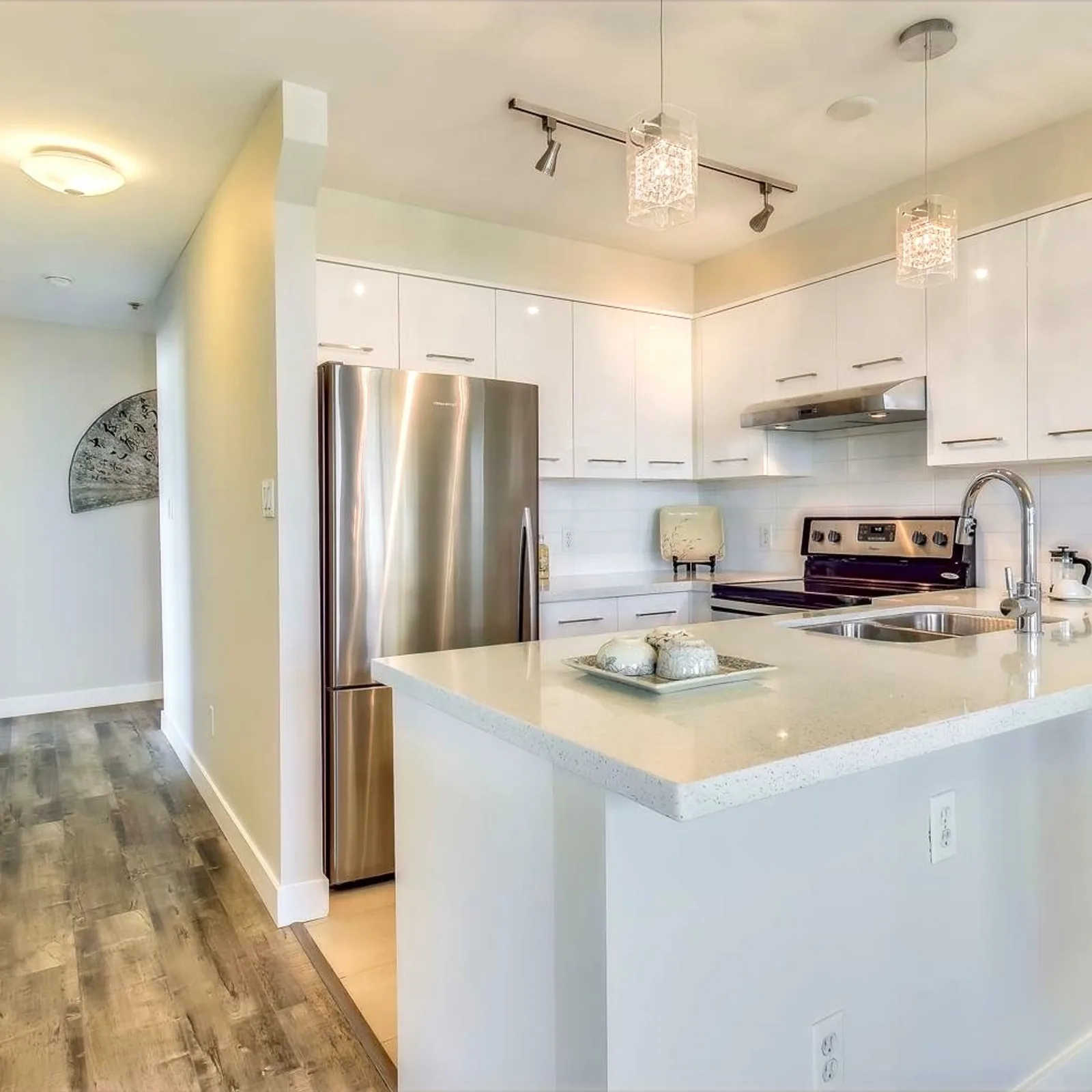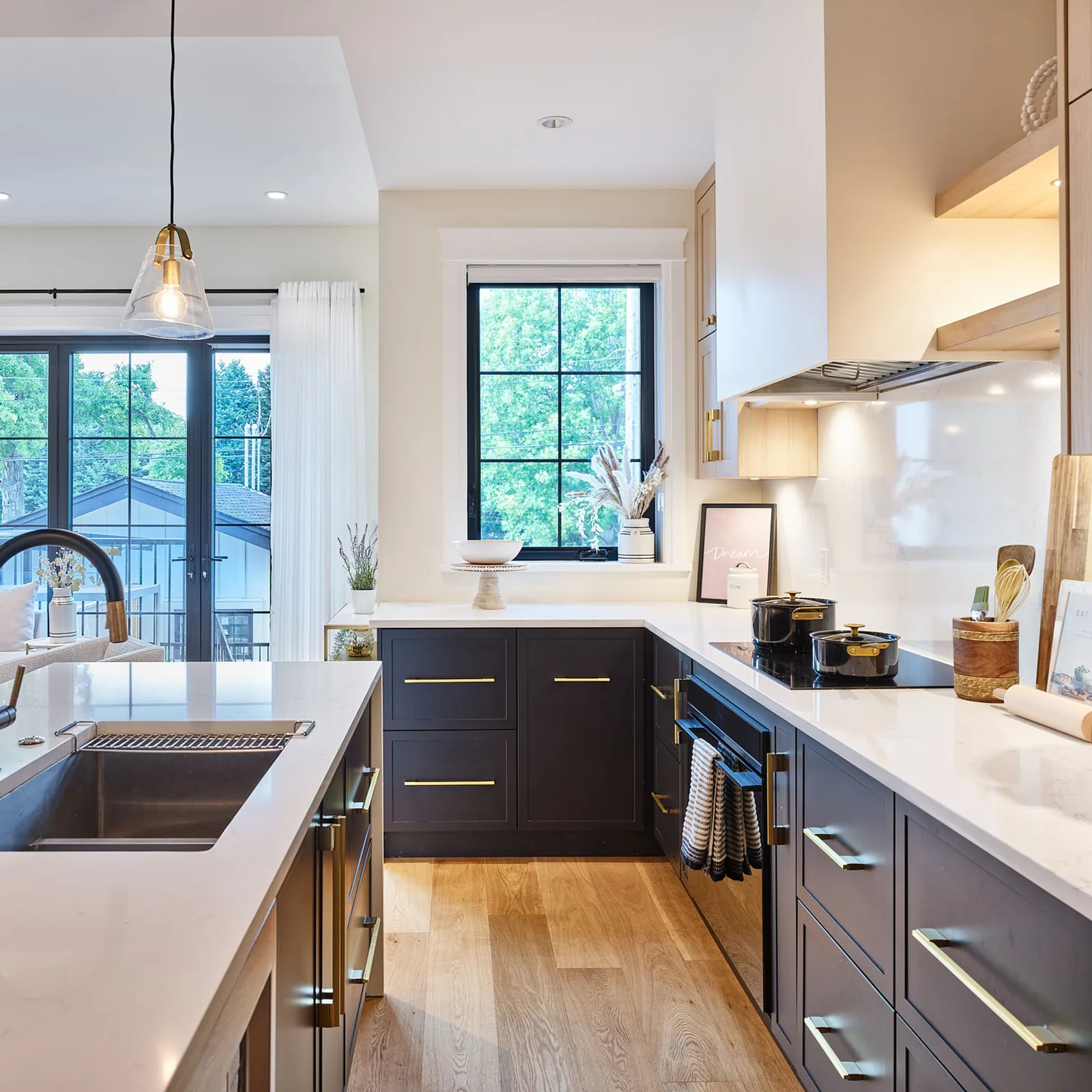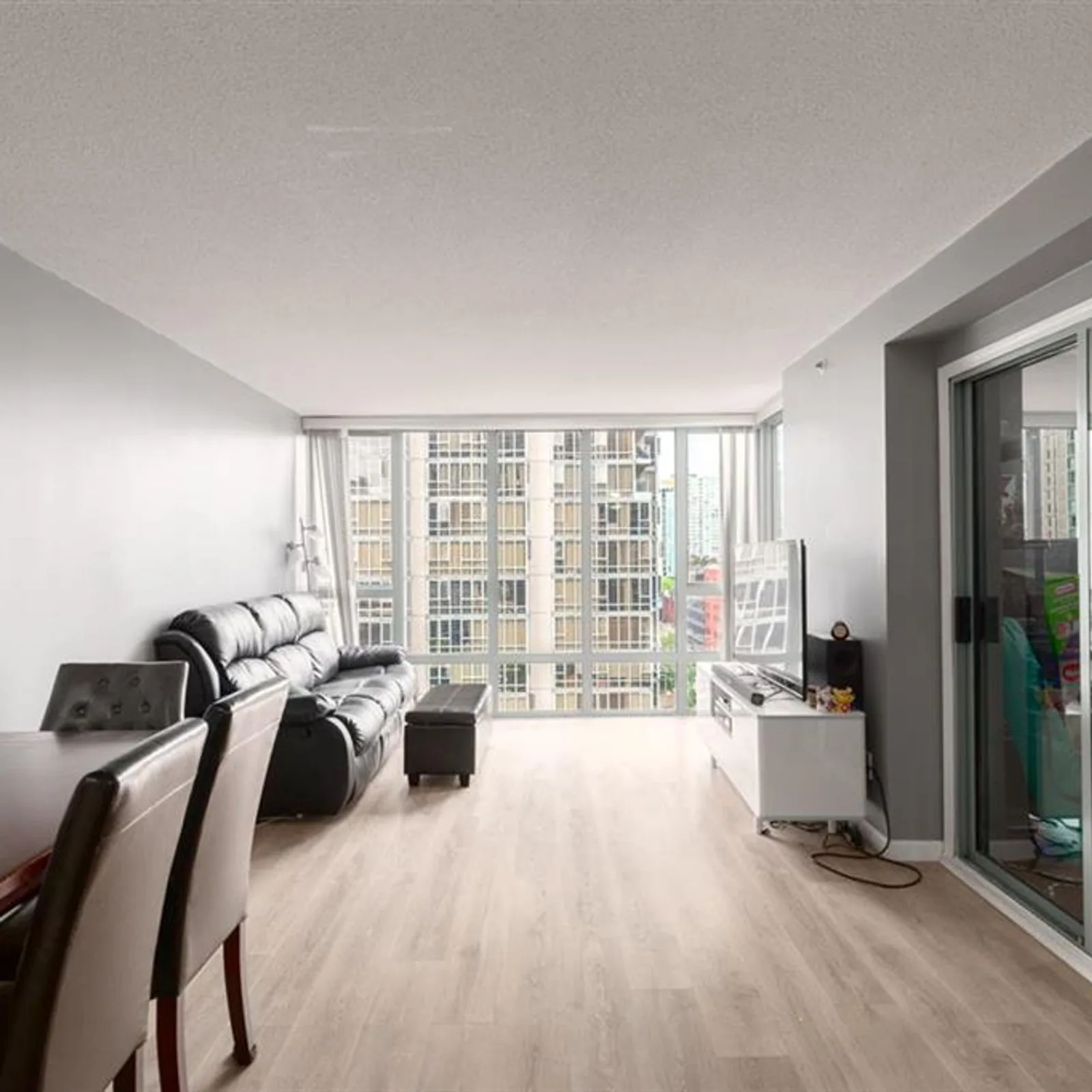

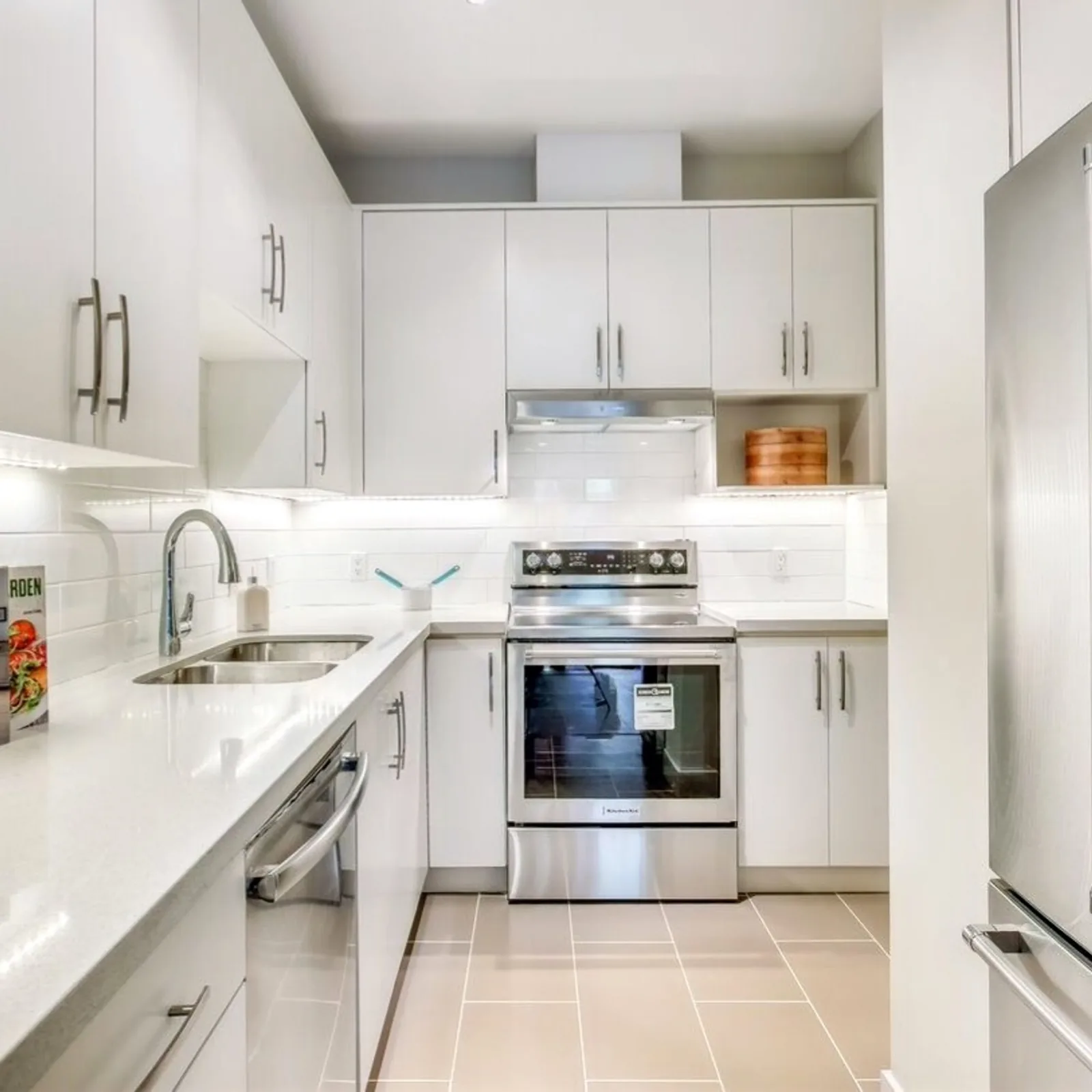
A new kitchen in Vancouver can touch four kinds of permit at once: building, plumbing, electrical and gas. Each one can come from a different office, and in a condo your strata council has a say before any of them. In this post we walk you through which parts of a kitchen renovation need a permit, who issues each permit in each Metro Vancouver city, which code editions apply today, and what changes when your home is a strata lot.
Which Kitchen Work Needs a Permit
A kitchen renovation needs a permit when it changes the building or its systems.
Walls. Wall changes go through your city's building permit. Burnaby's home improvement permit page calls changes that add no floor area "Alterations", says its guides for them cover building or taking down walls, and says these projects need a permit. Burnaby's guide for home improvement permits (revised August 27, 2026) asks for structural drawings with a Letter of Assurance when the work alters or replaces a loadbearing wall, a column or a beam. The Province's Letters of Assurance page describes these as legal documents that name the registered professional, such as an engineer, who is responsible for a design and for reviewing the work on site.
Plumbing. Moving the sink, adding a second sink or adding a water line for a fridge changes the plumbing system. Burnaby's trade permit page says that installing, changing or upgrading any part of a plumbing system in a single-family home or duplex needs a plumbing permit.
Electrical. Technical Safety BC's homeowner electrical permit page lists work that needs a permit. The list includes replacing light fixtures, installing or moving switches and outlets, and connecting permanently installed equipment such as a dishwasher, an over-range microwave or a range hood. A licensed contractor may replace existing switches, outlets or thermostats without a permit.
Gas. Technical Safety BC's homeowner gas permit page says a permit is needed to install or replace any gas appliance, and it names the range and the cooktop. Installing or replacing gas piping or a vent also needs one.
A new island may bring new outlets, and a new range hood needs its own connection. Write down every change first, then match each one to its permit.
Who Issues Each Permit in Your City
Building and plumbing permits come from your city. Electrical and gas permits are different. Technical Safety BC, the provincial safety authority, issues them in most of BC. Its jurisdiction page lists 10 municipalities that issue their own electrical or gas permits and do their own inspections of that work. For the cities Costar serves, the list read like this on September 29, 2026:
- Vancouver: the City issues both electrical and gas permits.
- Burnaby: the City issues both electrical and gas permits.
- City of North Vancouver and District of North Vancouver: each issues both.
- Richmond: the City issues gas permits only. Technical Safety BC issues electrical permits.
- West Vancouver: the District issues electrical permits only. Technical Safety BC issues gas permits.
- Coquitlam, New Westminster and Port Moody: not on the list, so Technical Safety BC issues both.
Two limits apply to city gas permits. A city gas permit covers natural gas only, and for a detached home it covers a home served by a single meter at 2 psi (14 kPa) or less. Propane, and every other regulated gas, stays with Technical Safety BC. Burnaby's trade permit page also sends gas installations over 409,000 BTU to the provincial authority.
Even in the 10 cities with their own permits, Technical Safety BC still licenses the electrical and gas contractors. So your contractor holds a provincial licence, while the permit and the inspector may come from City Hall.
Which Codes Apply Today
The BC Electrical Code
Technical Safety BC's information bulletin IB-EL 2024-01 says the Canadian Electrical Code, Part I, 26th edition (CSA C22.1-24) became the BC Electrical Code on March 4, 2025. All work under a permit issued after that date must follow the 2024 edition. Work under a permit issued earlier generally stays on the 2021 edition, the 25th, until it is finished. The bulletin also says BC made no changes of its own to the national electrical code in this edition. The Province's BC Electrical Code page confirms the March 4, 2025 date.
The same bulletin tells contractors who get permits from a city with its own electrical permits to check that city's own rules for the move between editions. In Vancouver or Burnaby, ask the City which edition your permit falls under.
The BC Building Code and Plumbing Code
The BC Building Code 2024 came into effect on March 8, 2024, for building permits applied for after that date. It covers alterations and repairs as well as new buildings. The BC Plumbing Code is Book II of the same code.
The Province's code page adds a note that matters for Vancouver owners: the BC Codes do not apply in the City of Vancouver, which has its own building bylaw. The Province's Letters of Assurance guide names the current version as the Vancouver Building By-law 2025. The City's permit pages refused our requests on September 29, 2026, so we do not quote Vancouver's own rules here. Call or visit the City's development and building services before you finalize a Vancouver kitchen plan.
Condos and Townhouses: Strata Approval Comes First
If your kitchen is in a strata lot, the strata corporation decides some things before any city office does. BC's Strata Property Act says in section 120 that a strata's bylaws are the Standard Bylaws, except where the strata has filed different bylaws at the Land Title Office. Ask your strata manager or council for your building's own bylaws first.
Under Standard Bylaw 5, you need the strata's written approval before an alteration that involves any of these:
- the structure of the building;
- the exterior, or doors and windows that front on common property;
- common property inside the boundaries of your strata lot;
- parts of your strata lot that the strata must insure under section 149 of the Act.
The strata must not refuse its approval without a reason. It may ask you to agree in writing to take responsibility for any costs that come from the change. Standard Bylaw 6 asks for the same written approval before you alter common property, including limited common property.
Before you plan a condo kitchen, check the strata plan and your bylaws. They show whether the walls, pipes and ducts your work touches are part of your strata lot or common property.
Strata owners also meet a permit rule. Where Technical Safety BC issues the permit, its electrical and gas pages say owners of a strata unit cannot get a homeowner permit and must hire a licensed contractor. The contractor applies on your behalf.
Owners who join two units face a separate rule. Section 70 of the Act says removing a wall between two strata lots needs the strata's prior written approval, and the owner must give the strata copies of any required building permits.
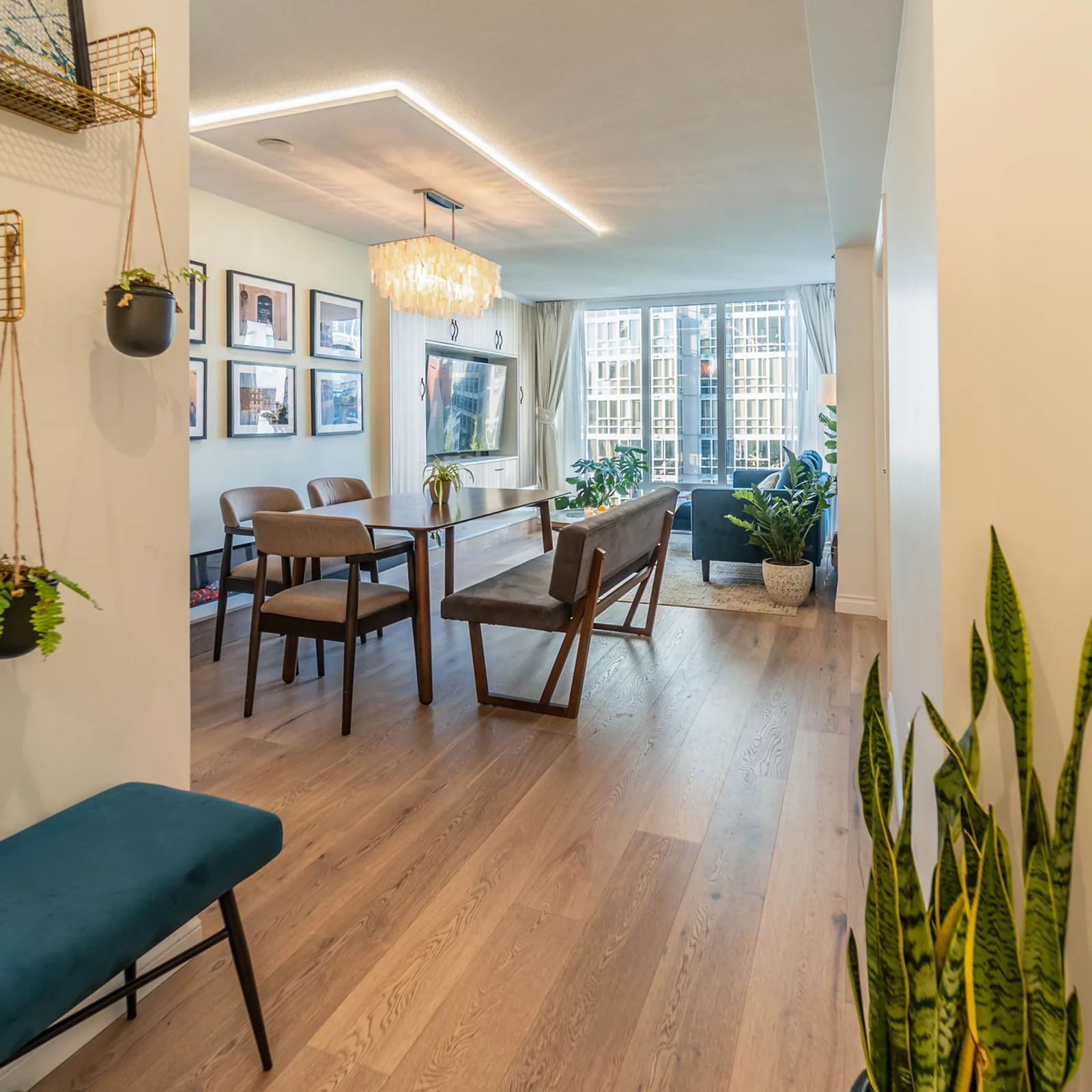
Costar's Yaletown Condo at 907 - 950 Cambie St, Vancouver, is listed in our gallery as a condo home renovation and staging project.
The Permit Process, Stage by Stage
-
Scope the Work
List every change: walls, sink location, new circuits, appliances, the range hood and the fuel for the range. This list decides which permits you need, so finish it before you order cabinets.
-
Strata Approval
In a strata, send your plan to the council and wait for written approval. Keep the approval letter with your project file.
-
Drawings and the Building Permit
A wall or structural change needs drawings. Burnaby's home improvement guide asks for an owner's undertaking (Schedule F), architectural drawings, and floor plans that show plumbing fixtures, appliances and the location of hardwired smoke and carbon monoxide alarms. Burnaby's home improvement permit page takes these applications online through its My Permits Portal. Other cities ask for their own lists.
-
Trade Permits
Your electrician, plumber and gas fitter each apply for their own permit before work starts. Technical Safety BC says that when you hire a licensed contractor, the contractor applies on your behalf. Ask to see each permit number.
-
Inspections
Technical Safety BC asks for gas inspections at each stage of construction and after the work is done. Under a Technical Safety BC homeowner electrical permit, the owner sends a declaration after each phase of work or every 180 days, whichever comes first. For a homeowner gas permit, at least one inspection must be requested within 180 days of the permit date. Burnaby asks that a printed copy of the permit and drawings stay on site for inspections.
-
Close the Permits
Ask each trade for the final inspection record for its permit. Collect every record before you make the last payment.
Factors That Change Your Permit Path
Moving the Sink
Keeping the sink where it is keeps the plumbing work small. Moving it to a new island needs new drain and water lines, and in Burnaby any change to the plumbing system needs a plumbing permit.
Adding Circuits
An island with outlets, a new wall oven or a range hood connected for the first time each adds electrical work. Technical Safety BC names the dishwasher, the over-range microwave and the hood among the items that need a permit to connect.
Changing the Range
A gas range that replaces an electric one needs a gas permit, because Technical Safety BC lists both a new gas range and new gas piping as permit work. An electric range that replaces a gas one is electrical work, so ask your electrician whether the range needs a new circuit, and ask a licensed gas fitter what the old gas line needs.
Opening a Wall
In Burnaby, changing a loadbearing wall, column or beam needs structural drawings with a Letter of Assurance. Any wall can hold wires, pipes or ducts that must be moved, and each of those moves has its own trade permit.
Living in a Strata
A condo or strata townhouse adds the bylaw approval step. Where Technical Safety BC issues the electrical and gas permits, it also adds the rule that a licensed contractor must do that work.
Practical Tips for Kitchen Permits
Get the Strata Approval in Writing. Standard Bylaw 5 asks for written approval, so wait for the letter before work starts.
Check Who Issues Each Permit. Look up your city on Technical Safety BC's jurisdiction page before you apply. A Richmond kitchen, for example, gets its gas permit from the City and its electrical permit from Technical Safety BC.
Ask for Every Permit Number. Each trade should give you its permit number before work starts. Technical Safety BC has a permit lookup tool for work under its permits.
Keep the Records. Technical Safety BC's homeowner permits page says permits are a legal requirement in BC and are often necessary for home insurance. It also says work done without a needed permit may result in enforcement action.
Confirm the Code Edition. Ask the permit office which code edition your application falls under before your drawings are final.
How Costar Handles Kitchen Permits
Costar's process page sets out five stages: design and planning, pre-construction, construction, handover and warranty. In pre-construction, by Costar's own account, final drawings go in for permits and approvals, and any issues are resolved before the start date and schedule are set. During construction, the client reviews details such as cabinets, flooring, electrical, lighting and plumbing, while Costar supervises the crew and the trades and arranges the rough-in work and the city inspections.
At handover, the process page says the client receives a project binder with manuals and a list of contacts for the trades and the appliances installed in the home. That binder is a good place for your permit numbers and final inspection records.
Our kitchen renovation service covers work across Metro Vancouver, and our Kitsilano Townhouse Renovation at 3737 West 10th Avenue is one of the home renovation and staging projects in our gallery. For a Vancouver project that also involves zoning, read our guide to multiplex zoning and permits in Vancouver, or start with our Vancouver area page.
Every kitchen starts with a list of changes, and that list decides the permits. Bring yours to a one-hour consultation and we will go through it with you. Tell us about your project today.
Related on this site: Kitchen renovations in Metro Vancouver · Our five-stage process · Book a one-hour project consultation