
Building a custom home in Vancouver is a large decision, and the home warranty is one part of it to understand before you sign a contract. In British Columbia every new home built by a licensed builder must carry home warranty insurance, often called the 2-5-10 warranty. This guide explains what the three tiers cover, the dollar limits, when coverage starts on a home built on your own lot, the rules for owner builders, and how to check a builder on BC Housing's public registry before you sign.
Everything below describes the provincial rules. It is general information, so read your own policy and ask your lawyer about your contract.
What the BC Home Warranty Is
The warranty is an insurance policy on the home itself. Section 22 of the Homeowner Protection Act says a person must not build a new home unless the home is registered for coverage by home warranty insurance from a warranty provider. A warranty provider is an insurance company that BC Housing lists as approved for this work.
The law also connects the warranty to your building permit. Section 30 of the same Act says a city must not issue a building permit for a new home unless the applicant shows that the home is covered by warranty insurance, or is exempt, and that a licensed residential builder or an owner builder will build it. In Vancouver, that check happens before the City issues your permit.
BC Housing's provider page lists five insurance companies that can offer this coverage for new construction, read on September 29, 2026:
- Aviva Insurance Company of Canada, represented by National Home Warranty Insurance Services
- Intact Insurance Company, represented by WBI Home Warranty Ltd.
- The New Home Warranty Insurance (Canada) Corporation, represented by Canadian Home Warranty Protection Program
- Travelers Canada, issued by St. Paul Fire and Marine Insurance Company
- Trisura Guarantee Insurance Company, represented by Pacific Home Warranty Insurance Services
The list can change, so check it again when your builder names a provider.
How the Warranty Fits Into a Custom Home Build
A custom home moves through the same steps as any build, and the warranty rules apply at five of them.
-
Choose a Licensed Builder
Section 14 of the Act says a person must not carry on the business of a residential builder without a licence. BC Housing's builder registry says that if you are building a custom home, you must hire a licensed builder with general contractor status. The regulation's definition of "general contractor" includes a construction manager and a project manager.
-
Register the Home Before the Permit
The builder enrols the home with a warranty provider. The City of Vancouver then needs that evidence before it issues the building permit, under section 30 of the Act.
-
Build to the Code
For warranty purposes, the regulation defines "building code" as the BC Building Code, or for a home in Vancouver, the Vancouver Building Bylaw, in force when your building permit was issued.
-
Coverage Starts at Occupancy
Coverage begins near move-in. The exact rule for a home on your own lot is in the next section, because it matters for every date that follows.
-
The Ten Years After
The three tiers run out one after another over the next 10 years. Section 15 of the regulation says the warranty provider must give you a schedule of the expiry dates for each coverage soon after coverage begins. Keep it with your house papers.
What Each Tier Covers
The minimum coverage is set out in Schedule 3 of the Homeowner Protection Act Regulation. A policy may give more, never less.
The 2-Year Materials and Labour Tier
For a detached home, the first 12 months cover any defect in materials and labour. The full 24 months cover defects in the electrical, plumbing, heating, ventilation and air conditioning systems, defects in the exterior cladding, caulking, windows and doors that may lead to detachment or material damage, and any defect that makes the home unfit to live in.
A breach of the building code counts in this tier only in two cases: when it creates an unreasonable health or safety risk, or when it has caused, or is likely to cause, material damage to the home. A small code mistake that harms nothing may fall outside the warranty.
The 5-Year Building Envelope Tier
The building envelope is the walls, roof, windows and other parts that separate the inside of the home from the weather. The regulation covers defects in the envelope for 5 years, including a defect that lets water in where it should not, in a way that causes or is likely to cause material damage.
The 10-Year Structural Tier
Structural coverage lasts 10 years. The regulation defines a structural defect in two ways: a defect in materials and labour that causes a load-bearing part of the home to fail, and a defect that causes structural damage which materially and adversely affects the use of the home as a place to live.
The Dollar Limits and What Counts Against Them
If a warranty provider sets a limit on claims, section 12 of the regulation says it must be at least:
- For a home in fee simple ownership (a detached house on its own title): the lesser of the original purchase price paid by the owner and $200,000.
- For a strata unit or a unit in a multi-unit building: the lesser of the original purchase price and $100,000.
BC Housing's homeowner summary gives the same two figures. Under section 12, the provider may count more than the repair itself against that limit: the cost of repairs, the investigation, engineering and design needed for the repairs, and the supervision of the repairs. Legal costs are left out of that total. Section 13 also says a policy must not make you pay a deductible for a covered defect, and must not make you sign a release before repairs are done.
If a repair on your home could cost more than that minimum, read the limit in your own policy. BC Housing's summary says some policies may provide additional coverage.
What Can Be Left Out
Sections 10 and 11 of the regulation list what a provider may exclude. For a custom home owner, four items stand out:
- Landscaping, fencing, detached patios and similar outdoor work.
- Detached structures that are not part of the home, such as a shed or a detached garage.
- Materials, labour or design that the owner supplied.
- Damage caused by the owner's own changes or poor maintenance.
The third item matters on a custom build if you plan to buy your own tile, lighting or appliances. Ask in writing how those items will be treated before they go in.
When Coverage Starts on a Home You Build on Your Own Lot
If you already own the lot and hire a builder, Schedule 3, section 4 of the regulation sets your start date. For a new home built by a residential builder on land owned by the owner, coverage starts on the earliest of three dates:
- The day you actually move in.
- The day the City grants an occupancy permit.
- The day the home is complete and ready for occupancy.
BC Housing's summary puts it as "occupancy or first occupancy permit, whichever comes first" for custom detached homes. For a home bought from a builder on land the builder owned, the start is instead the earlier of move-in and the transfer of title.
Write the start date down on the day it happens. Every expiry date after it depends on that one day.
If you sell the home later, the unused coverage goes with it. BC Housing's summary says the coverage stays with the home, and the remaining warranty transfers to the new owner.
The Owner-Builder Path
Some owners want to manage the build themselves. BC Housing's owner builder page says an owner builder is an individual authorized to build a new home for personal use, who does not need a builder licence or third-party warranty insurance. It also says an owner builder is personally liable for construction defects in the home for 10 years.
Section 4.1 of the regulation sets the rules to qualify:
- You must be an individual, and intend to live in the home for at least one year from first occupancy. Rental use does not count as personal use.
- You must hold a registered interest in the land, such as ownership, and keep it for at least one year from first occupancy.
- You must build, arrange or manage all or most of the construction yourself.
- If you have been an owner builder before, you must wait 18 months after the last home's first occupancy with one earlier authorization, 3 years with two, and 5 years with three or more.
- You must pass BC Housing's owner builder exam. The page describes 100 multiple choice questions in 100 minutes, a pass mark of 70%, and one attempt per application.
Section 19 of the regulation limits an owner builder to a detached home on one legal title, or a single home in or attached to an existing building. Subject to city bylaws, that home may include a secondary suite. The Act also limits when an owner builder may sell, and section 21 requires a disclosure notice to a buyer stating whether the home has warranty insurance.
How to Check a Builder on BC Housing's Registries
BC Housing runs two public registries, and a careful owner uses both.
Step 1: Check the Builder's Licence
Open the Public Registry of Licensed Residential Builders. You can search by licence number, company name, or the name of the person responsible for the company. On September 29, 2026 the page reported 8,269 licensed residential builders in good standing.
Look at two things on the result:
- Status. "Approved" means the licence is current and in good standing. "Conditional" means it is in good standing with conditions. "Suspended" and "Cancelled" mean the builder may not work as a residential builder. "Expired" means the builder has not renewed.
- Licence type. The registry says only builders with general contractor status may build residential buildings under Part 9 of the BC Building Code. A builder licensed only as a developer must contract with a licensed general contractor to build.
Step 2: Check the Home Once It Is Registered
The New Homes Registry lets you search by street address and city, legal description or parcel identifier. For a home registered with warranty insurance, it shows the builder or developer of record and the contact information of the warranty provider. BC Housing's guide to the registry says it covers homes registered since November 19, 2007.
On a custom home, this search works after the builder enrols your home, which happens before the building permit. Search your own address at that point, and check that the provider shown matches the one in your contract.
Practical Tips for Custom Home Owners
-
Search the Registry Before You Sign
Check the licence status and type for the exact company name on your contract. Section 14 of the Act says a licence is not transferable, so the name on the licence and the name on the contract should match.
-
Get the Warranty Provider in Writing
Ask any builder you are talking to, Costar included, to name the warranty provider for your home in writing before you sign a contract. Then check that name against BC Housing's provider list.
-
Read Your Full Policy
The regulation sets minimums. Your policy sets the real limits, exclusions and claim steps, and BC Housing suggests getting legal advice if you are unsure about your rights.
-
Keep Every Manual and Maintenance Sheet
Section 14 of the regulation says a maintenance exclusion applies only to maintenance steps the builder or provider gave the original owner. Keep what they give you, and follow it.
-
Report Defects in Writing, Early
Section 16 says you must give written notice with reasonable detail to both the warranty provider and the builder, within a reasonable time after you find a defect and before that tier ends. If water is coming in, section 17 says you must also take reasonable steps to limit the damage.
How Our Team Handles Handover and Follow-Up
Costar's process page says that at handover the team holds a joint pre-occupancy inspection with the client, gives an orientation on the home's features and maintenance, and hands over a project binder with manuals and a list of contacts for the trades and appliances. The same page says Costar returns for inspections at 3, 6 and 12 months to check that the home's systems are working.
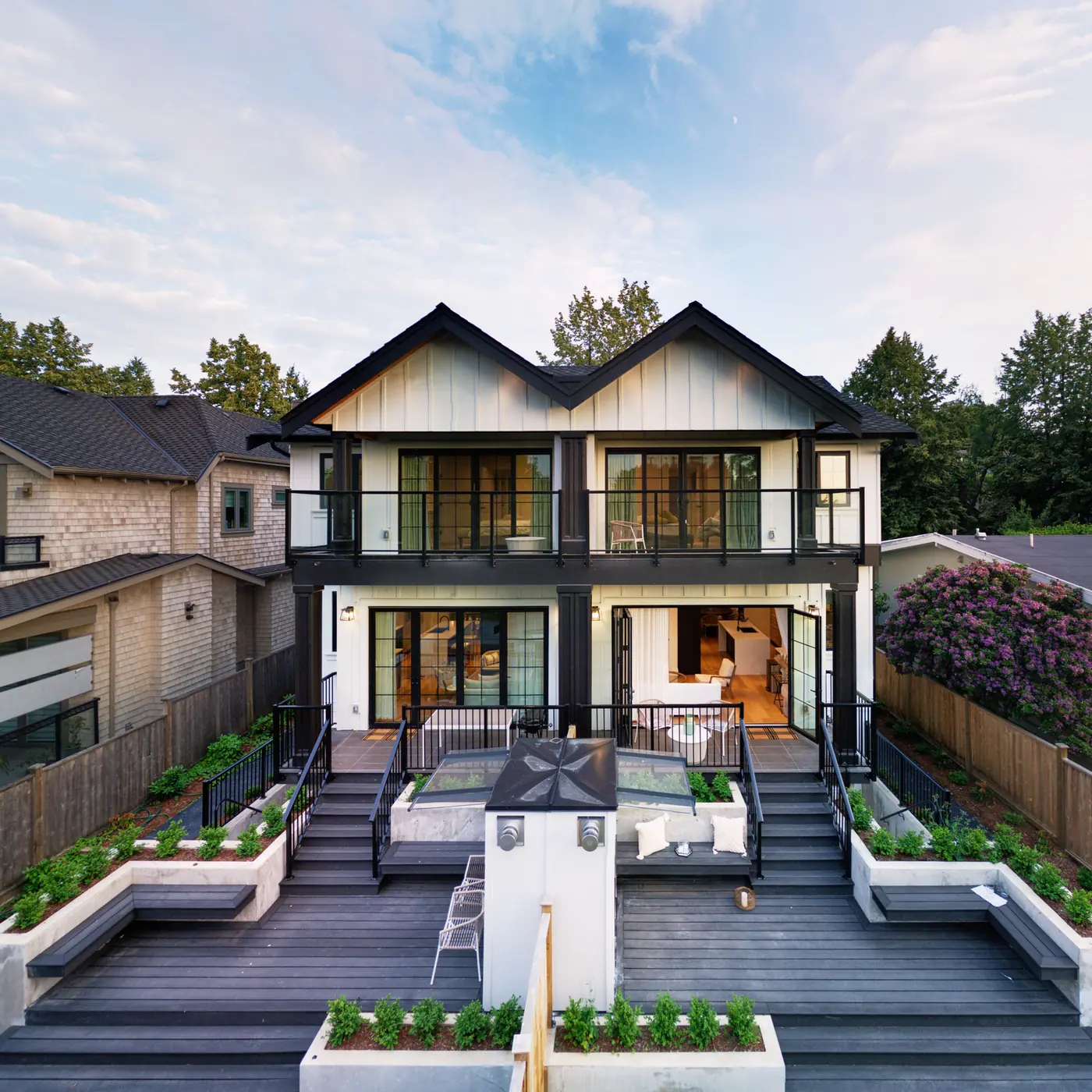
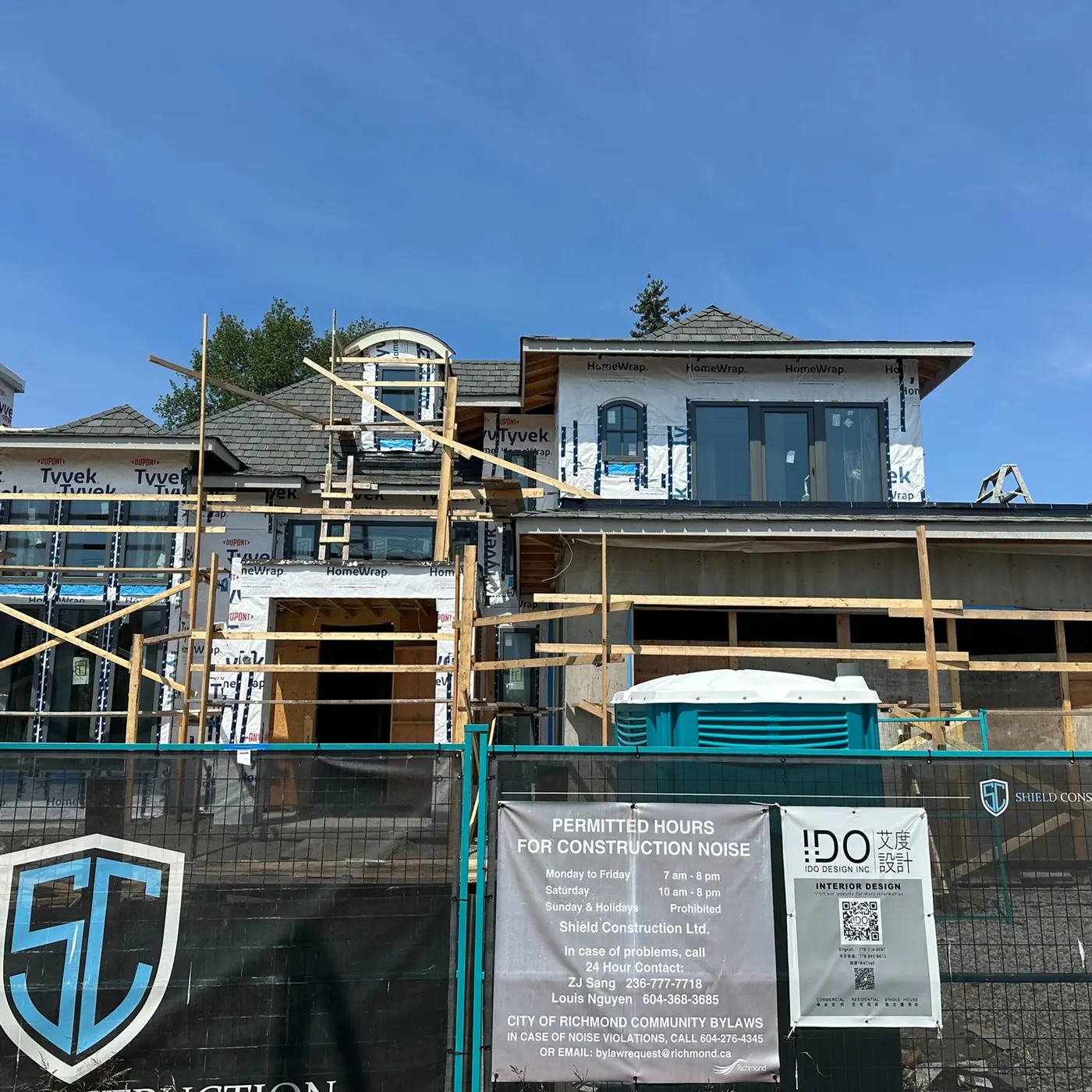
Warranty coverage, the provider and the terms that apply to your home are separate questions. Ask your Costar consultant to confirm them in writing before you sign. You can see a Costar custom home under construction on our Richmond Bowcock project page, and another Costar custom home on the Vancouver Dunbar custom home page. For the cost side of a build, read our guide to custom home costs in Metro Vancouver.
If you are planning a custom home in Vancouver and want to talk through the steps, tell us about your project today.
Related on this site: Custom home building in Metro Vancouver · Building in Vancouver · Book a one-hour project consultation