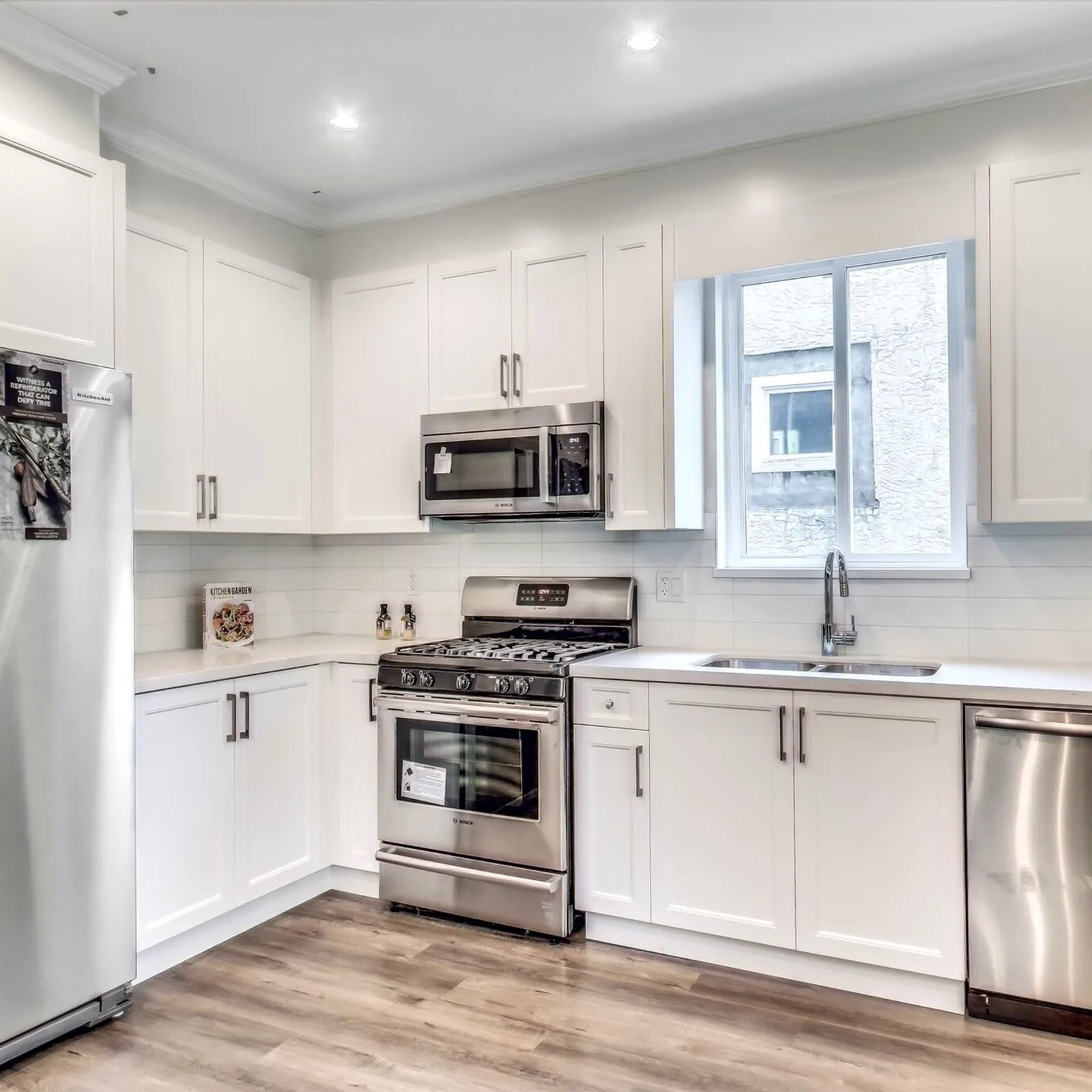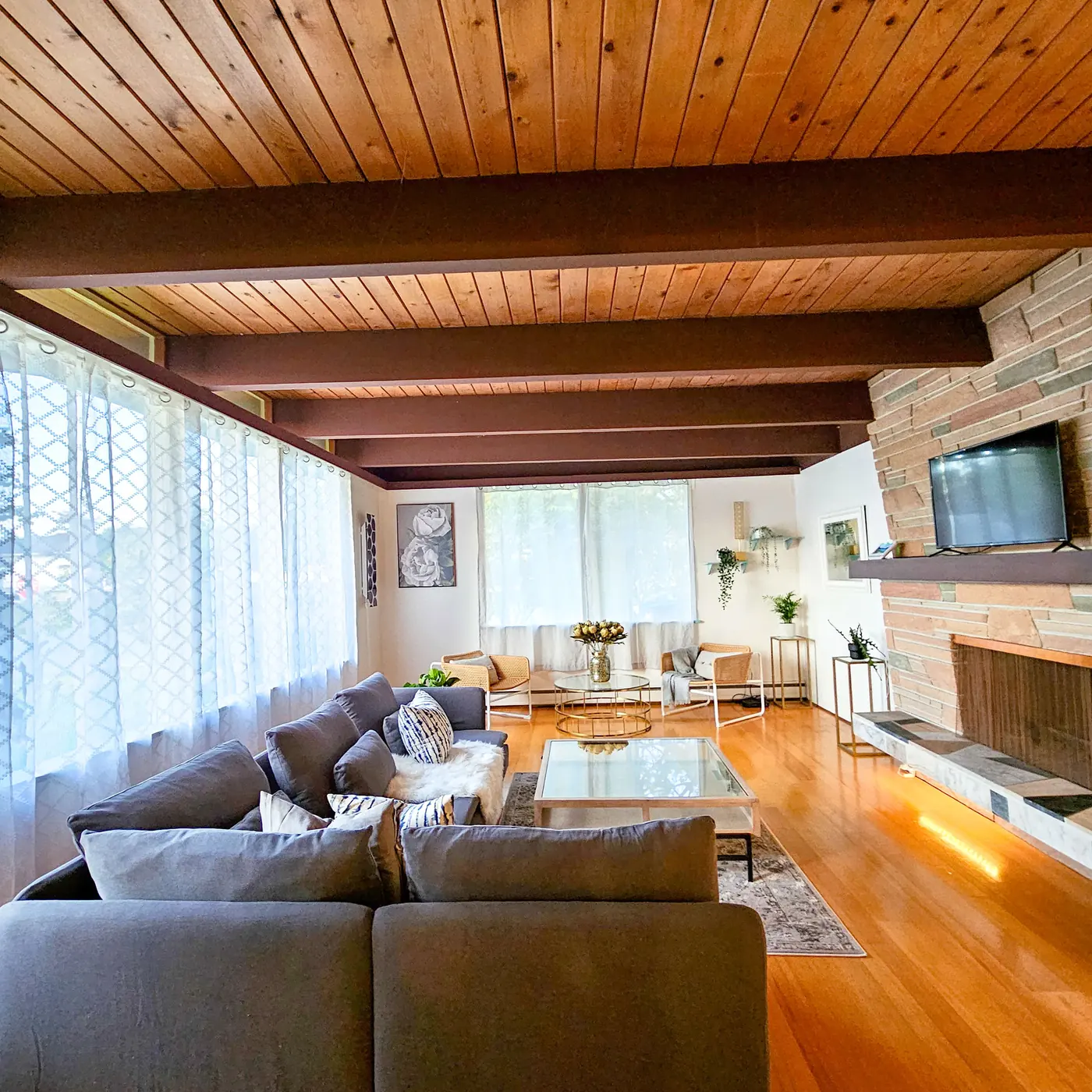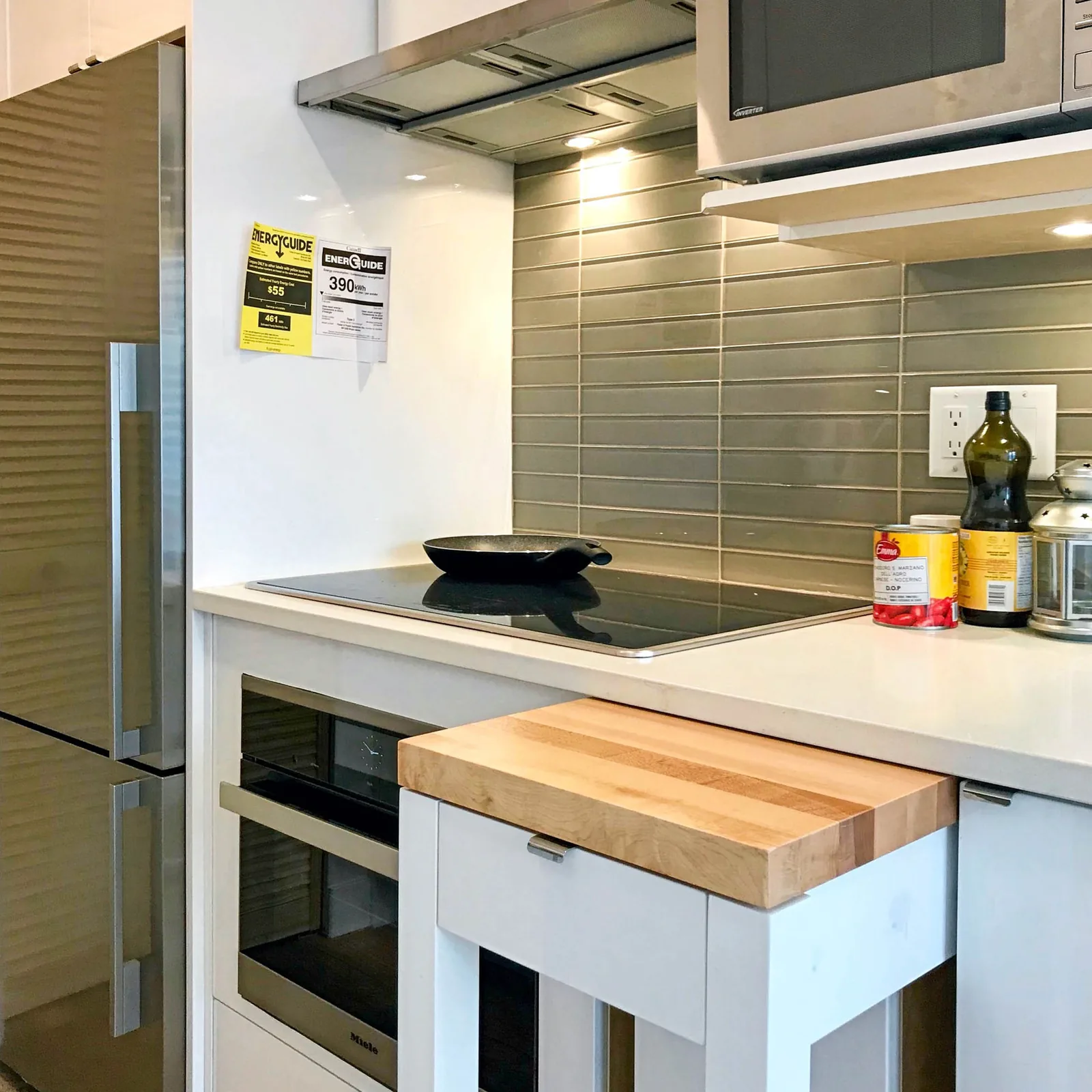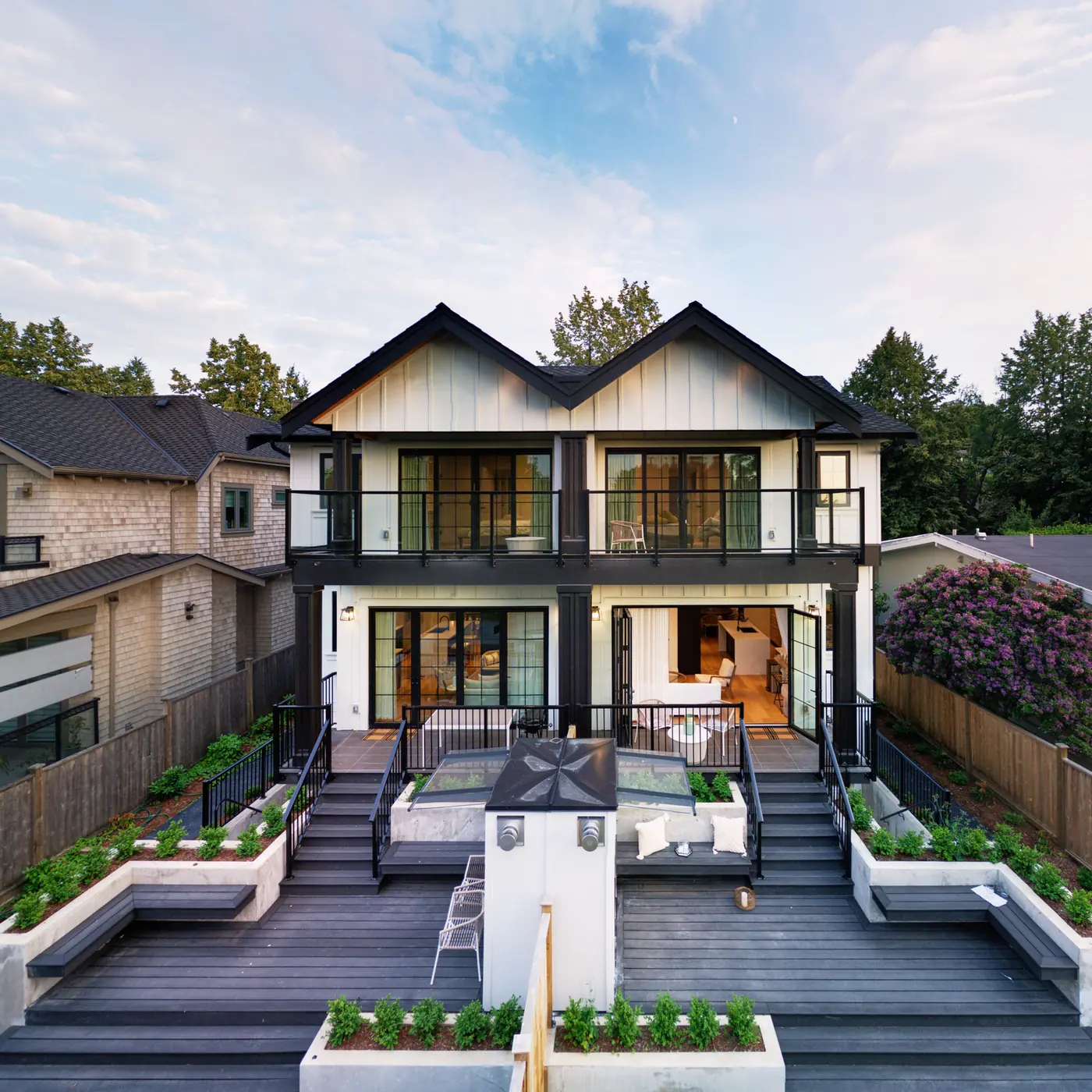

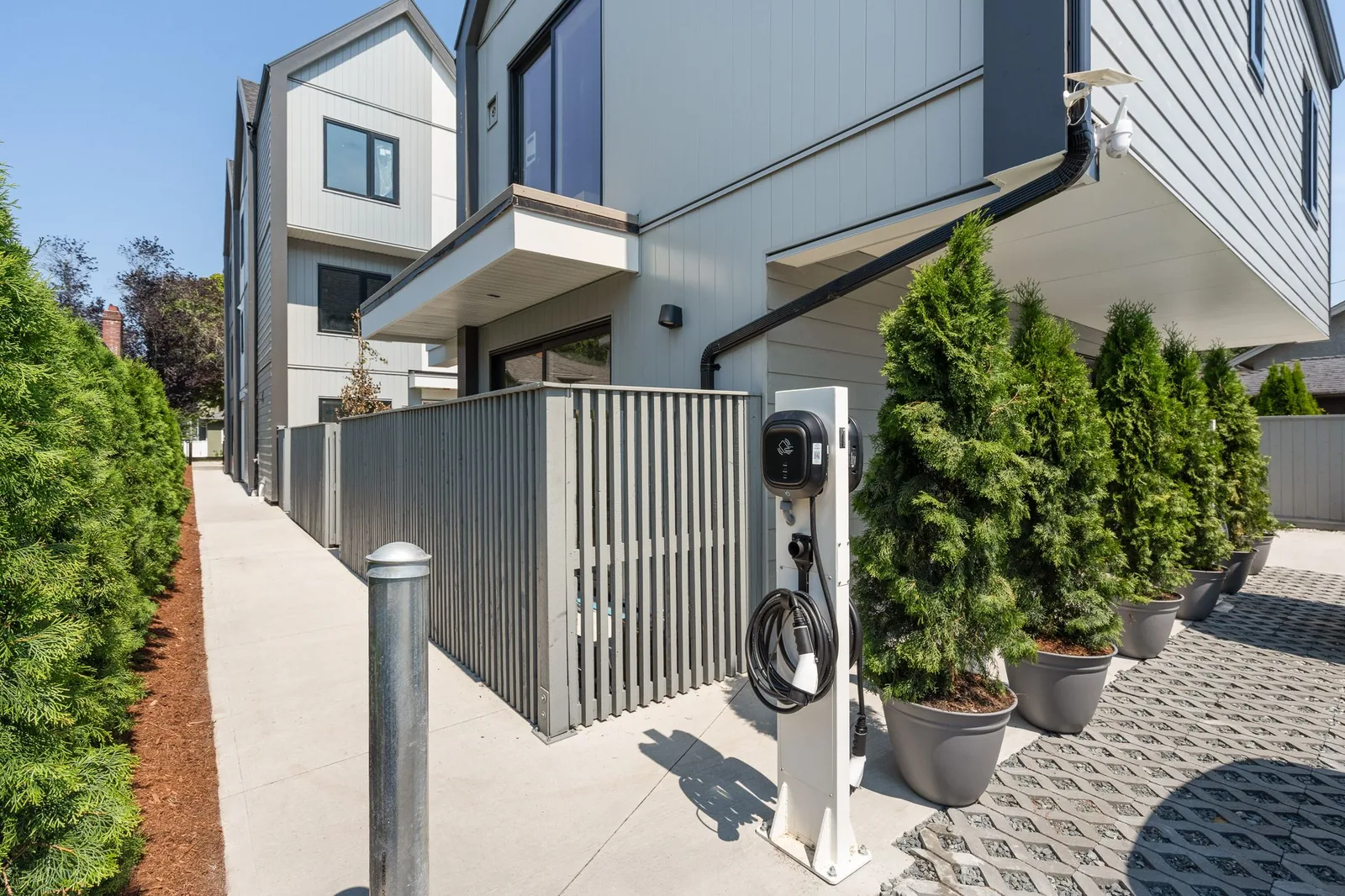
A multiplex puts several homes on one Vancouver lot, each with its own entrance. The builder you hire runs the daily work on site and leaves you a home your family may live in for many years. In this guide we walk you through the questions to ask a builder, and how to check each answer yourself on public lists the builder does not control.
Everything here is general information from BC law and the public pages we link. Have your own lawyer read any contract before you sign it.
Why You Check the Answers Yourself
A builder's website, brochure and sales meeting are the builder's own words. They show what the builder says about itself. A licence, a past home, an association membership or an award can each be confirmed by the body that keeps the record.
BC Housing wrote a guide for this, Hiring a Builder in BC: A Consumer Protection Guide, dated February 2025. It is written for custom homes, and in our experience most of its steps fit a multiplex too. We use it below, together with the registries it points to. The guide even asks you to make sure the photos on a builder's website show the builder's own projects.
Step 1: Check the Licence on BC Housing's Registry
Section 14 of the Homeowner Protection Act says a person must not carry on the business of a residential builder unless they are licensed. The Act defines a residential builder as a person who does, arranges for or manages all or nearly all of the construction of a new home, and that includes developers and general contractors.
What a Licence Requires
A licence tells you the builder met a set of minimum rules. BC Housing's qualification page says a new general contractor applicant must show 24 months of experience managing or supervising residential construction, gained within the past five years. The applicant must also show skill in seven areas, through approved courses with an exam or another review BC Housing accepts:
- the laws that apply to building;
- construction management and supervision;
- construction technology;
- customer service and home warranty insurance;
- financial planning and budget management;
- legal issues;
- business planning, management and administration.
The application page adds two more steps. The applicant needs acceptance from an approved home warranty insurance company. Every person in control of the company must also disclose any orders, penalties, convictions or judgments for fraud, broken contracts with consumers, or breaking certain other laws. After that, BC Housing's continuing education page says a general contractor must earn at least 20 training points in each one-year licence term to keep the licence in good standing.
How to Search
Open the Public Registry of Licensed Residential Builders. You can search by licence number, company name or the name of a person responsible for the company. You can also enter a location and a licence type to see every builder licensed in your area. On October 2, 2026, the page showed 8,022 licensed residential builders in good standing.
Read the licence type as well as the status. The registry says that if you are building a custom home, you must hire a licensed builder with general contractor status, and that a builder licensed only as a developer must hire a licensed general contractor to build. Our home warranty guide explains what each status word on the registry means.
Match the Name on the Contract
BC Housing's hiring guide says the name on your contract should match the name on the licence, and that the person who signs for the builder must have the authority to sign. Company names can be close to each other. When we searched our own name on OrgBook BC, the Province's public list of registered businesses, on October 2, 2026, it returned Costar Construction Inc. and several other active businesses whose names also start with "Costar". Copy the exact name and number from the licence, and compare them with the contract word for word.
Step 2: Search the Enforcement Registry and the Courts
A licence in good standing is the minimum. Next, look for problems the builder may not mention.
BC Housing's Enforcement Registry lists compliance orders, monetary penalties and Crown counsel convictions under the Homeowner Protection Act, and BC Housing updates it every month. The registrar can impose a monetary penalty of up to $25,000. Search the company name and the names of the people who run it.
The licence itself also reflects some history. Under the Consumer Protection Provision, the registrar can refuse to issue or renew a licence if a court found the builder in serious breach of a contract with a home buyer, if the builder was convicted of fraud in the past 10 years, or if the builder was under an order or judgment under one of 10 listed laws in the past five years. The Builders Lien Act and the Workers Compensation Act are on that list. The registry shows the licence status, but BC Housing does not publish the reasons.
BC Housing's hiring guide also suggests searching Court Services Online for court cases that name the builder, and asking for a WorkSafeBC clearance letter, which confirms the builder is registered with WorkSafeBC and up to date on its payments.
BC Housing's builder conduct page says its licence check covers training, experience and continuing education. Judging construction quality, craftsmanship and whether a builder fits your project is left to you. Steps 3 to 6 are how you judge them.
Step 3: Look Up the Builder's Past Homes
Ask each builder for a list of homes they have built, with addresses. Then search each address on BC Housing's New Homes Registry. The hiring guide gives this exact tip: check that each home is registered, and that the builder listed is the builder you are interviewing. For a home with warranty insurance, the registry shows the builder of record and the warranty provider. BC Housing's registry guide says it covers homes registered since November 19, 2007.
This matters on a multiplex because of the home warranty. BC Housing's hiring guide says a builder must be licensed and arrange home warranty insurance before the building permit or the start of construction, and that no private contract can waive the minimum coverage. It also describes what happens if the owner and the builder part ways before the warranty starts. The warranty provider may cancel its commitment to cover the home, and construction cannot go on until a new builder takes over and registers the home again. The guide says finding a builder who will take over half-finished work can be difficult. That is a good reason to choose with care at the start. We explain the warranty tiers and limits in our home warranty guide, so we will not repeat them here.
Step 4: Ask for References and Visit a Site Under Construction
BC Housing's hiring guide says to ask every builder for a few references, and to ask a builder with many homes for the contacts of its most recent clients as well as its best projects. It gives eight questions to ask each reference:
- Would you hire the builder again, and how were disagreements handled?
- Did the builder keep you informed, and were there surprises?
- How did the builder handle the changes you asked for?
- Did the builder work well with your neighbours?
- Was the site clean and safe during construction?
- Was the project on time and on budget, and what caused any delay?
- Did the results match what the builder promised?
- What was the builder's service like after you moved in?
On a Vancouver multiplex, question 4 deserves extra time. Your build sits between neighbours on a city lot for many months.
Then go and see the work. A finished home shows paint and finishes. A home in the middle of construction shows framing, wiring, plumbing and how the site is kept. Louis Nguyen, Costar's Director of Sales, put it this way in REW's multiplex guide: "If there's a builder or developer that is willing to take the public into a construction project midway through… that is usually a good indication that their system and their values are more transparent."
When you walk a site, look at how materials are stored, whether the walkways are clear, and how the crew answers your questions. The hiring guide says how a builder handles site clean up tells you about its organization.
Step 5: Ask How the Builder Tracks Cost and Schedule
A multiplex budget can be large, and it is spent over many months. Ask each builder to show you, with real documents, how they will keep you informed about money and time.
Ask How the Estimate Is Built
BC Housing's hiring guide says many builders give a rough estimate first, a more detailed one once there are building plans, and a final estimate once the building permit is issued. It warns that a one-page quote does not give you enough information. It also recommends a contingency fund of 10 to 20 per cent of the total project budget for costs nobody can predict.
Ask Who Runs Your Site
Ask who your main contact will be, and how often a construction manager will be on your site. The guide suggests direct supervision by a construction manager at least every other day. If a builder runs several projects at once, ask how that person's time is shared.
Ask to See Sample Documents
Ask for a sample contract, schedule and invoice from a past project. The guide says a builder's documents show how organized it is, and show you how often invoices will come. A builder who will not share them is on the guide's list of warning signs.
Ask How Changes Are Priced
BC Housing's guide says you will likely want to change something after you sign. It calls these changes change orders. Ask how a change is written down, priced and approved, and who on your side may approve it.
Step 6: Read the Written Contract Before You Sign
BC Housing's hiring guide lists the parts a homebuilding contract usually has. Read your draft against this list:
- Parties. Everyone on title for the property, the builder, and anyone allowed to give the builder instructions. If two spouses must approve change orders, the contract should say so.
- Scope of work. The design, materials and finishes, with the design plans attached to the contract.
- Termination. When either side can end the contract, and what each side then owes.
- Timing and delays. The expected finish date, the main milestones, and what happens when permits, weather or changes cause a delay.
- Payment. The total, the payment schedule and the holdbacks.
- Contract type. Fixed price, cost-plus, or construction manager. In a cost-plus contract, the builder charges the costs plus a fee for managing the work, so the contract must define what counts as a cost. The guide's example: if you later buy your own light fixtures, the builder may still charge its fee on them, because it still manages their installation.
- Change orders. The steps and the people who approve them, in writing.
- Deficiencies. The quality standard, and how faults will be fixed.
The holdback deserves one line here. Section 4 of BC's Builders Lien Act says the person who pays on a construction contract must keep back 10 percent of the value of the work or of the payment, whichever is greater, to protect trades and suppliers. Our guide to the holdback explains how it works. The hiring guide lists a builder who will not discuss holdbacks as a warning sign.
For a starting point, CHBA BC sells sample contracts, and the Canadian Home Builders' Association publishes a Get it in Writing! toolkit. BC Housing recommends a lawyer who works in construction law reviews the contract before you sign.
Step 7: Check Memberships in the Association's Own Directory
A builder may tell you it belongs to an association. BC Housing's hiring guide says membership can show a commitment to standards. Check it in the association's own list, because a logo on a website is the builder's own claim.
In Vancouver, the local association is the Homebuilders Association Vancouver (HAVAN). Its member directory is public, with an A to Z list of members. The Canadian Home Builders' Association of BC sends its own Vancouver member search to the same HAVAN directory from the "Find A Member" menu on chbabc.org. If a builder says it holds a CHBA BC designation, such as Certified Renovation Professional, CHBA BC publishes a list of active designation holders for 2026.
Two tips make the search reliable. Search part of the name, because a directory may use a different form of it. Our own HAVAN listing reads "Costar Construction Ltd.", while our registered name is Costar Construction Inc. Then search for a builder you know is a member as well. If that builder appears and the one you are checking does not, the directory does not support the claim. Ask the builder about it.
Step 8: Check an Award in the Awarding Body's Own List
The Georgie Awards are CHBA BC's awards for BC homebuilding. The Winners and Finalists page lets you choose a year and a category. Read three things: the year, the category, and whether the builder was a winner or a finalist. The list holds both, so check which one applies.
The awarding body's rules tell you what an award means. CHBA BC's 2024 winners release says that, for 2024, a project had to be built and marketed between January 1, 2022 and October 31, 2023, and that finalists and winners were chosen by a panel of out-of-province industry professionals, with the results checked by an independent accounting firm.
That same release lists Costar's project It Takes Two as the winner of Best Multiplex Home in 2024, with Design Work Group Ltd. as the associate company. An award is given to one project and one team. Ask any builder which project won, who worked on it, and whether the same people will work on your home.
How Our Team Answers These Questions
We think every family should run these checks on us as well. Costar's process page describes how we work, in our own words. In the first meeting, it says, you get the chance to interview us. In pre-construction, Costar and the client agree on a cost-plus arrangement "for transparency", set a budget and sign a written contract, and Costar uses CoConstruct software to track progress and expenses. During construction the page says the client may visit the site regularly and gets regular progress updates. At handover there is a joint pre-occupancy inspection and a project binder with manuals and trade contacts, and the page says we return for inspections at 3, 6 and 12 months.
Licences, insurance and the warranty provider for your project are facts to confirm in writing, from us or from any builder, before you sign. Ask your Costar consultant for each one, then check them on the registries above. You can see two of our Vancouver multiplexes on the Quintet Townhomes and We Killarney Townhomes project pages, and read how financing works in our guide to paying for a multiplex in Vancouver.
If you do one thing this week, search the exact company name of each builder you are talking to on BC Housing's registry, and write down the licence number and type. Then bring your questions to us. Tell us about your project today.
Related on this site: Multiplex construction in Vancouver · Custom home building in Metro Vancouver · Building in Vancouver · Book a one-hour project consultation