

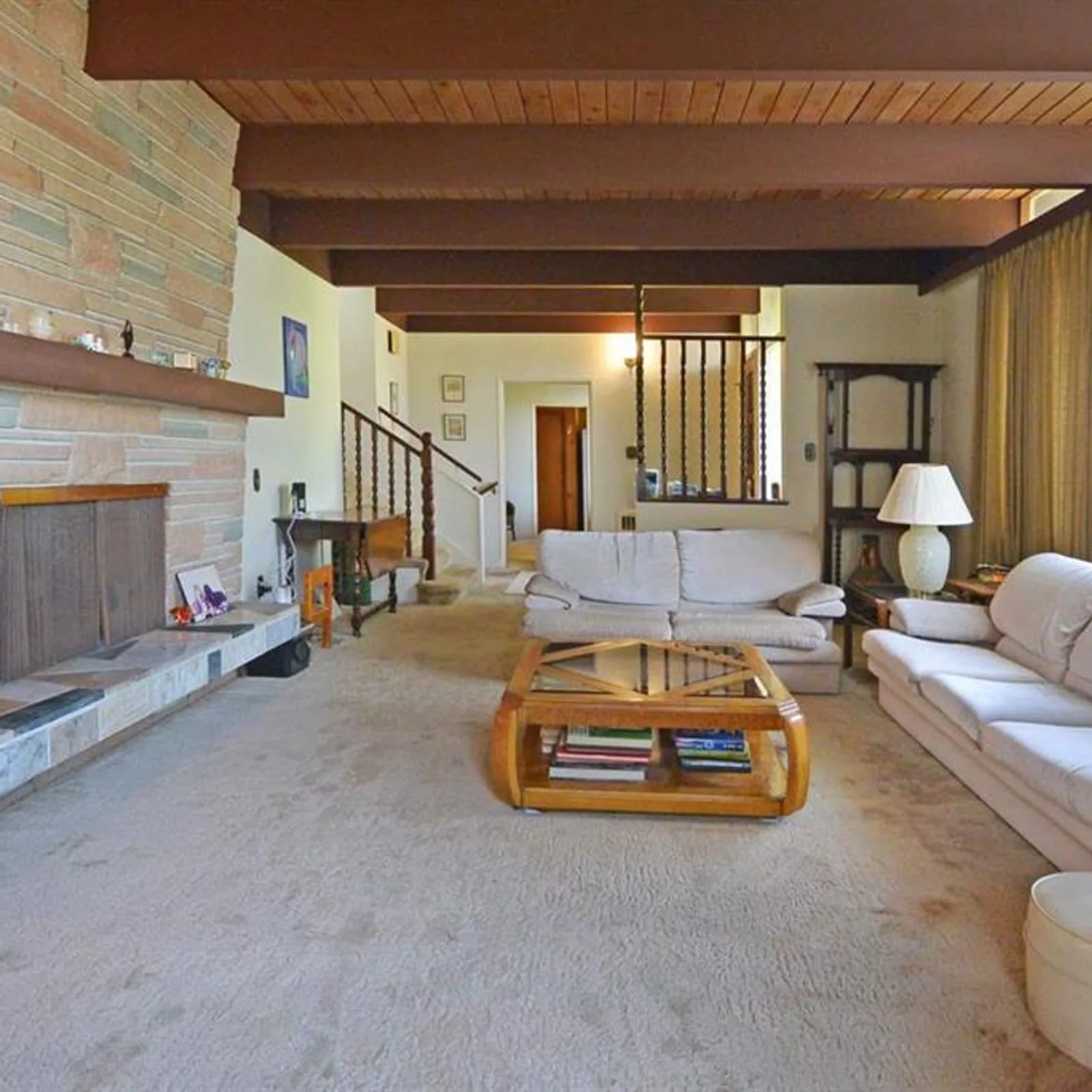
Deciding to Build
Should I Renovate My Old Vancouver House or Build a New One?
The short answer
Renovate when the house is sound and you mostly want new rooms, finishes or systems. Rebuild when you would replace most of it anyway, or when you want more homes on the lot: in Vancouver's R1-1 zone, a new multiplex can hold up to 6 homes on a lot with enough area, street frontage and a lane. Also know the legal test: BC Housing treats a renovated home as a new home once 75% or more of it is new, and then it needs a licensed builder and home warranty, the same as a new house.
Sources checked on November 8, 2026. Rules change, so confirm them before you act.
Start With Who Will Live There
When a family asks us this, we start with the people who will live there, then the building. Who lives in the house in five years? Are parents moving in, does a grown child need a place, would you rent out a suite to help with the mortgage? A renovation keeps the rooms where they are. A new build lets you plan each floor for the person who uses it, for example a ground floor with no stairs for grandparents.
Then look at the house itself: the foundation, the roof, the wiring, the plumbing and how much of the floor plan you would change. If the answer is most of it, read the next section before you choose.
When a Renovation Becomes a New Home in Law
BC's Homeowner Protection Act defines a new home to include a home that is or is being substantially reconstructed. BC Housing's Regulatory Bulletin 06 (October 2023) explains the test. In general, a home is substantially reconstructed when 25% or less of the original structure above the foundation remains, or when 75% or more of the reconstructed home is new. If the foundation is new too, the bulletin's guideline is 50% or more of the structure above it.
Once a project meets that test, it is no longer a renovation. It needs a New Home Registration Form, which means proof that a licensed builder has arranged home warranty insurance, or a formal exemption such as an Owner Builder Authorization. BC Housing says each case is examined on its own merits and it makes the final decision. So if your renovation plan replaces most of the house, ask your builder early whether it meets the test.
What Building New Allows on a Vancouver Lot
For a lot in Vancouver's R1-1 zone, the City's R1-1 district schedule (June 2026 version) allows a single detached house, a duplex, and a multiplex of up to 6 homes, or up to 8 when all of them are rentals. A multiplex is a conditional use, so the City reviews each one.
A multiplex is only allowed on a lot that has vehicle access from the rear, is outside a designated flood plain, and was a single lot on record before October 17, 2023 or was created by subdivision. The size and width of the lot set the number of homes. How many homes fit on your lot has the full table.
If Your House Is a Character House
There is a third path. The R1-1 schedule says retention of character houses is encouraged by allowing infill and multiple conversion dwellings where a character house is kept: you keep the old house and add homes inside it or behind it.
Keeping the house means keeping a set share of its structure. The City's character house retention bulletin (October 2023) says that to qualify for the zoning incentives, "approximately 40%" of the primary structure, meaning the exterior framing and sheathing, should be retained. Street-facing walls, the original roofline and distinctive exterior features are expected to stay. The same bulletin says that where an extensive renovation counts as reconstruction under the building code, a full building upgrade and a water and sewer connection upgrade are required.
Check the House Before You Choose
Many older Vancouver houses hold asbestos or lead paint. Under section 20.112 of BC's Occupational Health and Safety Regulation, before work begins on the renovation or demolition of a building, the owner and the employers must ensure a qualified person inspects it to identify hazardous materials, including asbestos and lead. You need the inspection on either path, so book it before you choose: what it finds is part of the decision.
Taxes can change too. The Canada Revenue Agency's guide RC4028 lets an owner who substantially renovated their house apply for the GST/HST new housing rebate. The CRA's test is that at least 90% of the building, other than the foundation, external walls, interior supporting walls, floors, roof and staircases, was removed or replaced. Ask your accountant how it applies to your plan.
Other Questions People Ask
Does a big renovation need home warranty insurance in BC?
Only if it counts as a new home. BC Housing's Regulatory Bulletin 06 says that in general a home is substantially reconstructed when 25% or less of the original structure above the foundation remains, or 75% or more of the reconstructed home is new. Renovations do not normally need a New Home Registration Form.
What is the smallest Vancouver lot that can hold a multiplex?
Under the City's R1-1 district schedule (June 2026 version), a multiplex of 3 or 4 homes needs a site of at least 306 m² with at least 10.0 m of street frontage, plus vehicle access from the rear. Confirm your lot with the City before design starts.
Do I need an asbestos survey before I renovate?
Yes. Section 20.112 of BC's OHS Regulation requires a qualified person to inspect a building for hazardous materials before work begins on its renovation or demolition.
Can I get a GST rebate on a renovated house?
Possibly, if the renovation is substantial. The CRA's guide RC4028 includes owners who substantially renovated their house, which means at least 90% of the building, other than its structure, was removed or replaced. Check the other conditions with your accountant.
Sources
Every rule and figure on this page comes from the pages below, each opened and read on the date shown.
- Regulatory Bulletin 06: Substantially Reconstructed Homes and the Homeowner Protection Act (October 2023)BC Housing. Checked 2026-11-08. The 25% and 75% tests, the 50% guideline with a new foundation, the New Home Registration Form and BC Housing's final decision.
- Homeowner Protection Act, SBC 1998, c. 31BC Laws, Province of British Columbia. Checked 2026-11-08. The definition of new home, which includes a home that is or is being substantially reconstructed.
- R1-1 Residential Inclusive District Schedule (June 2026 version, Internet Archive copy of September 15, 2026)City of Vancouver, Zoning and Development By-law. Checked 2026-11-08. Housing options in R1-1, the multiplex limits of 6 and 8 homes, conditional approval, the site conditions in section 2.2.7, and the character house intent.
- Retention and Renovation of a Character House: Scope and Documentation Bulletin (October 2023, Internet Archive copy of October 11, 2025)City of Vancouver. Checked 2026-11-08. The "approximately 40%" retention guideline, the elements expected to stay, and the full building upgrade for reconstruction.
- OHS Regulation Part 20, section 20.112 Hazardous materialsWorkSafeBC. Checked 2026-11-08. Inspection by a qualified person for hazardous materials before renovation or demolition.
- RC4028, GST/HST New Housing RebateCanada Revenue Agency. Checked 2026-11-08. The rebate for a substantially renovated house, and the 90% definition of substantial renovation.
Start the conversation