
Opening a wall in an older Metro Vancouver house can release material you cannot see. Asbestos and lead paint were both common in homes built decades ago, and BC law sets out who must look for them and when. In this post we walk you through the hazardous materials survey that comes before a renovation or demolition, the licensing rules for asbestos companies that started on January 1, 2024, and what Richmond, New Westminster, Burnaby and North Vancouver ask for before they issue a permit.
Why Older Homes Need a Survey First
WorkSafeBC's article on the new licensing rules says most asbestos building materials in BC were phased out by the early 1990s, with a small number still used after that. Its homeowner guide says asbestos fibres can be found in over 3,000 household materials. You cannot tell by looking at a material. WorkSafeBC's asbestos page says asbestos breaks down into small fibres as it ages or is disturbed, and those fibres can stay in the air for hours.
A textured ceiling is on the list. Many people call it a popcorn ceiling. WorkSafeBC's asbestos campaign page says asbestos was used in more than 3,000 building materials from the 1950s to the 1990s, and that materials that often contained it include drywall, textured ceiling coat, insulation, vinyl flooring and window putty. If your Vancouver house has a textured ceiling and you plan to scrape it, sand it or cut into it, ask a qualified asbestos professional to survey it first. WorkSafeBC says only qualified professionals can remove asbestos, so a lab result that finds it leads to a licensed abatement contractor.
Lead is the second common problem. WorkSafeBC's lead page says lead can still be found in many old homes, and that removing lead-based paint, or tearing down walls coated with it, releases lead dust into the air. The same page warns that work clothes brought home can carry lead dust to the family, which is a particular danger for children and pregnant women.
What the Law Requires
The rule sits in section 20.112 of the Occupational Health and Safety Regulation, which WorkSafeBC enforces. It covers the demolition of a building and the renovation of a building.
The section defines hazardous material as asbestos-containing material, lead or any other heavy metal, and toxic, flammable or explosive material that the work may handle, disturb or remove.
Before the work begins, all employers responsible for the work, and the owner, must have a qualified person inspect the building and the site. The owner is named in the rule. If you own the house, the survey is your responsibility as well as your contractor's.
The qualified person must:
- collect representative samples of material that may be hazardous;
- identify each sample and decide whether it is hazardous;
- record where each hazardous material is, using drawings or plans;
- write a report that lists the samples, the methods used and the quantity of each hazardous material found.
That report must be available at the work site. No demolition or renovation work that may disturb the hazardous materials can start, other than the work to contain or remove them, until they are safely contained or removed. A qualified person must then confirm in writing that this was done. If new suspect material turns up later, the same sampling and reporting steps start again for that material.
What a Good Survey Report Contains
WorkSafeBC's homeowner guide lists what you should receive. The report should give the survey date, the company and the surveyor, a description of the home and its recent renovations, and the materials in each room and on the exterior, such as siding, roofing and window putty. It should also show where each sample was taken.
The guide says a typical home should have 18 to 25 bulk samples, and if fewer were taken, the report should explain why. It asks for the lab's name, the test method, and the original lab results. A result shown as "less than 0.5%" or "trace" must be treated as asbestos unless further lab tests measured the exact amount.
How much of the house gets surveyed depends on the job. If the whole home will be demolished, all asbestos materials must be sampled and identified. If you renovate only a kitchen or a bathroom, only those areas need to be surveyed, as long as every material the work will disturb is covered.
The 2024 Licensing Change
Since January 1, 2024, asbestos abatement employers must hold a WorkSafeBC licence to operate in BC, and anyone doing asbestos abatement work must be trained and certified. WorkSafeBC's licence page defines abatement work to include identifying and sampling suspect material, assessing its risk, and removing, transporting or disposing of it. So the company that surveys your home needs the licence, and so does the company that removes the material.
The certificates come in four levels. Level 1 covers transport and disposal, Level 2 covers abatement work, Level 3 covers supervisors, and Level S covers asbestos surveyors. A certificate is valid for three years. Licensed companies appear on WorkSafeBC's Asbestos Abatement Licence Registry, so you can check a company before you hire it.
A general contractor whose own workers do no abatement work does not need the licence. WorkSafeBC says the prime or general contractor still coordinates all activities on a site with several employers, including any asbestos work done by another company.
What Your City Asks For
Each city adds its own paperwork. These are the rules we could open on September 29, 2026. Confirm them with your city before you apply, because forms are revised from time to time.
New Westminster
The City's demolition permit page says any building or detached structure over 10 square metres (108 square feet) needs a demolition permit, obtained before any demolition or abatement work starts. A building older than 50 years gets a heritage review before the City accepts the application. The application package includes a Hazardous Materials Declaration for the licensed abatement contractor to complete. It says the survey covers the area of work for a renovation and the entire site for a demolition. A clearance letter confirming that the hazardous materials are gone, and the WorkSafeBC Notice of Project number, must reach the Building Division before any inspections go ahead.
Richmond
Richmond's demolition permit application (revised February 12, 2026) asks, for buildings built before 1990 or where hazardous material may exist, whether the abatement has been done. Its checklist lists the Hazardous Materials Declaration Form, the hazardous material inspection report, a post-abatement inspection report unless nothing hazardous was found, and a Notice of Project sent to WorkSafeBC. The form makes the permit holder responsible for removing all hazardous materials before demolition.
Burnaby
Burnaby's demolition permit guide (revised September 25, 2024) tells owners to contact WorkSafeBC before applying, to find out whether a hazardous materials assessment is needed, and points to sections 20.112 and 20.113. The guide also says that taking down only part of a building, or interior partitions, needs a building permit instead of a demolition permit.
City of North Vancouver
The City's demolition checklist for commercial and multi-residential buildings (December 2024) lists the WorkSafeBC Notice of Project, a hazardous materials survey report from a qualified company, and a clearance letter confirming the asbestos listed on the Notice of Project was removed.
Vancouver
The City of Vancouver's permit pages refused our requests on September 29, 2026, so we do not quote its rules here. Ask the City's development and building services which hazardous materials documents your permit needs.
The Process, Stage by Stage
-
Book the Survey Early
Hire a licensed survey company before your design is final. The results can change your scope, your budget and your start date.
-
Read the Report
Check that the report covers every area your work will touch, lists the lab results and gives quantities. A report that skips a room you plan to open leaves a gap.
-
Hire a Licensed Abatement Contractor
The removal company must hold a WorkSafeBC licence, and its workers need certificates. WorkSafeBC says a Notice of Project must be submitted for all asbestos work.
-
Independent Air Testing
WorkSafeBC's homeowner guide says air samples during the removal should be taken by a third party who works for a lab or a consulting firm, and never by the abatement contractor.
-
Get the Clearance Letter
The guide lists what the letter should include: the dates, the address, the contractor, the scope of work, a reference to the survey, the waste manifest, the person who did the final visual inspection, and the person who collected the air clearance samples.
-
Apply for Permits and Start Work
With the letter in hand, your city can move forward, and your trades can start work in areas that are now clear.
Factors That Change the Cost and Timeline
The Age of the House
Richmond ties its questions to buildings built before 1990, and New Westminster adds a heritage review for buildings older than 50 years. An older house is more likely to need both a survey and removal work.
How Much You Open Up
A full demolition needs every asbestos material identified. A single room needs only that area surveyed. The more walls, ceilings and floors your plan touches, the more samples and removal work you should expect.
What the Lab Finds
The WorkSafeBC guide names drywall, floor tile, siding, roofing and window putty as examples of materials a survey describes and samples. Each positive result adds removal work, air testing and paperwork before trades can return to that area.
Practical Tips for Owners
Test Before You Design. A survey done early lets your designer plan around what is in the walls.
Check the Registry. Look up both the survey company and the removal company on WorkSafeBC's licence registry.
Ask the Right Questions. WorkSafeBC suggests asking each company about its licence, its workers' certificates, its local business licence, its insurance, and the accredited lab it uses.
Keep Every Document. Store the survey, the clearance letter and the Notice of Project number with your permit file.
Stay Out of Sealed Rooms. WorkSafeBC says rooms may be sealed off during removal, and you will not be able to use them until the work is done.
How Costar Handles Older Homes
Costar's process page says that in the design and planning stage we can help with a site inspection and advice on suitability, and that final drawings go in for permits and approvals during pre-construction. When an older house is part of the plan, the hazardous materials survey belongs in that early stage, before the start date is set. The survey and the removal are done by licensed specialist companies, and our construction manager coordinates their schedule with the rest of the trades.
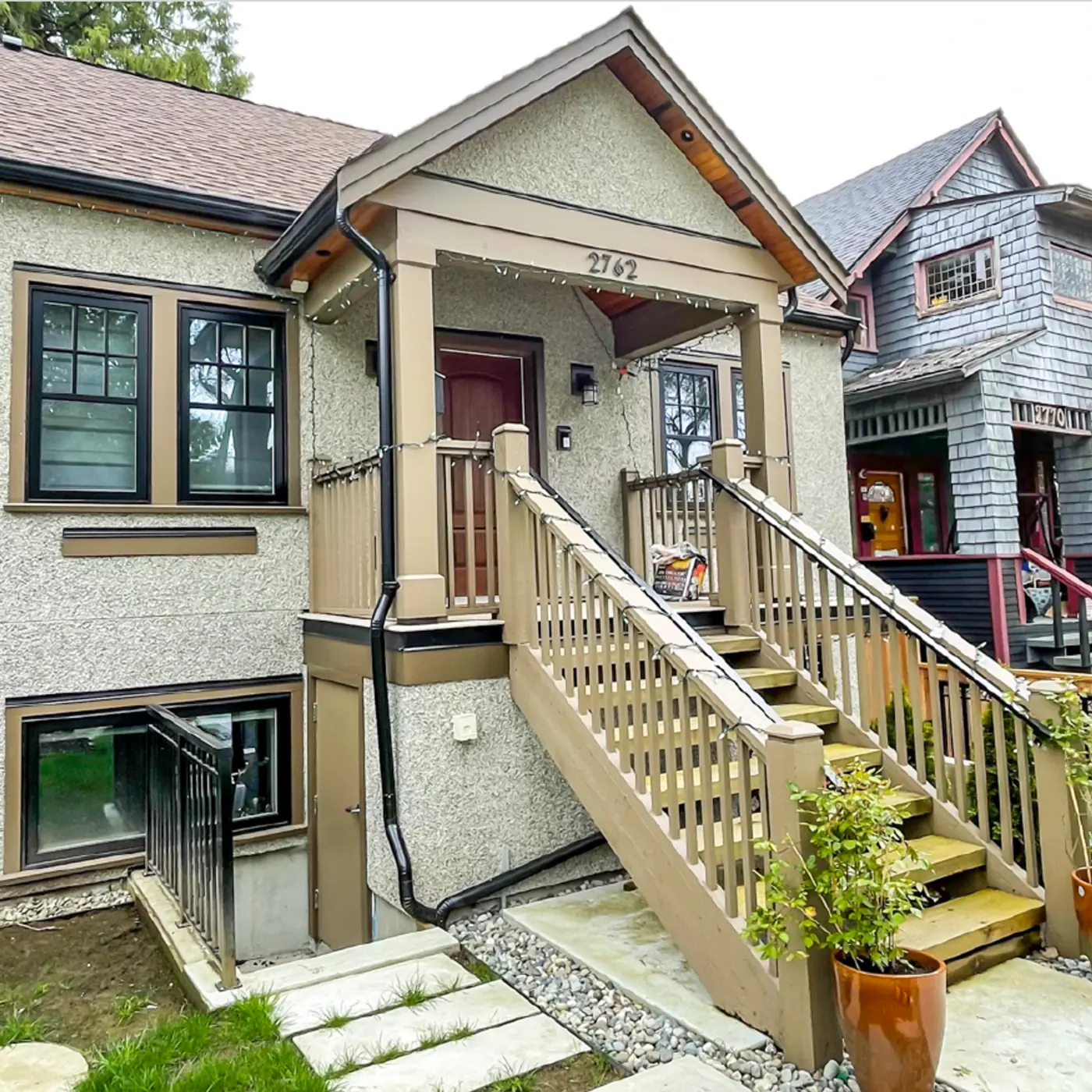
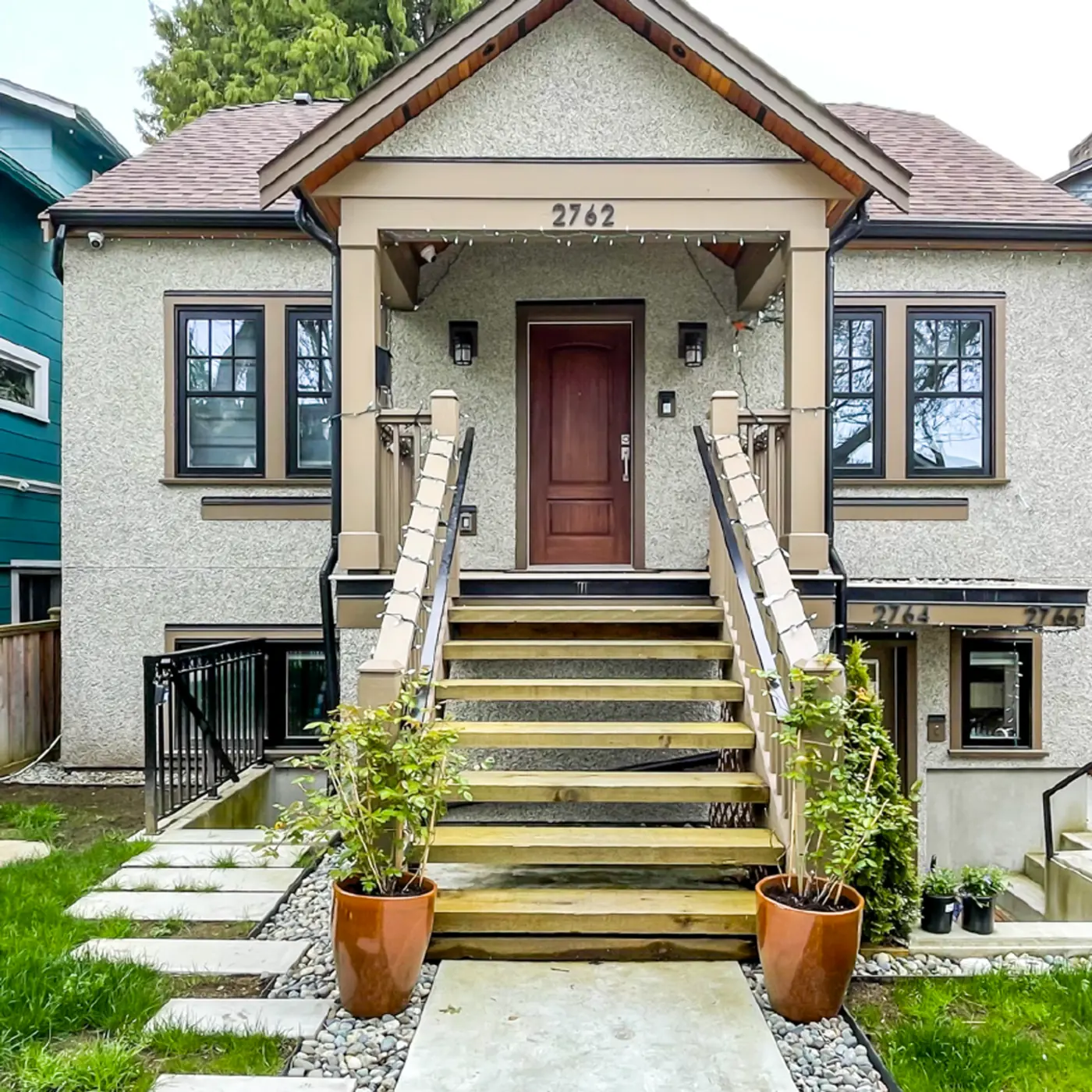
Our project gallery lists the Kitsilano Character Retention Build at 2762 West 10th Avenue, Vancouver, a single family project with construction and management in its scope. For more on a new house after a demolition, read our guide to custom construction costs in Metro Vancouver. If you plan a kitchen in an older home, our post on kitchen renovation permits covers the building and trade permits that follow the survey.
An older house needs the survey before anything else. Bring your plans and your house's age to a one-hour consultation, and we will go through the order of work with you. Tell us about your project today.
Related on this site: Custom homes in Metro Vancouver · Our five-stage process · Book a one-hour project consultation