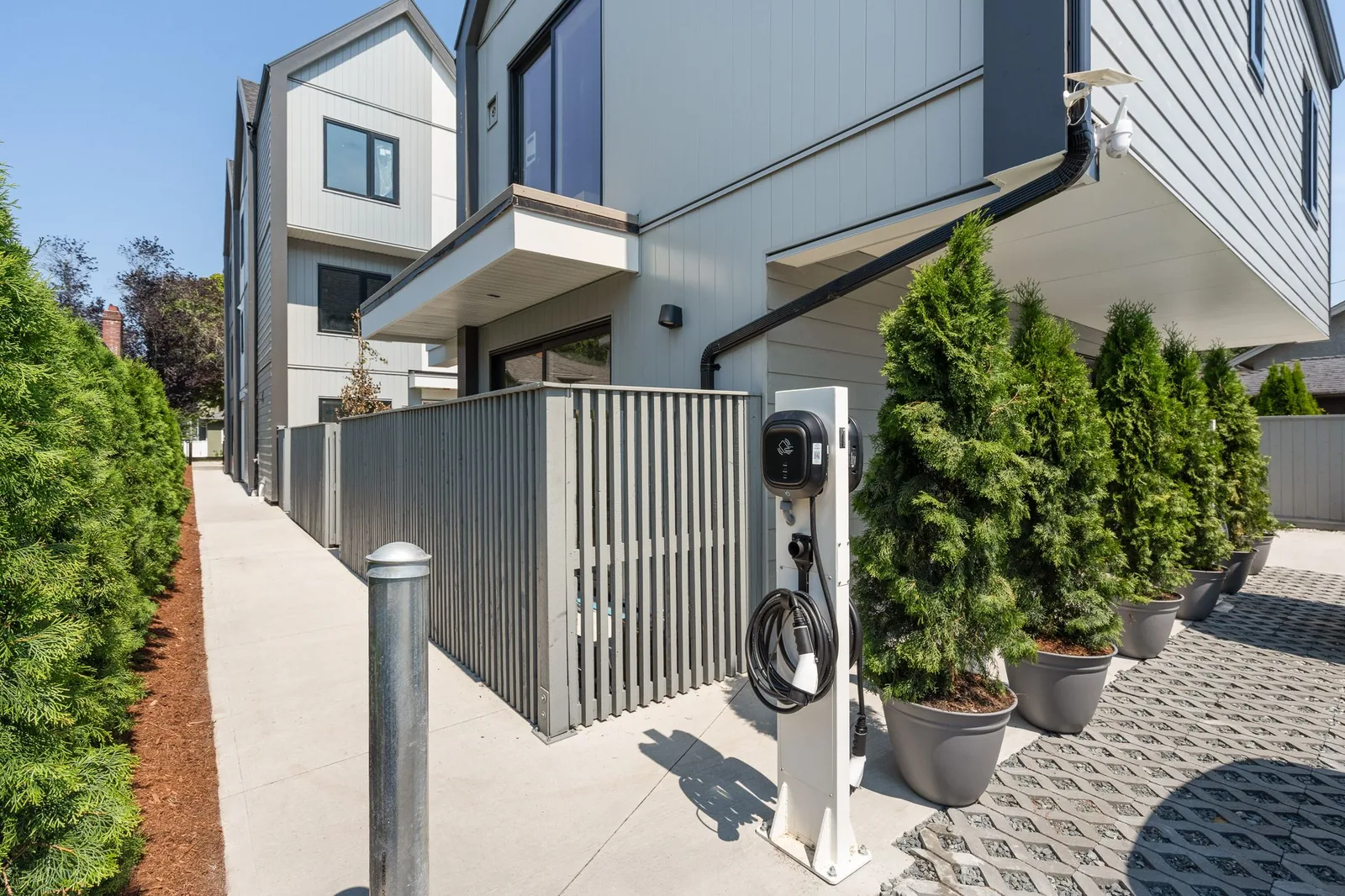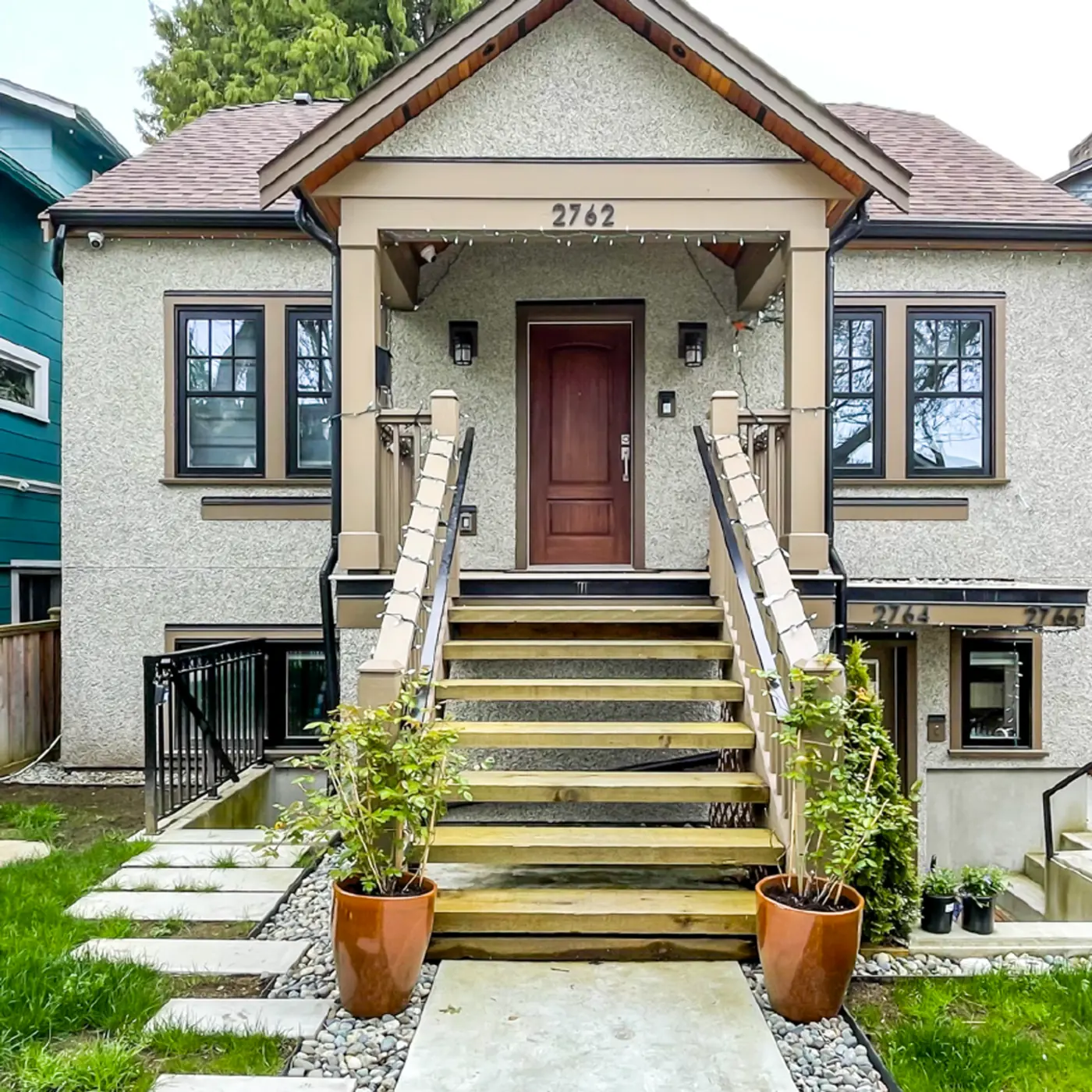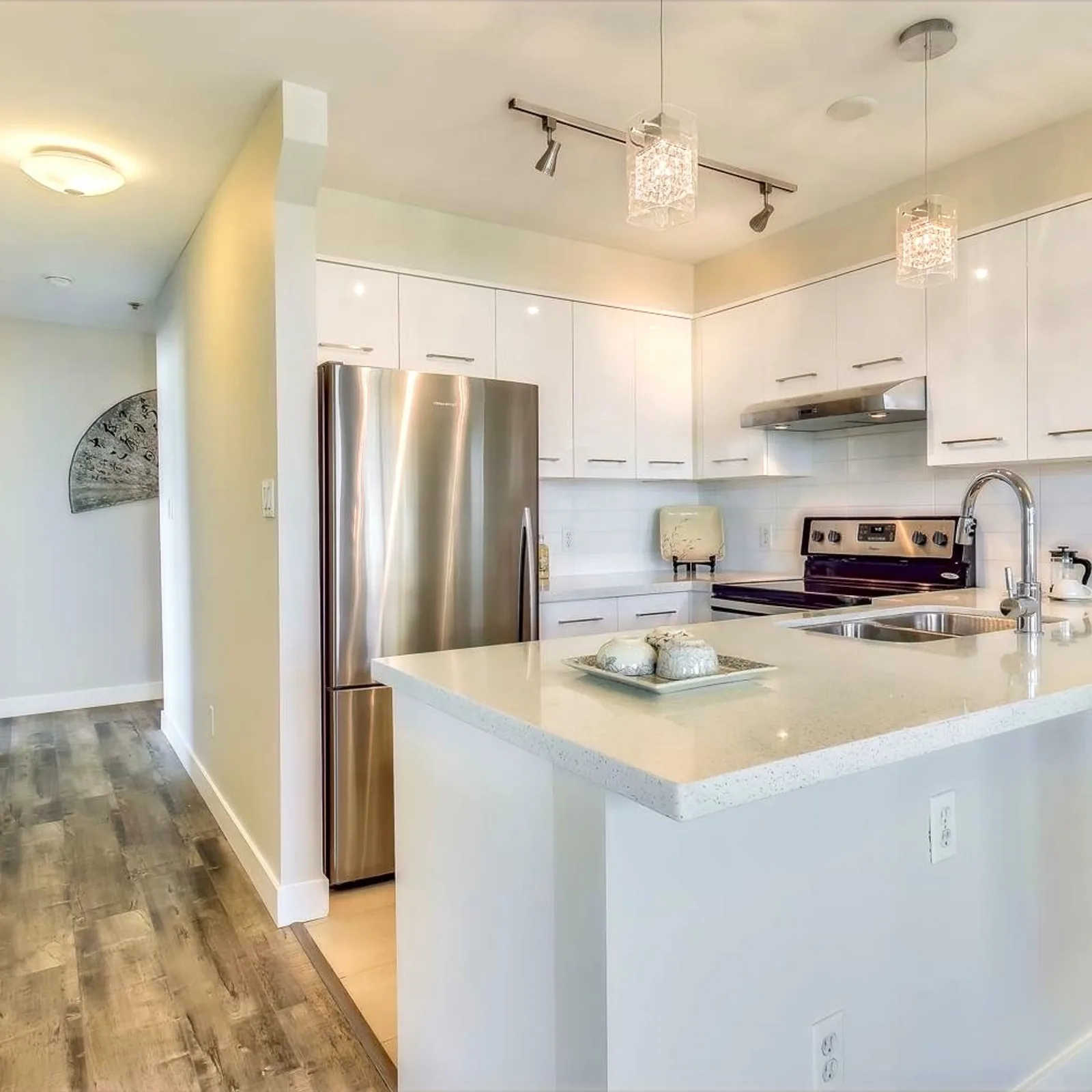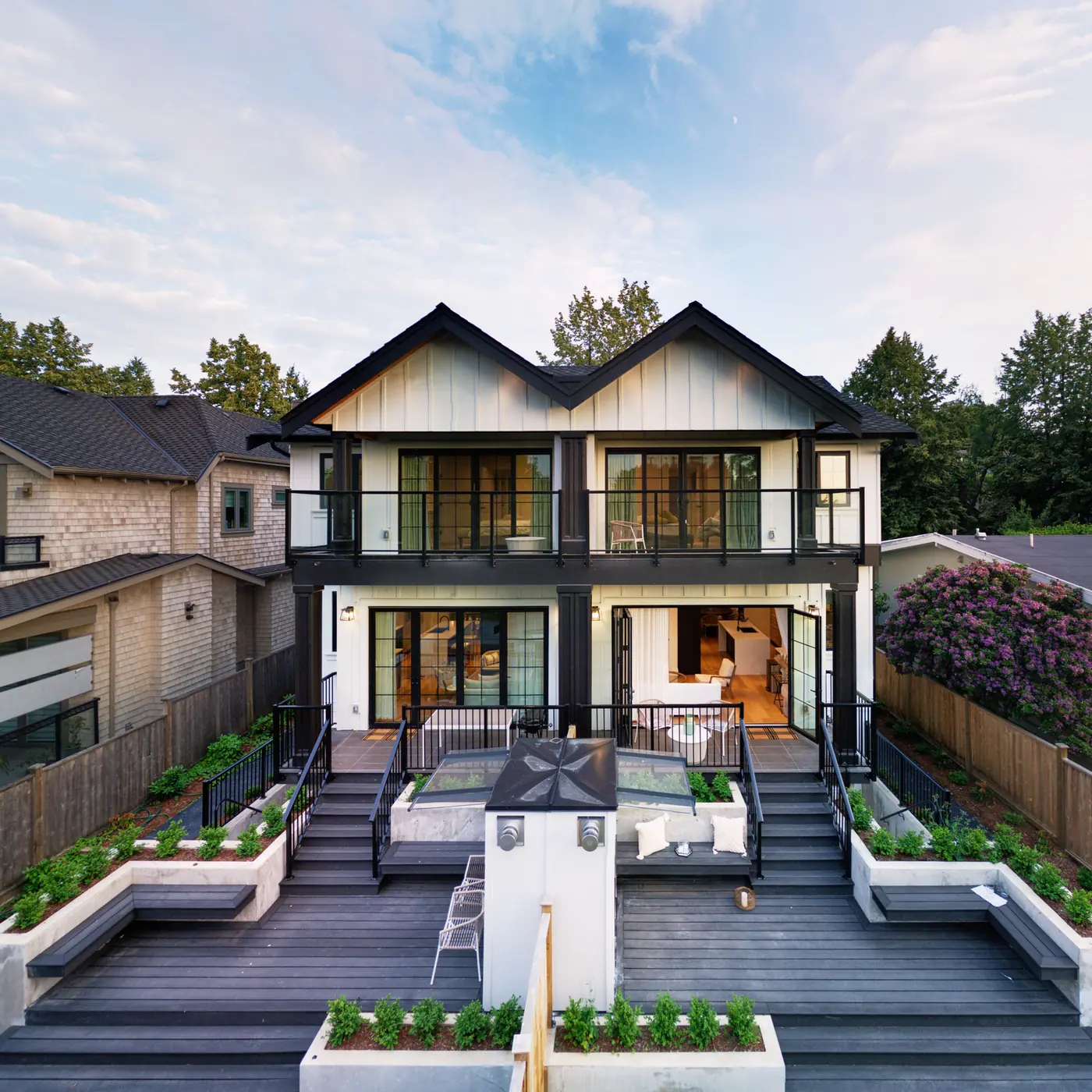

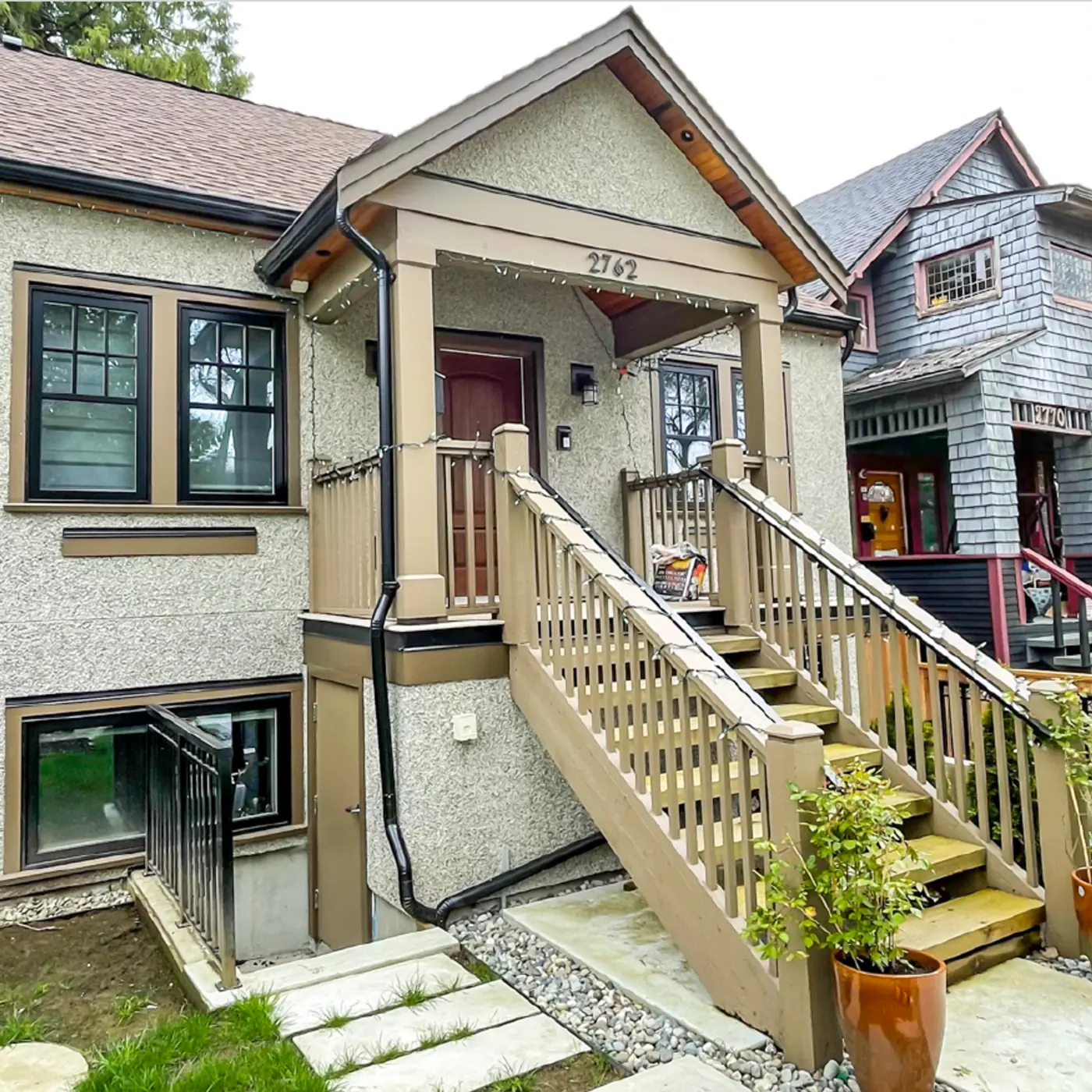
Some families in Vancouver want to build their own home and run the project themselves. BC allows this through an Owner Builder Authorization from BC Housing. You skip the builder licence and the warranty insurance, and you take on the builder's legal duties yourself for 10 years. In this post we walk you through who qualifies, the exam and the fee, the rules that apply after you move in, your safety duties on site under WorkSafeBC, and the other path: hiring a licensed residential builder.
Our post on the BC home warranty for a new custom home already explains the three warranty tiers, the dollar limits and the basic owner builder criteria. This post goes past those, to what life as an owner builder looks like from the first application to the tenth year after move-in.
What Is an Owner Builder in BC?
BC Housing's owner builder page describes an owner builder as an individual authorized by BC Housing to build a new home for personal use. Owner builders are exempt from builder licensing and from arranging third-party home warranty insurance. In return, you must build or directly manage the construction yourself, and you are personally liable for any construction defects in the home for 10 years.
The law behind this is Part 7 of the Homeowner Protection Act. Section 20 lets the registrar at BC Housing issue the authorization to a person who meets the criteria and pays the fees. Section 20(3) says the owner builder does not need home warranty insurance or a licence for that home.
BC Housing's Regulatory Bulletin 4 says you need the authorization before construction starts, in every part of BC.
Who Can Be an Owner Builder, and What Can You Build in Vancouver?
Section 4.1 of the Homeowner Protection Act Regulation sets the criteria. Our warranty post lists the main ones: an individual, personal use for at least one year, a registered interest in the land, managing all or most of the work, the waiting periods for repeat owner builders, and the exam. A few details matter for a Vancouver family:
- What "registered interest" means. The regulation counts ownership (fee simple), a life interest, or a lease of at least 15 years, registered at the Land Title Office.
- Who lives with you counts. You must not ordinarily live with a person who is still inside their own waiting period from an earlier authorization. BC Housing's bulletin says people living in a suite in the home count as ordinarily resident.
- Personal use means you live there. The regulation says rental use does not count.
- The application asks who will build and who will manage. It also asks you to confirm that you have read the statutory protection section of the Act and understand your duties to future buyers.
Only One Home on the Lot
Section 19 of the regulation limits what an owner builder may build: a detached home under one legal title, or a single home in or attached to an existing building or a new non-residential building. Subject to local bylaws, that home may include a secondary suite.
This matters in Vancouver, where many families now look at a multiplex. A multiplex holds several homes, so it falls outside section 19. If your plan is a multiplex for three generations of your family, you need a licensed builder and warranty insurance. Our guide to multiplex zoning and permits in Vancouver covers the City side of that plan.
BC Housing's Owner Builder Exam Guide (March 2026) also reminds applicants that in Vancouver the building rules come from the City of Vancouver Building By-law, which Vancouver uses in place of the BC Building Code.
The Steps From Application to Building Permit
-
Read the Bulletin
BC Housing asks you to read Regulatory Bulletin 4 before you decide. It sets out every criterion and your duties under the Act.
-
Apply and Pay the Fee
You apply through BC Housing's Owner Builder Portal. Schedule 1 of the regulation sets a $50 application fee and a $375 issuance fee. Bulletin 4 gives the total as $425 and says the $50 part is not refunded if the application is rejected or withdrawn.
-
Pass the Exam
After BC Housing confirms you are eligible, it sends you an eligibility letter. The exam page says the exam has 100 multiple choice questions in 100 minutes, no reference materials, and a pass mark of 70%. You get one attempt per application. You can write it online with a remote proctor on a desktop or laptop with a webcam, or in person at a test centre. It covers construction basics and your legal duties under the Act.
-
Get the New Home Registration Form
If you are approved, BC Housing sends you a New Home Registration Form confirming your home is exempt. If you are not approved, you get written reasons and can ask for a review within 30 days. After that period, BC Housing processes a $375 refund. The exam guide says you may reapply right after you hear the decision.
-
Apply for Your City Permit
Section 30 of the Act says a city must not issue a building permit for a new home without evidence that it is covered by warranty insurance or exempt. BC Housing's exam page says you need the New Home Registration Form to get your building permit, so you take it to the City of Vancouver with your application.
-
Report Move-In and Your Trades
When the home is first occupied, you give BC Housing the occupancy date and the list of tradespeople who worked on it, through your online account. Bulletin 4 says that in a city that issues occupancy permits, the permit date starts your 10-year liability, your one year of personal use and your waiting period for any future authorization.
You Must Run the Build Yourself
This rule decides whether the owner builder path fits your family. BC Housing's Regulatory Bulletin 25 says that if an owner builder hires a builder, construction manager, project manager or anyone else to build or manage the home, the owner builder breaks their declaration under section 4.1(2)(f) of the regulation. A hired builder who is not licensed commits an offence and could face a monetary penalty of up to $25,000.
You can still hire trades. Bulletin 25 says a licensed builder who takes on no more than two separate trade contracts, such as framing and roofing, would likely not trigger the warranty requirement. A builder whose work covers two of the three warranty parts (finishing and mechanical systems, the building envelope, or the structure) has likely triggered it, and must stop and call BC Housing's Compliance department.
If the registrar finds you did not manage all or most of the work, the authorization can be cancelled. The suspension page says construction then cannot continue, and the home cannot be offered for sale or sold. BC Housing says its investigators run random audits, including site visits. Bulletin 25 adds that if your authorization is cancelled and the home has no warranty insurance, nobody can legally sell it or offer it for sale within 10 years of first occupancy.
The Rules After You Move In
Live There for 12 Months Before You Sell or Rent
Section 20.1 of the Act stops an owner builder from selling or offering to sell the home during construction or within the prescribed period after it is built. Section 4.1(4) of the regulation sets that period at 12 months. BC Housing's buying and selling page says you cannot rent the home during that year either.
If you face undue hardship, you can ask BC Housing for permission to sell earlier. You send the Permission to Sell form, a $100 processing fee and documents that support your request. BC Housing says it does not give approvals lightly and may set conditions.
Give Buyers the Disclosure Notice
Section 21 of the Act requires a disclosure notice before you sell during the period when warranty coverage would have applied. BC Housing says you must give any prospective buyer an Owner Builder Disclosure Notice within the first 10 years after occupancy, and before you sign a purchase and sale agreement. The notice tells the buyer that the home was built under an Owner Builder Authorization, when the 10-year period started, and whether a voluntary warranty policy is in place.
BC Housing releases the notice only after it verifies your one year of occupancy, so report your occupancy date early. Each later owner who sells within the 10 years must also give the notice. BC Housing says an owner builder who fails to give it could face a monetary penalty.
Your Promise to Every Later Owner
Section 23 of the Act is the part to read slowly. It treats an owner builder as having promised the owner of the home, whoever that is over time, that the home is free from:
- defects in materials and labour for at least 2 years,
- defects in the building envelope, including water getting in, for at least 5 years,
- structural defects for at least 10 years,
each counted from the date the first occupancy permit was issued, or from first occupancy where no permit was issued. Section 23(2) says any contract term that tries to waive or limit this promise has no effect. A legal action must start within 10 years after first occupancy.
BC Housing's Bulletin 5 says the protection lets later buyers take legal action against the owner builder to correct defects, with some exceptions, such as defects caused by someone other than the builder, or natural disasters. BC Housing's page puts it plainly: there is no third-party insurance policy behind you, you deal with the new owner directly, and a court case may be the only remedy.
An owner builder may buy a voluntary home warranty policy. Bulletin 4 says an owner builder who does so is not subject to the statutory protection, and section 23(7) of the Act says the section does not apply to a home covered by warranty insurance.
Your Duties on Site Under WorkSafeBC
When you run your own build, you are also the person in charge of a worksite. WorkSafeBC's homeowners page says a homeowner acting as the prime contractor on the construction of their own home is subject to the health and safety parts of the Workers Compensation Act, and may need to register with WorkSafeBC.
The Workers Compensation Act defines the prime contractor at a site with workers from 2 or more employers. It is the person who signs a written agreement with the owner to take that role or, with no such agreement, the owner. Section 24 says the prime contractor must make sure the health and safety work of every employer on site is coordinated, and must do everything reasonably practicable to keep a system that meets the law. Section 25 says every owner must keep the land safe for people at or near the site and must tell employers about hazards the owner knows of.
Part 20 of the Occupational Health and Safety Regulation adds two duties that often apply to a new house:
- Notice of Project. Section 20.2 says the owner, or the prime contractor the owner engaged, must make sure WorkSafeBC receives a written notice at least 24 hours before work starts if any listed condition applies. The list includes an estimated cost of labour and materials over $100,000, and an excavation, other than a trench, deeper than 1.2 metres.
- A site coordinator. Section 20.3 says that where the work of 2 or more employers overlaps and creates a hazard, and more than 5 workers are on site in total, the owner or prime contractor must appoint a qualified coordinator and keep a site drawing and safety procedures on site.
Get a Clearance Letter for Each Trade
WorkSafeBC's homeowners page tells you to get a clearance letter for each contractor. Without it, you could be held jointly liable for premiums a contractor did not pay for the time they worked for you. WorkSafeBC's clearance letter page says to get one before and after the work, and that the letter must confirm the contractor was "active and in good standing" for the whole contract period.
Insurance for the Build
BC Housing's hiring guide explains that a builder's commercial general liability policy protects against claims from other people during construction, for example damage to a neighbour's property or a visitor hurt on site. When you are the owner builder, ask your own insurance broker in writing which of these risks your policy covers while the house is being built.
The Other Path: A Licensed Builder or Construction Manager
If you hire a builder, section 14 of the Act says a person must not carry on the business of a residential builder without a licence, and section 22 says the home must be registered for warranty insurance before it is built. The regulation's definition of "general contractor" includes a construction manager and a project manager. A construction manager who manages your custom home is in the builder's role, and needs the licence and the warranty.
BC Housing's builder registry says a custom home must be built by a licensed builder with general contractor status. On this path:
- The warranty provider stands behind the defect coverage, and the coverage passes to the next owner.
- You are still the owner of the worksite. Under the Workers Compensation Act, a written agreement can name the builder as prime contractor. Ask for that clause in your contract.
The exam guide says that for some people, hiring a licensed residential builder, who must meet competency rules and provides home warranty insurance, may be the safer choice. To check a builder before you sign, follow the steps in our post on choosing a builder in Vancouver.
Questions to Ask Yourself Before You Choose
-
Count Your Hours
You must manage all or most of the work yourself. Think about whether your job and your family leave you time to be on site, book inspections and coordinate trades for the whole build.
-
Check Your Plan Fits Section 19
One detached home, with a suite where City bylaws allow it, fits. A multiplex does not.
-
Plan for the 12 Months
If you might need to sell or rent within a year of the occupancy permit, the owner builder path will not fit your plans.
-
Think About the Next Owner
For 10 years, a buyer can take legal action against you for defects. Keep your permits, inspection records and trade invoices for that whole time.
-
Talk to Your Lender and Your Broker
Ask your lender whether it finances owner-built homes, and ask your broker about insurance during construction, before you apply.
How Our Team Works on a Custom Home
Costar's process page describes how we work on the builder path. By Costar's own account, we assign a construction manager to each project who coordinates the subcontractors, orders materials and checks completed work against the plans before the next stage starts. Costar and the client agree on a cost plus arrangement and sign a written contract before construction, and Costar uses CoConstruct (of Buildertrend) software to track progress and expenses. After handover, the process page says we return for inspections at 3, 6 and 12 months.
You can see this work on our Kitsilano character retention build on West 10th Avenue, listed on the site as construction and management, and on the Vancouver Dunbar custom home. Before you sign with any builder, Costar included, ask them to confirm in writing their licence, the warranty provider for your home, and who will be named as prime contractor.
We think about who the home is for: small children, parents, and grandparents who need a floor with no stairs. If you are weighing both paths for your family's home in Vancouver, we are happy to walk through your lot and your plans with you. Tell us about your project today.
Related on this site: Custom home building in Metro Vancouver · Building in Vancouver · Book a one-hour project consultation