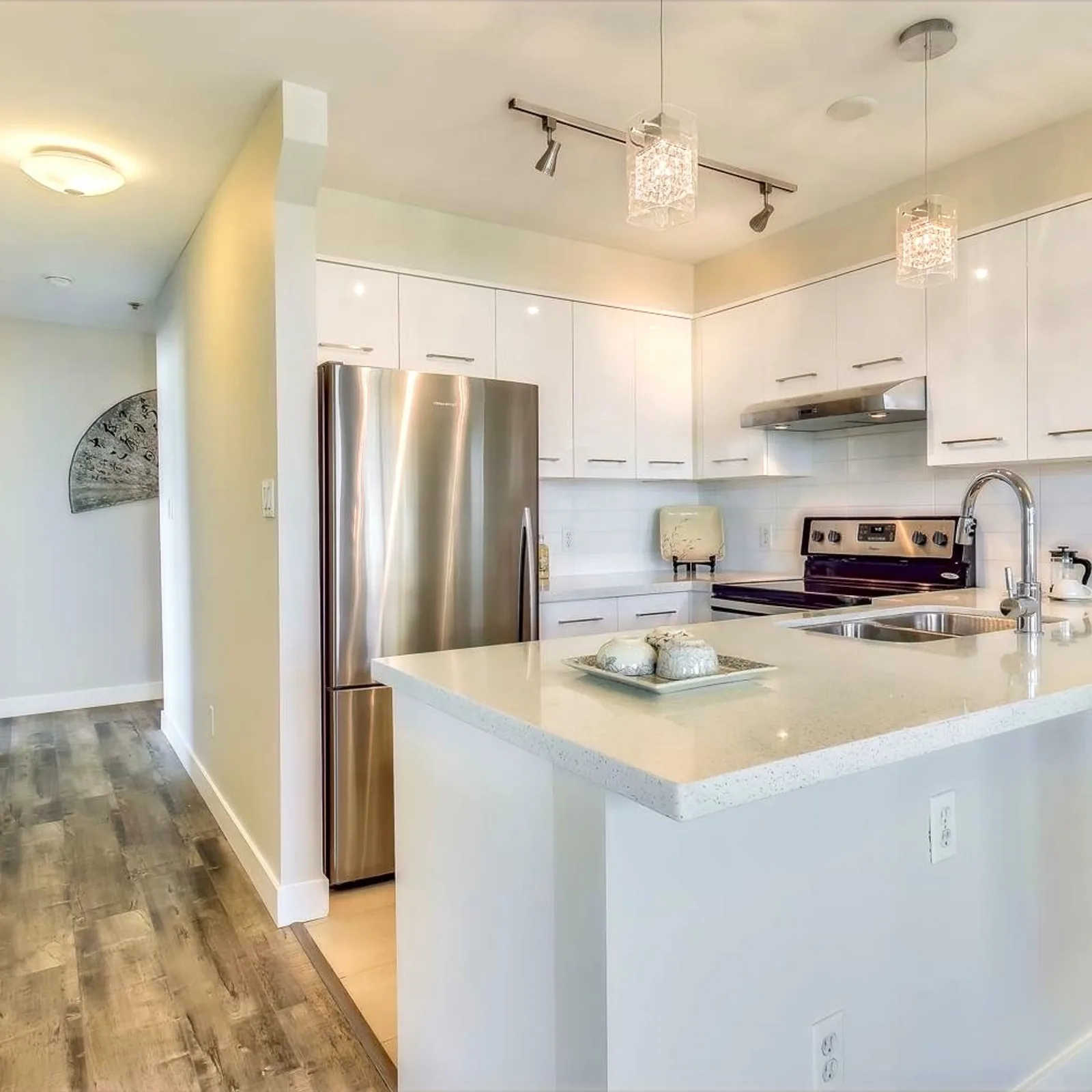
Every renovation and every new house makes a pile of waste. A kitchen job fills a bin with old cabinets, drywall, flooring and appliance boxes. A teardown and rebuild fills many. In Metro Vancouver, a large part of that pile is banned from the garbage, and a load that carries too much of it pays more at the scale. In this post, we walk you through which materials are banned, how the inspections and surcharges work, and how to plan the waste on your renovation or new home so it ends up in the right place.
Every rule below comes from Metro Vancouver's Disposal Ban Program Manual 2026 and its Tipping Fee and Solid Waste Disposal Regulation Bylaw No. 379, in the consolidation dated April 24, 2026, both read on November 4, 2026. The manual says the bylaw wins if the two ever disagree, and Metro Vancouver posts current rates on its own website.
Metro Vancouver runs the region's garbage and recycling system. Its manual says the bans keep recyclable materials, and materials that are hazardous or hard to handle, out of the landfill, the Waste-to-Energy Facility and the regional transfer stations. The first ban, on cardboard, started in 1997. Clean wood, food waste and foam packaging were added later. The manual says over 50 materials are now in the program.
The City of Vancouver runs two of the nine facilities in the region: the Vancouver Landfill at 5400 72nd Street in Delta, and the Vancouver South Transfer Station at 377 West Kent Avenue North. The manual says the City's ban rules are in its own Solid Waste By-law and are generally consistent with Metro Vancouver's, with some minor variations. For a project in Vancouver, ask your waste hauler which facility your bins go to.
The manual groups the banned materials into three lists. These are the ones a renovation or a new house is most likely to produce.
- Corrugated cardboard. Appliance boxes, cabinet boxes, flooring cartons.
- Clean wood. The bylaw defines it as solid wood, lumber or pallets with no glues or resins, unpainted, unstained and untreated. Nails and other metal fasteners are allowed. Framing offcuts and pallets fit this definition. Plywood and particle board contain glue, so they fall outside it.
- Expanded polystyrene packaging. The white foam that protects windows, appliances and fixtures.
- Containers of glass, metal and recyclable plastic, and recyclable paper.
- Food waste and yard trimmings. Lunch waste from the crew and the plants cleared from the yard.
- Gypsum. The bylaw's word for drywall, painted or wallpapered drywall included.
- Railroad ties and creosote-treated wood. Old landscape walls are sometimes built from these.
- Inert fill. Soil, sod, gravel, concrete and asphalt over 0.5 cubic metres per load.
- Wire, hosing, rope and cable over 1 metre long.
- Propane tanks, and liquids and sludge.
- Single objects over 100 kg, 2.5 metres long or 1.2 metres wide.
- Hazardous waste as BC's Hazardous Waste Regulation defines it.
These are products with a provincial take-back program:
- paint and paint containers,
- solvents and flammable liquids,
- electronic and electrical products, including metal household appliances,
- lead acid batteries, oil, antifreeze and tires.
An old range, dishwasher or fridge from a kitchen renovation is on this list. So is the half-empty paint can left in the basement.
The manual says loads at Metro Vancouver and City of Vancouver facilities are inspected by eye for banned materials. If a load has more than the bylaw allows, a surcharge is added to the tipping fee.
The thresholds are set out in the manual:
- Recyclables. Most have a 5 percent threshold, and all banned recyclables together may not pass 5 percent of a load. A load at 5 percent or more pays a surcharge of 50 percent of the tipping fee. Food waste has a 25 percent threshold. Foam packaging has a 20 percent threshold and a surcharge of 100 percent of the tipping fee.
- Hazardous, operational impact and stewardship items. No threshold. A single item in the load brings a fixed surcharge, and the customer may also pay clean-up costs.
On a renovation, appliance boxes and framing offcuts thrown into a mixed bin count toward that 5 percent. One paint can is enough for the fixed surcharge. These costs reach you through the hauler's invoice or the contractor's price, so planning ahead saves money.
Drywall is the material most renovations produce in the largest amount, and the bylaw treats it separately. Section 6.8 says no person shall dispose of gypsum at a solid waste facility, except gypsum weighing less than one half metric tonne, which may be dropped off at a designated recycling area.
The bylaw also splits drywall into two kinds:
- New gypsum: date stamped 1990 or newer, never installed, and free of tape, paint or drywall mud. Clean offcuts from a new house are in this group.
- Used gypsum: drywall with no date stamp, dated before 1990, or carrying tape, paint or mud. Drywall taken off finished walls carries tape, paint or mud, so it belongs to this group.
Old drywall, drywall mud and textured ceilings in an older Vancouver house can contain asbestos. Section 20.112 of BC's Occupational Health and Safety Regulation says that before demolition or renovation work begins, all employers responsible for the work and the owner must make sure a qualified person inspects the building and the site to identify hazardous materials, including asbestos-containing material and lead. Our post on the hazardous materials survey before a renovation explains who does the survey and when. Material that contains asbestos is removed and handled by qualified workers before the rest of the drywall goes to a bin. Order the survey before you order the bins.
The waste on a site changes from month to month. Matching the bins to the stage keeps each material in its own stream.
- Strip-Out or Demolition. Old cabinets, flooring, drywall, fixtures, appliances and the last of the paint cans. This is the stage with the most used gypsum and the most stewardship items, and it comes after the hazardous materials survey.
- Excavation. Soil, rock and old concrete from footings, paths and driveways. These fall under the 0.5 cubic metre limit for inert fill in a garbage load.
- Framing. Lumber offcuts, pallets and the plastic wrap on lumber packs. Clean offcuts and pallets meet the bylaw's definition of clean wood.
- Drywall. Offcuts of new board. If they are dated 1990 or newer and carry no tape, paint or mud, the bylaw counts them as new gypsum.
- Finishing. Cardboard and foam from cabinets, windows, doors, fixtures and appliances, plus leftover paint, caulking and adhesives.
Separate at the Source. Ask for separate bins or areas for clean wood, drywall, metal and cardboard. A crew that sorts as it works fills fewer mixed bins.
Plan the Stewardship Items. Old appliances, paint, batteries and electronics each have a take-back route. List them before demolition and arrange their pickup or drop-off.
Keep Paint Cans Out of the Bin. Leftover paint from the old house and from the new finishes goes back through the paint take-back program. One can in a mixed load triggers a surcharge.
Flatten and Bundle Cardboard. New cabinets, fixtures and appliances arrive in cardboard and foam. Plan a cardboard and foam pickup during the finishing stage, when most of it arrives.
Watch the Soil and Concrete. Excavation soil and broken concrete from an old driveway need their own disposal route. More than 0.5 cubic metres in a garbage load is banned.
Reuse Before Recycling. Cabinets, doors, fixtures and lighting in good condition from an older house can be donated or sold before demolition. That keeps them out of the waste count.
Ask the City About Demolition Rules. The City of Vancouver may set its own requirements for the waste from a house demolition. Its website refused our requests, so we do not describe them here. Ask the City before you apply for a demolition permit.
Costar's process page says the site is cleaned and outstanding issues are resolved before handover. Getting there starts at the first site meeting. On our renovation and new home projects, we plan where each kind of waste will go before the first wall comes down: the hazardous materials survey, the bins for each material, the pickup for appliances and paint, and a clear area for deliveries so packaging gets sorted on arrival.
If you are planning a renovation or a rebuild in Vancouver, we are happy to talk it through with you. Tell us about your project today. Book a consultation.
Related on this site: Kitchen renovation in Vancouver · Bathroom renovation in Vancouver · Custom home construction in Vancouver · Book a one-hour project consultation