
If you build a multiplex or add a legal suite in Vancouver, you may plan to rent one of the homes. The rent can help with the mortgage, and later the unit can become a home for a grown child or a grandparent. Once a tenant moves in, you are a landlord under BC law, and the law gives you a set list of duties.
In this post, we walk you through those duties in the order you meet them: the agreement, the deposit, the move-in inspection, repairs and access, rent increases, and the day you want the unit back for your own family. We also cover what changes when the unit is in a strata, and two vacancy taxes that apply in Vancouver. This is a plain summary of the law. For your own case, call the Residential Tenancy Branch or talk to a lawyer.
The building rules for a suite (fire separation, exits, ceiling height) are a separate topic. We cover them in our post on secondary suite requirements.
Does BC Tenancy Law Cover Your Suite or Unit?
The Residential Tenancy Act covers most homes rented to a tenant in BC. Section 4 lists the cases it leaves out. The one that matters most for a family home is section 4 (c): the Act does not apply when the tenant shares a bathroom or kitchen with the owner.
So if you rent a self-contained basement suite, a laneway home, or a separate unit in your multiplex, with its own kitchen and bathroom, the Act applies. Section 5 adds that a landlord and tenant cannot agree to avoid the Act. A clause in your lease that goes against the Act has no effect, even if the tenant signed it.
The Stages of a Tenancy
1. Written Agreement
Section 13 says every tenancy agreement must be in writing. It must include the standard terms from the Residential Tenancy Regulation, both legal names, the unit address, the rent, the day rent is due, what the rent includes, and any deposit. You give the tenant a copy within 21 days of signing.
The Residential Tenancy Branch offers its own tenancy agreement form, RTB-1, which already holds the standard terms. The Branch's page explains the choice between month-to-month and a fixed term. A fixed-term lease may require the tenant to move out at the end only in set cases. Section 13.1 of the Regulation allows it when the landlord, or a close family member, will live in the unit at the end of the term. Otherwise, the tenancy carries on month to month.
2. Deposits
Section 19 of the Act caps a security deposit at half of one month's rent. A pet damage deposit has the same cap. The Branch's deposits page gives the example of $1,500 rent and a security deposit of no more than $750. Section 20 allows one security deposit and one pet damage deposit per tenancy, whatever the number of pets.
The same page lists the deposit interest rate for 2026 as 0 percent. You pay interest at the rates the Branch sets for each year you held the deposit.
3. Move-In Inspection
This step decides whether you can claim against the deposit later. Section 23 says you and the tenant inspect the unit together on the day the tenant gets the keys, or on another day you agree on. You must offer at least two chances to do it. If the first time does not work, section 17 of the Regulation says you offer a second time by written notice on the Branch's form.
You fill in a condition inspection report, both of you sign it, and the tenant gets a copy within 7 days. The Branch offers form RTB-27 for this. Its page lists what to check: floors, window coverings, appliances, fixtures, outlets, plumbing, fans, smoke and carbon monoxide alarms, and outdoor spaces such as a patio or parking spot.
If you skip the inspection or the report, section 24 takes away your right to claim against the deposit for damage. Take photos and video during the walk-through as well.
4. Repairs and Access
Section 32 says you keep the unit in a state that meets the health, safety and housing standards set by law, and that is suitable to live in. The tenant keeps it clean and repairs damage they or their guests cause. Normal wear and tear is yours to fix.
Section 33 covers emergency repairs: major leaks, blocked pipes, the main heating system, broken locks, and the electrical system. You must post, or give the tenant in writing, the name and phone number of the person to call for an emergency. The Branch's repairs page explains that if the tenant calls that number twice and no one acts in a reasonable time, the tenant can have the work done and ask you to repay it.
When you need to enter, section 29 asks for written notice at least 24 hours and no more than 30 days ahead. The notice gives a reasonable purpose and a time between 8 a.m. and 9 p.m. You may inspect once a month this way. The Branch's access page adds that you may enter without notice in an emergency, to protect life or property.
5. Rent Increases
Section 42 allows one rent increase every 12 months, with at least 3 months of notice on the approved form. The Branch's rent increases page, last updated August 27, 2026, sets the 2026 limit at 2.3 percent and the 2027 limit at 2.2 percent. The form is RTB-7.
Two details are easy to miss. You cannot add last year's unused increase to this year's. And because of the 3-month notice, a notice you give in late 2026 will usually take effect in 2027, so check which year's limit applies. A tenant may agree in writing to a higher increase, but the tenant does not have to.
6. Move-Out Inspection and Deposit Return
Section 35 repeats the inspection at the end, with the same two chances. The tenant gets the report within 15 days. Then section 38 gives you 15 days, from the later of the move-out date and the day you receive the tenant's forwarding address in writing, to return the deposit with interest or to apply to the Branch to keep part of it. If you do neither, you must pay the tenant double the deposit. The Branch's moving out page lists the same steps.
Moving In Yourself or a Family Member
You may rent a suite or unit for a few years, then want it back for an aging parent or an adult child. Section 49 of the Act allows this when you are an individual landlord and you, or a close family member, intend in good faith to live in the unit. The Act defines a close family member as your parent, spouse or child, or the parent or child of your spouse.
Here is what the law asks:
- Notice period. Section 42.2 of the Regulation sets 3 months from the day the tenant receives the notice. The date must be the day before rent is due, and it cannot fall before the end of a fixed term.
- Dispute period. Section 42.3 gives the tenant 21 days to dispute the notice with the Branch.
- The web portal. Section 53.1 of the Act requires a notice made by the Branch's system. The Branch's types of evictions page says that for notices on or after June 18, 2025, you generate form RTB-32L through the Notice to End Tenancy web portal. The portal asks for your birthdate and that of the person moving in, and each notice carries its own Notice ID.
- One month's rent. Section 51 says the tenant receives the equal of one month's rent on or before the move-out date. Section 51 (1.1) lets the tenant take it by not paying that amount of the last month's rent.
- The 12-month rule. You, or the family member named, must start living in the unit within a reasonable time and stay at least 12 months. If not, section 51 says you owe the tenant 12 times the monthly rent.
- Larger rental buildings. Section 49 (6.1) blocks this notice in a building with 5 or more rental units that is not strata titled, or that is strata titled with every rental unit owned by the same owner. For a six-unit multiplex that you keep whole and rent out, this rule can apply. Ask a lawyer before you plan around it.
Our advice is to plan early. If you already know that your mother will move into the ground floor home in two years, a fixed-term lease with a move-out clause under section 13.1 of the Regulation may suit you better than a month-to-month tenancy.
Renting a Unit in a Multiplex Strata
When a multiplex is stratified, each unit is its own strata lot, and an owner who rents it is a landlord under both the tenancy law and the Strata Property Act.
Section 141 of the Strata Property Act says a strata corporation must not screen tenants, set screening rules, require approval of tenants, require terms in tenancy agreements, or otherwise restrict renting a strata lot. The sections that once allowed rental bylaws, 142 to 145, were repealed in 2022. The Province's strata short-term rental page states that as of November 24, 2022, a strata may not have a bylaw that restricts or bans long-term rentals. The same page says a strata can still limit or ban short-term rentals by a 3/4 vote, with fines up to $1,000 a day.
Section 146 gives the owner two tasks. Before the tenant moves in, you give them the current bylaws and rules and a Notice of Tenant's Responsibilities on the prescribed form. Within 2 weeks of renting, you give the strata a copy of that notice signed by the tenant. If you miss either step, the tenant may end the tenancy within 90 days of finding out, and you pay their reasonable moving costs, up to one month's rent.
A small strata has few owners to share the work of running it. Louis Nguyen, our Director of Sales, described Costar's own approach to REW in its December 2025 guide: "In our case, we actually hire and engage with a property management company before the first homeowners move into the property." Our post on strata bylaws and reserve funds for a small multiplex covers the strata side in full.
Vacancy Taxes in Vancouver
Two taxes look at whether homes in Vancouver are lived in. A rented suite or unit can count toward an exemption from both, but each needs its own yearly declaration.
The BC Speculation and Vacancy Tax
The City of Vancouver is on the Province's list of taxable areas. The 2026 rates are 1 percent of assessed value for Canadian citizens and permanent residents who are not untaxed worldwide earners, and 3 percent for foreign owners and untaxed worldwide earners. "Untaxed worldwide earner" is a tax category the Province defines on its own pages, so check it there if your family earns income outside Canada. The Province's main tax page says owners in a taxable area declare every year by March 31.
The Province's tenancy requirements page says a tenancy exemption needs tenants in the home for at least six months of the year, in rentals of at least one month each. An unrelated tenant needs a written tenancy agreement under the Residential Tenancy Act. The page also says the whole property is exempt if one or more homes on it are rented, and gives a basement suite as an example.
The Vancouver Empty Homes Tax
The City's Empty Homes Tax page, which we read through an Internet Archive copy of September 10, 2026, says every Vancouver homeowner declares each year. For the 2025 reference year (the calendar year the City looks at, January 1 to December 31, 2025), an empty property paid 3 percent of its 2025 assessed taxable value, and the declaration was due February 3, 2026. The City's evidence and exemptions page, read through an archive copy of January 10, 2026, says the tax does not apply to a home rented for residential use for at least 6 months of the year, in periods of 30 or more days in a row. Keep your signed tenancy agreements and rent records as proof.
Practical Tips for New Landlords
Use the Branch's Forms
The RTB-1 agreement, the RTB-27 inspection report and the RTB-7 rent increase notice already hold the terms and fields the law asks for. Using them means one less thing to check.
Photograph the Unit on Day One
Photos and the signed report from move-in day are your record of how the unit looked. You rely on them if there is ever a damage claim.
Put Every Notice in Writing
Entry notices, repair requests, rent increases and move-out dates all work best on paper or by the email address the tenant gave for notices. Keep a copy of each one.
Plan Your Family's Move Before You Sign a Lease
If a family member will need the unit, decide the lease type now. Changing your plan later means the 3-month notice, the portal, and the 12-month rule.
Call the Branch, Then a Lawyer
The Residential Tenancy Branch answers questions from landlords and tenants. For a strata, a large rental building, or a notice you expect the tenant to dispute, have a lawyer read your documents first.
How Our Team Helps Before the First Tenant
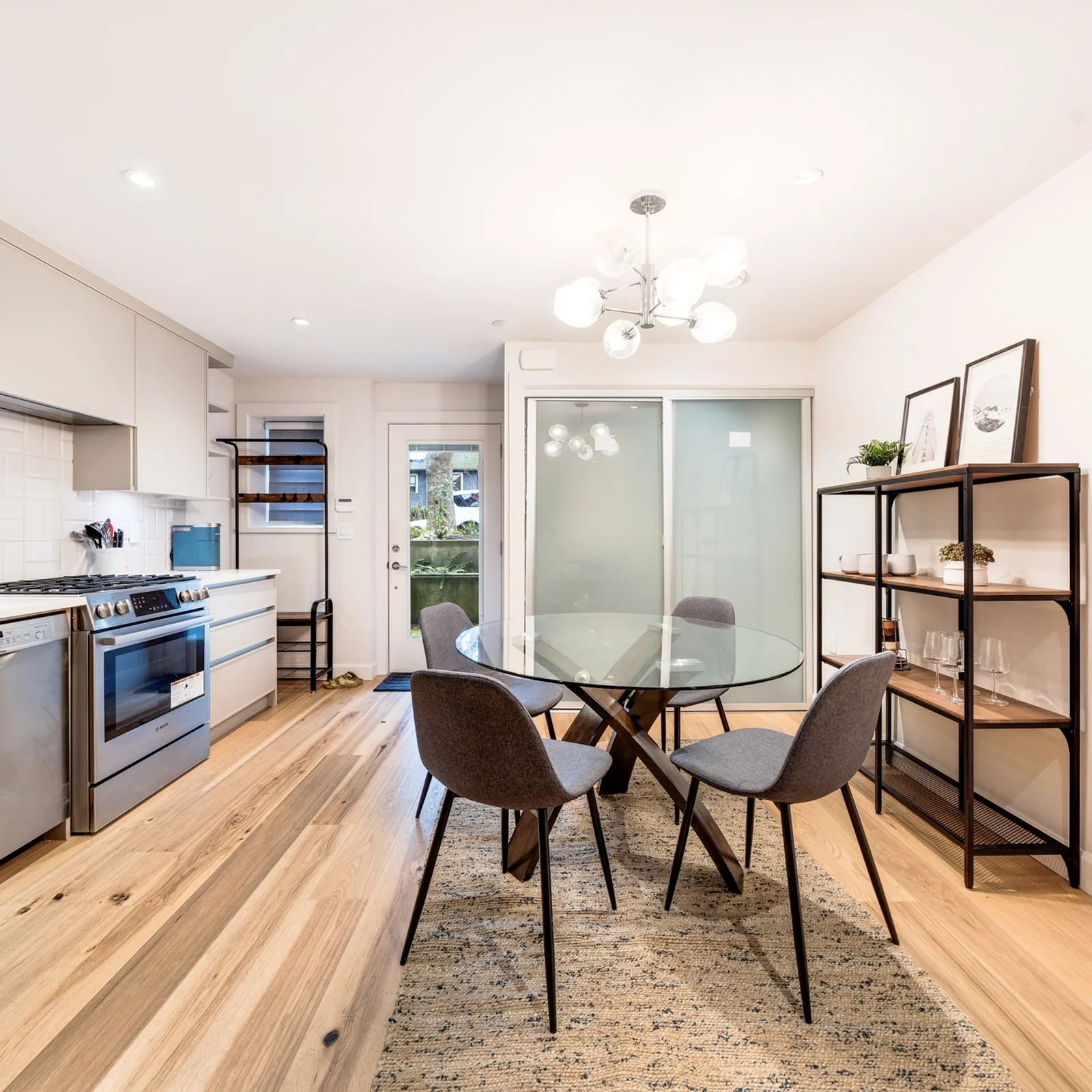
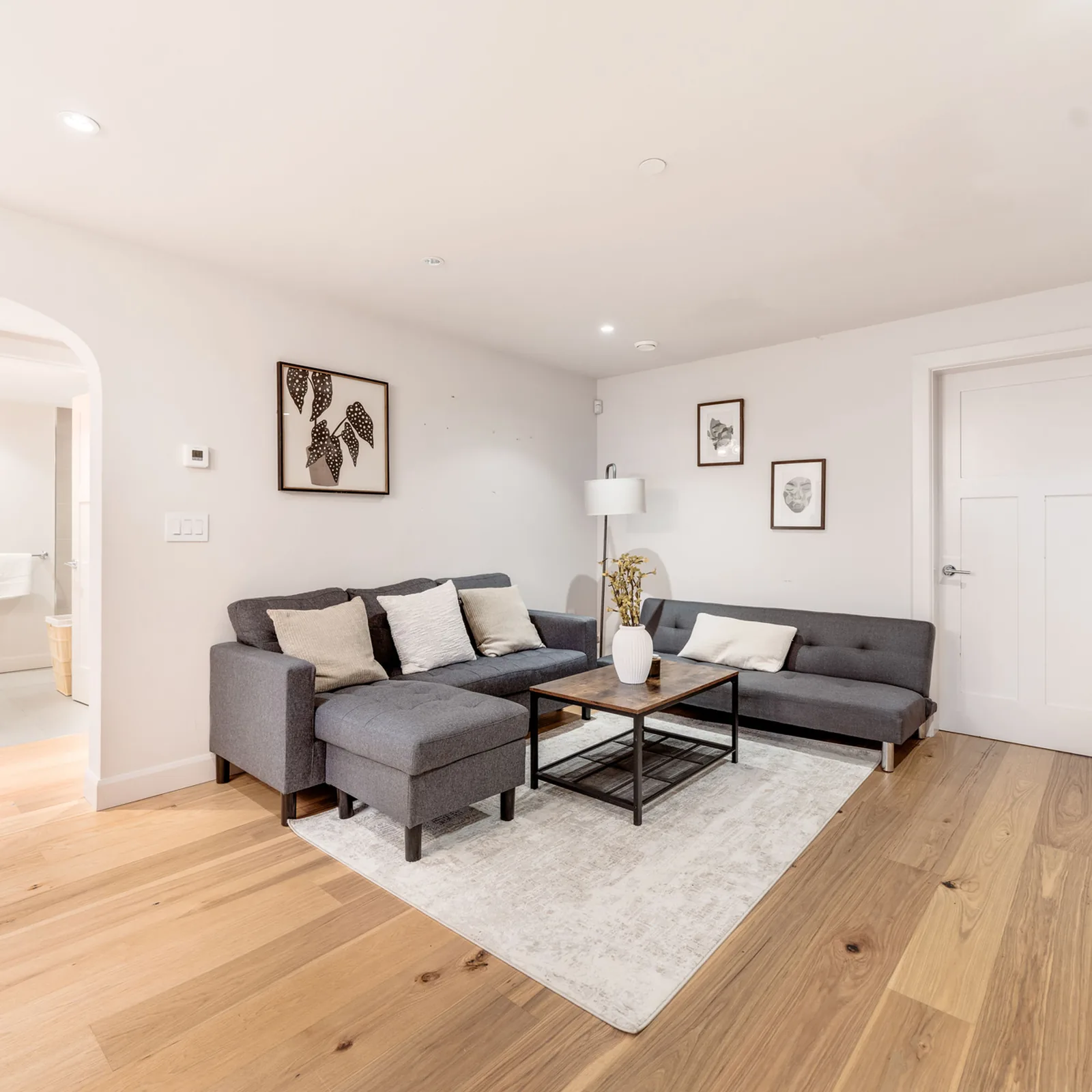
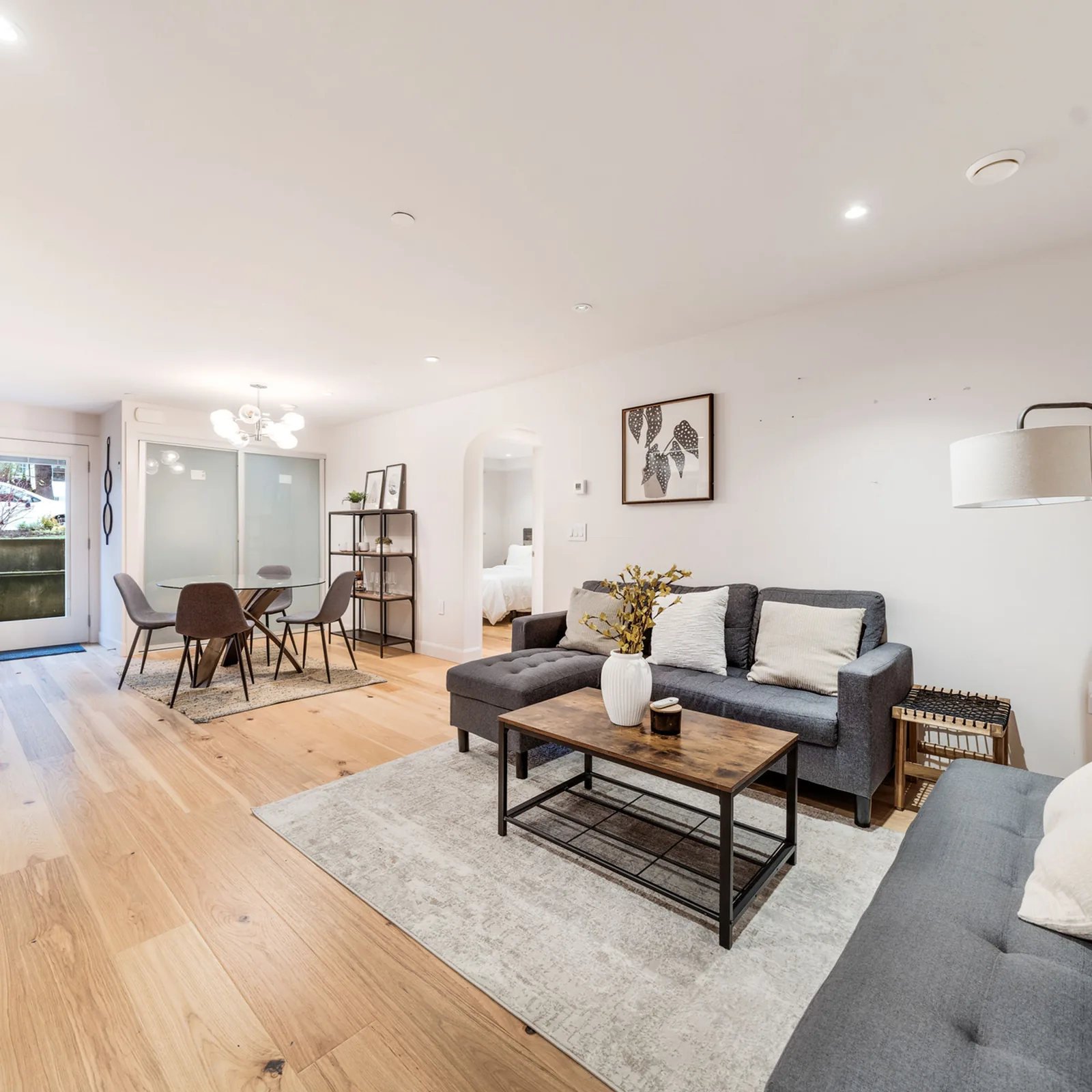
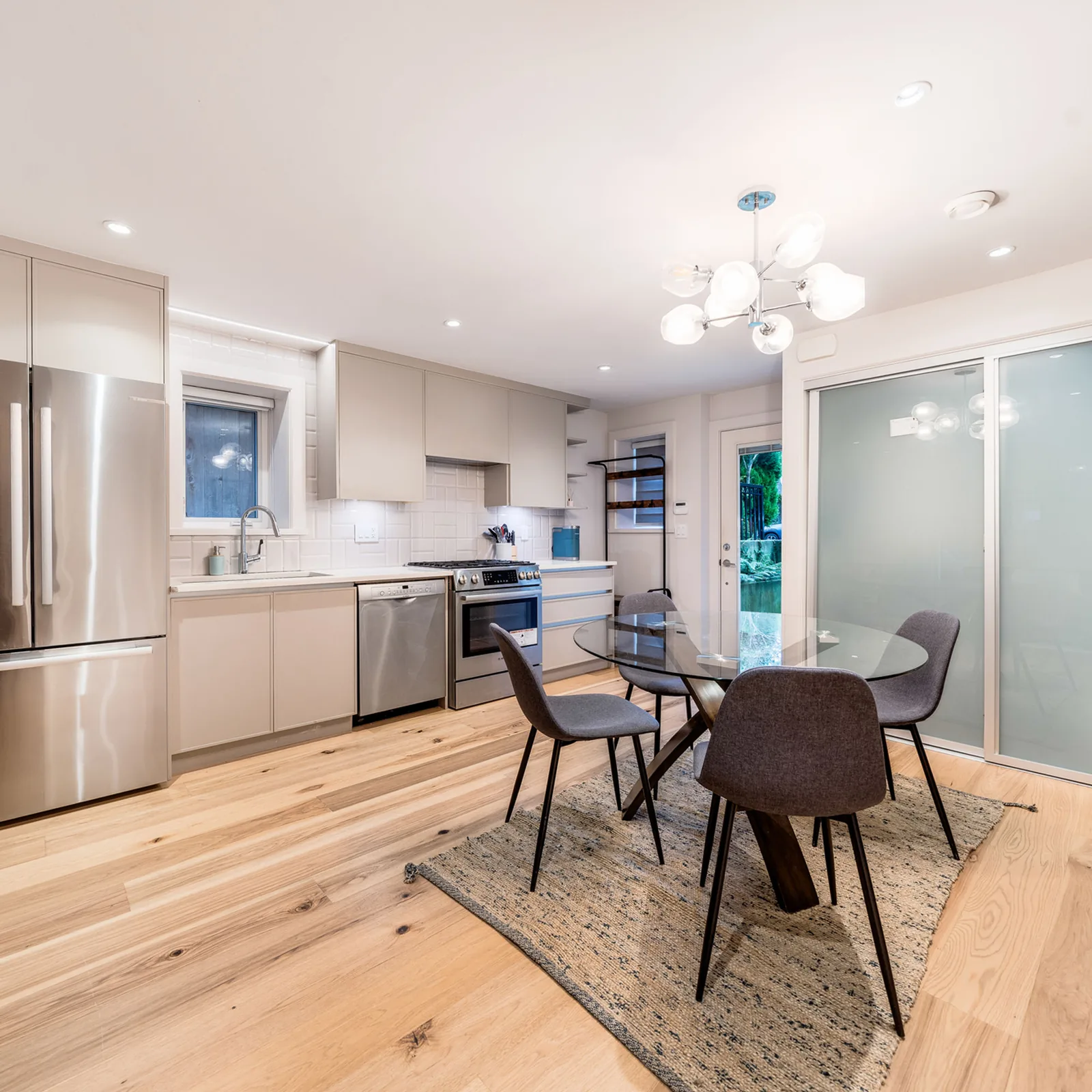
We build the homes that families rent. Costar's project gallery lists the Kitsilano Custom Legal Suite on West 10th Avenue, carried through permit application and new build. The photo at the top of this post is from that suite.
At handover, by Costar's own account on our process page, the client gets a joint pre-occupancy inspection and a project binder with manuals and trade contacts. That binder helps with your first move-in inspection and with the emergency contact list section 33 asks for. If you are still choosing what to build, our comparison of multiplex, laneway home and legal suite in Vancouver compares the three options.
If a rental home is part of your family's plan, bring that plan to us early, and we will design the unit with the tenant and your family in mind. Tell us about your project today.
Related on this site: Laneway homes and legal suites · Multiplex construction in Vancouver · Building in Vancouver · Book a one-hour project consultation